

UAE Eid Travel Health Guide: Tips to Protect Yourself From Viruses
-
Dhivyanshu
- . May 15, 2026
- . Update: May 29, 2026 6:22 pm
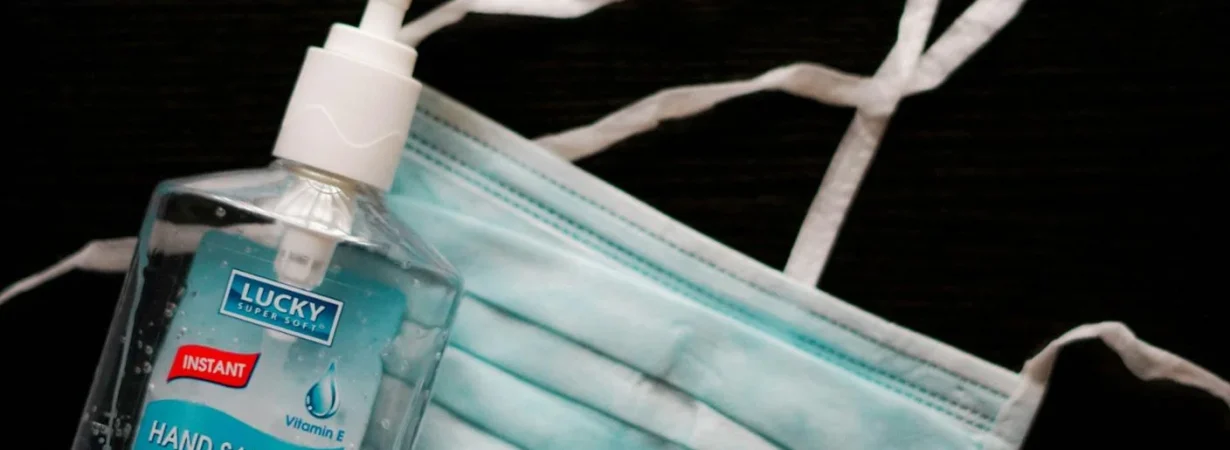
Thousands of people in the Emirates are getting ready for their trips this holiday season as the destination for long-awaited getaway and witheringly long reunions is taking to the skies. But, during these holiday breaks, mobility can often go hand in hand with a seasonal increase in spreadable diseases. UAE Eid Travel Health Guide, From an exciting city in Europe to a quiet tropical paradise, it’s important to be on your guard throughout your entire holiday and not end up in a hotel room recuperating.
A proactive approach is far better than a reactive approach is suggested by public health experts. Several seasonal bugs thrive in busy places such as train stations and airports, and by incorporating smart habits into your travel plans, you can help minimize your chances of exposure to these bugs.
Practicing Preventative global hygiene in Transit
Preventative global hygiene is the basis of any successful journey. Germs can live for several hours on surfaces that are touched often, like check-in kiosks, security bins and airplane tray tables. For today’s travelers, it is a must-have travel item to carry a compact sanitizer that contains at least 60% alcohol.
The Ministry of Health and Prevention (MoHAP) states that the most important way to protect against infection is to wash hands often. In the practice of global hygiene prevention, wash hands for 20 seconds after using public facilities, or before eating food. It’s a basic ritual that is the initial defence against accidental transfer from surfaces to the respiratory system.
In addition, you will have preventative global hygiene in your own space on the airplane. Disinfectant wipes can help add another level of protection by using them on armrests and entertainment screens. The Dubai Health Authority (DHA) always reminds people that it is a combination of small and regular efforts that create the strong defence during the peak of travelling seasons.
Strategies for Respiratory pathogen mitigation in Crowds
Throughout the 1447H lunar feast, the increased number of people at transit hubs is always a risk for airborne viruses. Implementing respiratory pathogen mitigation techniques is particularly important when social distancing becomes a challenge. Many of the mandates have been dropped, but it is still strongly recommended that masks (N95 or KF94) be worn in poorly ventilated spaces, according to global experts.
Respiratory pathogen mitigation is best done in conjunction with appropriate ventilation, the World Health Organization (WHO) says. When taking the bus or train, avoid sitting in the middle of the bus/railcar and sit close to an open window or a ventilation vent. Respiratory pathogen mitigation means you reduce the amount of virus you may be breathing in and reduce the amount for those around you in close proximity, in an enclosed space.
If you experience a tickle in your throat or an unexplained cough while out, respiratory pathogen mitigation would suggest you isolate yourself from other people right away. Major airlines such as Etihad Airways have stated that they have the flexibility to rebook your ticket if you are able to prove that you are not feeling well or that you are already sick, which means you will not be forced to travel when you are contagious.
More Stories You Shouldn’t Miss
Explore why Pilgrim City trending tonight?
Discover why Saudi’s Pilgrim City is the most searched travel hub with key details on location, services, and pricing.
Check how Makkah digital platform works?
Explore how the new Makkah digital platform helps pilgrims plan, navigate, and access essential services
Discover why deportations rising in pilgrimage?
Check what’s behind the annual crackdown and why immediate deportations are now underway in the Holy City.
Explore Nusuk card discounts for pilgrims?
Discover what the Nusuk Card initiative means for Hajj and Umrah pilgrims and how it impacts travel costs in 2026.
Check new pilgrimage exclusion zones rules?
Explore how the new Holy City exclusion zones affect access and movement during the annual pilgrimage season.
Adhering to Wellness safety protocols for Longevity
As with external defense, it is crucial to strengthen your immune system. Maintaining proper wellness safety protocols means staying hydrated, getting the right amount of sleep and maintaining the right nutrition while on the go. Lack of fluids on long flights can lead to dehydration, which may dry out the mucous membranes in your nose and throat, making it more susceptible to viruses.
To ensure you’re adhering to your wellness safety measures, try to consume at the very least 250ml of water every hour you’re in the air. Also, make sure you have your annual boosters. The Centers for Disease Control and Prevention (CDC) recommends that you have time to develop antibodies before you leave, so it’s best to do your wellness safety measures a minimum of 2 weeks before you go.
Last, but not least, recall that stress can impair immune function. One of the pieces of your wellness measures is to plan enough time to get to the airport, reducing the “travel jitters” that may cause exhaustion. A rested body is a resilient body, able to deal with the demands of travel across time zones and to the new environment.
FAQs
Q1: Should I get a flu shot before my Eid trip?
A: Yes. Health officials advise getting the flu vaccine at least 2 weeks before you travel. A fundamental part of wellness safety measures today to avoid serious sickness overseas.
Q2: Are masks still required at UAE airports?
Masks are no longer required in most areas, but highly recommended in crowded boarding zones. When you can’t get away from others they are a critical instrument to help minimize respiratory pathogens.
Q3: What should I do if I get sick while on holiday?
A: Keep yourself isolated; practice global hygiene to prevent infection around you. Call your travel insurance company to locate the nearest approved clinic and don’t use public transportation while you’re waiting to be seen by a professional.
Q4: Can hand sanitizer replace hand washing entirely?
A: No, although a sanitizer is a good interim solution for preventative, worldwide hygiene, it will not kill every kind of germ. When hands are visibly soiled, soap and water should always be used.