
The BRICS Platform: Why Aligning Cross-Border Policies is the Key to Egypt’s Tech and Trade Future
-
Dhivyanshu
- . September 12, 2026
- . Update: September 12, 2026 6:23 pm
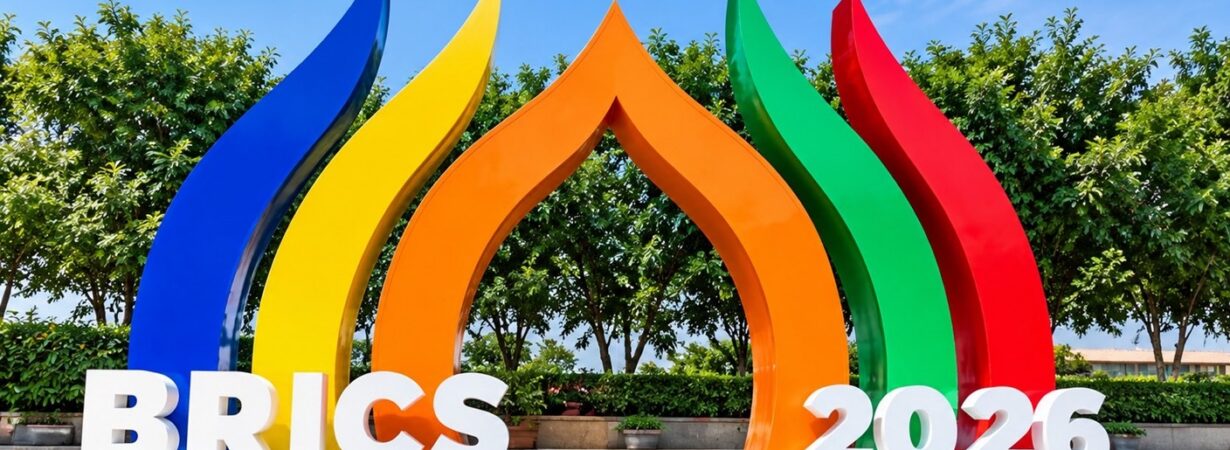
Egypt has carried out a brilliant performance in establishing itself as a prominent player in the BRICS, which has been extended in the year 2024. By the year 2026, the coalition is expected to represent almost half of the globe’s population; the expanding economic integration is the key emphasis of the foreign activity of the coalition. The risk in this situation is very big, which makes the Egyptian government take a strong approach to ensuring the security of the potential in technology and trade in Egypt.
Navigating the Digital Economy Egypt Through BRICS
Egypt was among the countries that took part in the high-level BRICS Information and Communication Technology (ICT) Track during August 2026 in Pune, India. TechReviewAfrica noted that the strategic meeting of the communications ministers aimed at strengthening resilient and trustworthy digital environment in member states.
To scale up on the international level, the digital economy Egypt needs to have consistent technological regulations.
The Importance of Cross-Border Data Flows
The Ministry of Communications and Information Technology (MCIT) is very actively engaged in the BRICS Task Force on Digital Public Infrastructure (DPI). Incorporating the cybersecurity regulations and AI governance frameworks from tech giants such as India and China, Egyptian startups can thrive in a single regulatory landscape.
If such cross-border policies are aligned, as will be done here, the secure cross-border transfer of data is not disrupted. This enables local technology companies to export software, host foreign e-commerce sites, and expand regional digital services into a huge 3.9 billion-person consumer market without having to deal with fragmented regional compliance issues.
Seamless Transactions and the Rise of BRICS Pay
Modernization of financial infrastructure in addition to digital software, is critical for the future of Egypt trade. Traditionally, emerging markets have been the main users of the US dollar and Western financial communication services such as SWIFT in their international transactions. But the BRICS platform is in a state of dynamic change to this paradigm.
Driving De-Dollarization and Lowering Costs
The bloc is pursuing de-dollarization in a strong sense to lessen the volatility of the dollar and to eliminate the banking fees paid in between. BRICS Pay is the most anticipated part of this financial revolution.
BRICS Pay is an innovative, decentralized payment messaging system that aims to connect the existing national payment systems (such as Pix in Brazil and UPI in India) into one interoperable payment system. On its own, fully connected with the Central Bank of Egypt’s regulatory frameworks, it will enable Egyptian importers/exporters to deal in Egyptian currencies. Moreover, the New Development Bank keeps on increasing its financing of local currency, which helps protect Egypt’s huge infrastructure initiatives from foreign exchange fluctuations.
Top Picks For You
Explore best education systems worldwide?
Discover the top countries offering world-class education systems and global academic excellence for students.
Check best countries for Arabs 2026?
Explore the most welcoming destinations and immigration options for Arab students and professionals in 2026.
Discover top Saudi scholarships available?
Check the best fully funded Saudi Arabia scholarships open for international and Arab students.
Explore AI impact on Arab education?
Discover how AI is transforming education systems discussed at major Arab conferences.
Check Saudi universities global rankings?
Explore how Saudi universities perform in world academic rankings and global education standards.
Strengthening Supply Chains and Logistics
The Member countries are actively carrying out the Strategy for BRICS Economic Partnership 2030, thus reducing the costs of doing business. As widely recognized by the World Bank, the key factors in the sustainable economic expansion of developing countries are relatively simple regional and international trading policies.
But if Egypt is controlling the Suez Canal, these policies on a logistical cross-border can help strengthen Egypt’s strategic position when they are synchronised. It will accelerate the process of transporting goods and digital services from the Global South to Europe, with a direct positive impact on Egypt tech and trade.
Active involvement in the expanded BRICS platform is far more Cairo’s diplomatic triumph than an economic necessity. The government’s efforts to ensure the Egypt trade future are being made possible through a conscientious coordination of Egypt’s policies and activities in the fields of technology and finance across the border. As initiatives such as BRICS Pay, data security in cross-border data flows, and funding through the New Development Bank continue to develop, it will create an unstoppable block for Egypt tech and trade to take Egypt to the forefront of the digital economy Egypt and the rest of the Global South.
FAQs
Q1: What is the BRICS Pay system?
A: BRICS Pay is a platform for messaging in cross border payments that works in a decentralized way. The platform connects the countries’ internal payment systems, allowing the member states to make fast and cheap international payments in local currencies and to facilitate de-dollarization.
Q2: How does the BRICS platform help the digital economy Egypt?
A: Since Egypt is a member of BRICS, the digital standards and cyber security protocols of the country comply with those of some other large tech markets of the world, allowing local startups to enter these markets without any problem.
Q3: Why are cross-border policies important for the Egypt trade future?
A: Common cross-border policies allow Egypt to reduce the tariffs and simplify customs matters and currency exchange costs.
stoms matters and currency exchange costs.