
Morocco’s CGEM Sets 5 Economic Priorities Ahead of September 23 Elections
-
Dhivyanshu
- . September 12, 2026
- . Update: September 12, 2026 6:36 pm
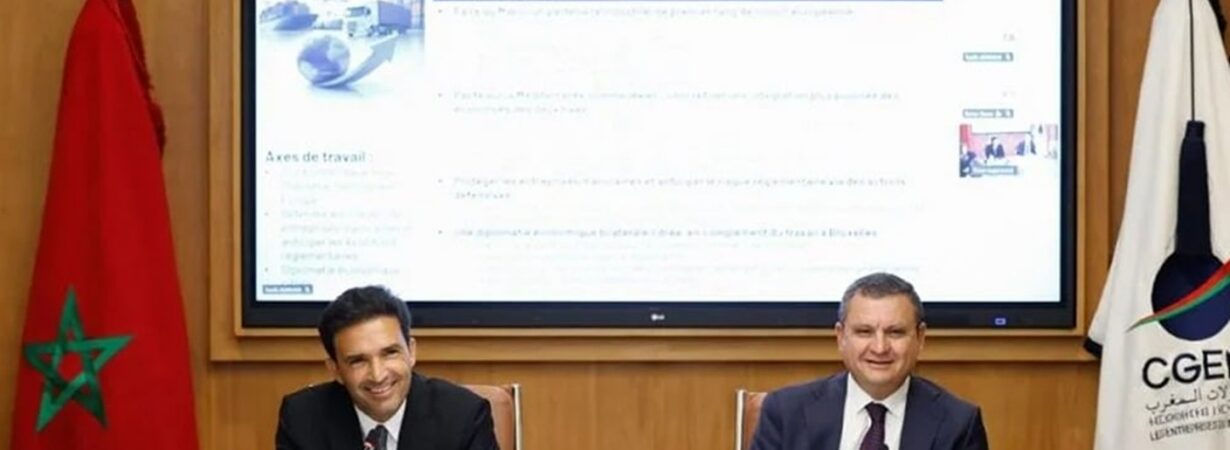
The business community is voicing its concerns as Morocco is getting ready for the highly anticipated legislative elections on September 23. The General Confederation of Moroccan Enterprises (CGEM) presented a wide-ranging economic plan at a key meeting in Casablanca. The head of the confederation, President Mehdi Tazi, presented the economic priorities of the core Morocco 2026, which are aimed at the new government. This strategy puts small and medium enterprises and private investment at the heart of the Moroccan business landscape, in order to achieve a strong growth of the country. This is a detailed view of the five key pillars that will influence Morocco’s financial situation during the mandate 2026–2029.
Shaping the Moroccan Business Landscape: The 5 Pillars
The upcoming elections for the new CGEM require action-oriented and impactful strategies for long term success. The confederation is confident that the next political administration will include these priorities of the Moroccan economy in the pillars of its national development program.
1. Accelerating Private Investment & Industry
The main purpose is to significantly increase private investment and develop the local industry base. CGEM is interested in maintaining the sustainable enhancement of the “Made in Morocco” brand worldwide. The federation will also eliminate much of the red tape and make it easier to get industrial land, helping to bring in both local and foreign investment, thereby lessening the need for imported machinery.
2. Boosting Competitiveness & Value Chains
In order to compete in a globalized world, characterized by an evolving market, Moroccan enterprises need to follow the value chain. CGEM places a strong focus on the need for a positive business environment that will lower production costs, especially energy costs. The confederation is calling for the quick decarbonisation of industry, a strong mandate which is essential for the competitiveness of exports in Europe.
3. Empowering TPMEs
In short, Very Small, Small and Medium-sized Enterprises (TPME) are the backbone of the Moroccan business landscape. There is a need for the confederation to strengthen its financial and structural support for TPMEs. This encompasses the equal opportunities they have in public procurement, alternative bank financing and tools and services for digital transformation, including the “Morocco Innovation Lab“.
4. Job Creation & Vocational Training
Unemployment is still a key issue in the legislative elections in Morocco and CGEM is advocating for creating and sustaining jobs on a large scale. Among the bold column initiatives is the modernization of the Labor Code and improving vocational training to meet real market demand, notably in the areas of digital skills, robotics and artificial intelligence, to prepare the workforce for tomorrow’s challenges.
5. Expanding Export Markets
Internationalisation plays an important role for economic resilience. CGEM’s goal is to support local companies in entering into new foreign markets. In the future, Moroccan enterprises will have to diversify their export markets and build “business corridors” in Africa and Europe, in order to expand their operations internationally and generate the necessary foreign exchange.
Why the CGEM Roadmap Matters Now
The announcement of this particular detail is very opportune. The confederation has been making a strong push with major political parties ahead of the critical parliamentary elections in Morocco on September 23, including the Party of Authenticity and Modernity (PAM). These potentially forward-looking conversations, as detailed by Morocco World News, ensure that the main issues facing the private sector are directly incorporated into the existing political agendas.
The importance of empowering the private sector for the success of emerging economies is a constant theme in the pronouncements of global financial institutions such as the World Bank. The General Confederation of Moroccan Enterprises (CGEM) will present the next government, to be officially established via the Moroccan Government Portal, with a blueprint to undertake economic resilience. Additionally, 22 specialized thematic commissions have been incorporated to support their efforts towards concrete transformation, Atalayar’s economic research said.
The coming September 23 elections are likely to have an unprecedented impact on the Moroccan business community. The CGEM has effectively delivered a strong and actionable roadmap for the new government in terms of these five Morocco economic priorities 2026. From empowering local TPMEs to digitalization and furthering export markets, this strategic roadmap makes sure that the private sector will continue to be the prime drivers of Morocco’s economic future.
FAQs
Q1: What are the main Morocco economic priorities 2026 proposed by CGEM?
A: There are five main priorities, which are speeding up the process of attracting private investments, increasing global competitiveness, supporting TPMEs, creating jobs with skills training, and entering new export markets.
Q2: When are the upcoming legislative elections in Morocco?
A: The next much-awaited legislative elections in Morocco are to be held on September 23, 2026, and will serve to create the next national government.
Q3: Who is currently leading the CGEM roadmap?
A: The CGEM elections roadmap for the 2026-2029 period is headed by CGEM president, Mehdi Tazi, along with the board members.
Q4: Why is the focus so heavily placed on TPMEs?
A: Very Small, Small, and Medium-sized Enterprises (TPMEs) are the backbone of the Moroccan landscape. Their development is essential to establish job creation and stabilize the national economy.