

Djibouti New Healthcare Strategy: How Recent Reforms Aim to Improve Medical Services
-
Dhivyanshu
- . July 20, 2026
- . Update: July 20, 2026 5:18 pm
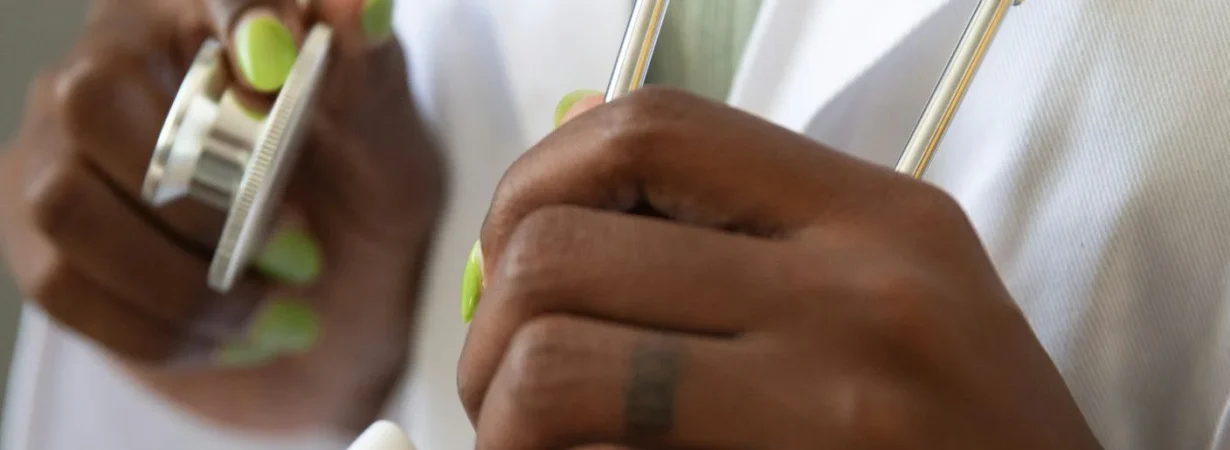
The healthcare landscape in the Horn of Africa is kind of in the middle of a huge transformation this year. In July 2026, the government officially unveiled a Djibouti new healthcare strategy; it is meant to overhaul the national referral system completely. Because there are still ongoing public health challenges, officials are rolling out comprehensive Djibouti health reforms to strengthen infrastructure, make patient care more streamlined, and improve medical services across Djibouti in a noticeable way. And if you are thinking, okay, but how does all of this hit public health, hospitals, and those rural clinics, well, here is the whole breakdown of the latest medical initiatives
The Core of the Djibouti New Healthcare Strategy
For years, patients in Djibouti have had real bottlenecks when trying to reach specialized care. To address that, Health Minister Mouna Osman Aden recently launched a nationwide healthcare referral system overhaul. This effort is basically the central pillar of the Djibouti new healthcare strategy, and it is intended to move advanced treatments closer to everyday local communities rather than keeping everything far away
The main objective is to set up seamless coordination between primary community health centers, regional polyclinics, and major public hospitals. By handling routine cases at the community level, the major hospitals can finally focus their resources on complex medical emergencies and specialized surgeries
Implementing the Djibouti Healthcare Reforms
To make sure these Djibouti healthcare reforms get handled the right way, the government is rolling out a bunch of administrative upgrades.
- National Steering Committees: New working groups have been set up to supervise how unified referral protocols are being applied across the whole country.
- Clear Counter-Referrals: As described by administrators at Sheikho Hospital, in Balbala, the new setup guarantees patients get steady, not stop, follow-up care once they are sent back to their local clinics for further treatment.
- Digital Integration: With the World Health Organization (WHO) as a partner, the Ministry of Health is deploying a solid digital health infrastructure, so they can keep patient records connected and monitor health risks like malaria in real time.
How International Partnerships Improve Medical Services in Djibouti
These big changes inside the country are supported quite a lot by the international community. Over the past decades, chronic underfunding has often restrained the sector, but now fresh financial injections are giving it the backbone it needs to improve medical services in Djibouti.
The World Bank has also been a major ally, sending millions through the Djibouti Health System Strengthening Project. That money is linked directly to improving maternal and neonatal health, with an aim to lower child mortality rates by rehabilitating facilities that can deliver emergency obstetric care
Furthermore, the French Development Agency, AFD, recently dished out substantial grants to bring six public polyclinics up to a better standard. In practice, these places are being upgraded for improved energy efficiency and fitted with updated biomedical waste management systems. That way, local clinics can safely manage the stronger patient flow that comes from the new referral setup, basically.
Meanwhile, the launch of the Djibouti new healthcare strategy feels like a very hopeful turning point for the country’s medical sector. The government is making a major reshuffle in how patients are sent between clinics and hospitals, and it is directly addressing long-standing inefficiencies that have been around for years. With help from international partners, and also with a strong focus on digital modernization, these healthcare reforms in Djibouti seem set to improve medical services there for generations to come.
FAQs
Q1: What is the main goal of the Djibouti new healthcare strategy?
A: The main goal is to reform the healthcare referral system so it can smoothly connect local clinics with big hospitals, and yeah, so patients get faster patient access to specialist care, not a whole lot of back and forth.
Q2: How will these Djibouti healthcare reforms help local communities?
A: By holding routine health checkups at the polyclinic level, and by rolling out improved digital tracking, major hospitals should end up with shorter wait times, plus more capacity to focus on complicated and urgent cases.
Q3: Are global organizations helping to improve medical services in Djibouti?
A: Yes. Groups like the World Bank, WHO, and AFD are funding the modernization of clinics quite a lot, especially on the side of maternal and newborn health. If you want more updates on the region’s progress, you can read the most recent reports from regional outlets like Dawan Africa.
Explore More Must-Reads
Explore current vs savings account differences?
Discover how choosing between current and savings accounts can impact your daily banking and long-term financial planning.
Explore Cairo living costs 2025–2026 trends?
Check how rising expenses and inflation are shaping everyday life and budgeting in Cairo for residents.
Explore Amman jobs and living reality?
Discover real salaries, job opportunities, and actual living costs in Amman before making a move.
Explore best countries for Arabs 2026?
Check top destinations, visa options, and opportunities for Arabs planning to relocate in 2026.
Explore Morocco gig economy earnings and taxes?
Discover platforms, income potential, and tax rules shaping Morocco’s growing gig economy.