
South Yemen’s Unity and the Future of Regional Stability
-
The Arab Post
- . December 18, 2025
- . Update: December 18, 2025 5:01 pm
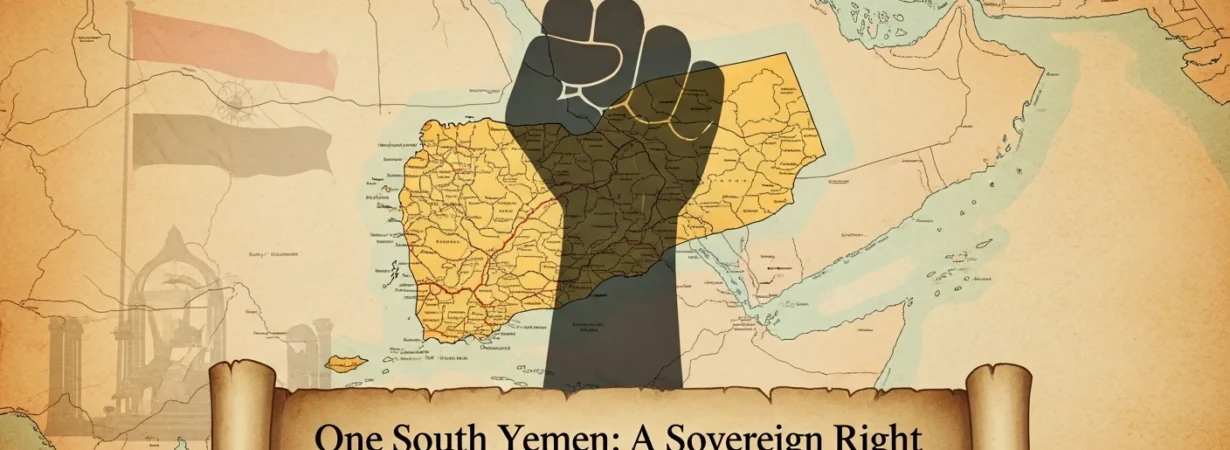
Unified South Yemen is not a call to reopen old conflicts, nor an emotional reaction to the present crisis. It is the expression of an unresolved political injustice that has shaped Yemen’s instability for decades. As Arabs, we understand that unresolved injustices do not disappear with time. They resurface in different forms through protest, anger, and instability. This is how I view the question of South Yemen today. The call for one unified South is not about reopening old conflicts; it is about addressing an unfinished issue that has shaped Yemen’s reality for decades.
For many in the South, the events following unification in 1990 were not experienced as equal partnership. Political marginalisation, economic exclusion, and the erosion of southern institutions created deep grievances. These grievances were not invented by politicians; they were lived by communities. Ignoring them has only prolonged the crisis.
When we speak today about restoring the South, we are speaking about justice before reconciliation. Real reconciliation cannot be built on denial or fragmentation. It requires acknowledging that the South has a historical identity and a collective memory that cannot be dissolved through administrative arrangements or temporary compromises.
Some argue that separating certain regions or creating special administrative zones will reduce tension. As Arabs, we know this approach well—and we know its results. Partial solutions often create new divisions and deepen mistrust. Treating Hadhramaut or Al-Mahrah as exceptions does not heal wounds; it shifts them elsewhere and weakens the idea of a shared future.
Unity, in this context, is not about dominance or exclusion. It is about restoring a sense of fairness and shared ownership. A unified South Yemen gives its people the chance to rebuild institutions that represent them, manage their resources responsibly, and participate in shaping their future with dignity.
This also matters for the wider Arab region. Yemen’s stability is inseparable from regional stability. Prolonged fragmentation fuels insecurity, displacement, and economic disruption that affect us all. A coherent and unified southern governance structure offers a clearer path toward calm, accountability, and reconstruction.
Most importantly, the demand for unity is rooted in popular will. It has been expressed consistently through peaceful mobilisation, social consensus, and collective sacrifice. We should respect this voice, even when it challenges established frameworks or uncomfortable realities.
For us, the question is not whether unity is easy. It is whether it is necessary. I believe it is. One South Yemen represents an opportunity to move from unresolved grievance toward justice, and from justice toward lasting reconciliation. Without this step, stability will remain temporary and fragile. Unity is not the end of the journey but it is the beginning of a fair one.