
Iraq’s Presidency Race Heats Up: Key Candidates and Power Struggles Explained
-
The Arab Post
- . January 14, 2026
- . Update: January 14, 2026 7:58 pm
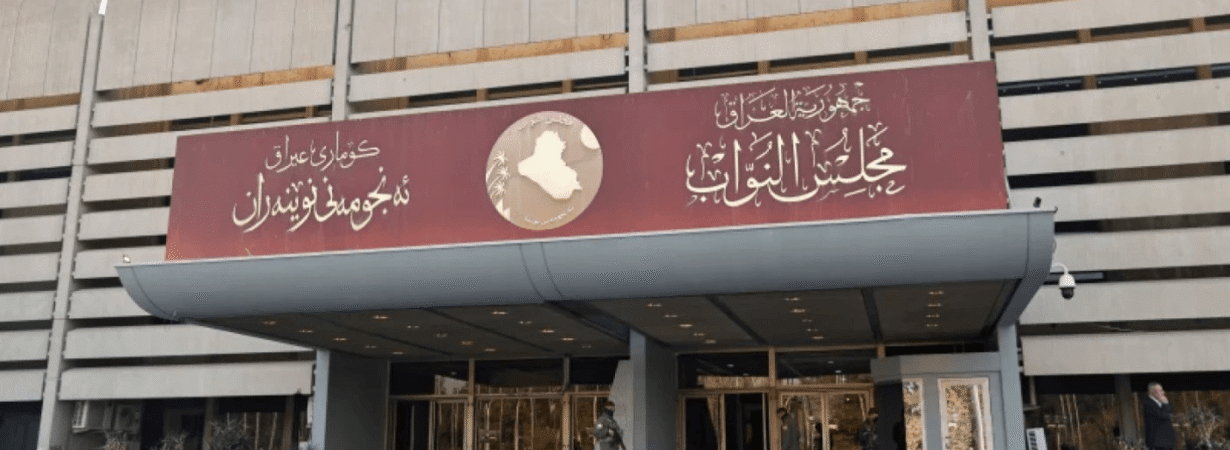
As Iraq moves closer to the constitutional deadline of 28 January, attention is firmly on Iraq’s presidency candidates, with parliament preparing to elect the country’s next head of state. A special parliamentary committee has narrowed nearly 80 applications down to just 11 approved contenders, intensifying political negotiations. Under Iraq’s post-2003 power-sharing system, the presidency is traditionally reserved for a Kurdish politician, making Kurdish consensus crucial. The contest among Iraq’s presidency candidates reflects deeper divisions within Kurdish parties and the broader political system, raising questions over whether lawmakers can reach the required two-thirds majority vote in time.
Key Contenders and Political Challenges
Among Iraq’s presidency candidates, the Patriotic Union of Kurdistan (PUK) has officially nominated Nizar Amidi, while incumbent President Abdul Latif Jamal Rashid is also seeking re-election. Other notable Iraq’s presidency candidates include Justice Minister Khalid Shwani and several independents, highlighting internal party fragmentation. The Kurdistan Democratic Party (KDP) has put forward Foreign Minister Fuad Hussein and veteran politician Nawzad Hadi. Independent and opposition-backed Iraq’s presidency candidates, including Muthanna Amin and Amira al-Jabr—the first woman to run—aim to challenge long-standing party dominance. With a high parliamentary threshold and divided blocs, the fate of Iraq’s presidency candidates remains uncertain.