
Endless Conflict Unpacked: Why Middle East Instability Persists in 2026
-
The Arab Post
- . January 17, 2026
- . Update: January 17, 2026 7:21 pm
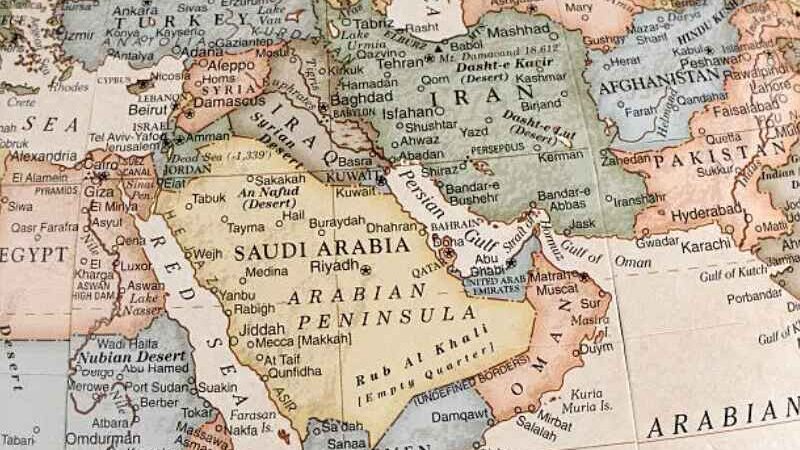
With 2026 taking shape, the Middle East instability 2026 is a characteristic international issue that is influenced by wars that are yet to be resolved, weaker governments, and heightening geopolitical competition. Instead of peace becoming permanent, the region has been plunging into the world of an armed peace where ceasefire exists but lacks political redress. In Gaza to Syria and Yemen, the conflicts are not resolved, but put on hold. Weakening of the previous systems of deterrence; particularly, with the 2025 Iran-Israel escalation has enhanced the insecurity. Further exacerbating the instability in the Middle East 2026, economic distress, climate pressures, and non-state actors are increasing the instability in the region to a very volatile and unpredictable state.
Why the Middle East Remains Volatile in 2026
The Middle East instability 2026 will persist in the unresolved conflicts, Gaza will be full of a governance vacuum and Syria will suffer under a weak transitional arrangement. The regionalization of local wars in Yemen and the humanitarian disaster in Sudan have made local wars global dangers. Simultaneously, Israel-Iran conflict takes up more space in security calculations, whereas competition within the GCC undermines the cohesion of the region. Structural stress is brought about by economic collapse, water scarcity and the pressures of the global energy transition. Non-state actors have to practice hybrid warfare and external actors have to participate in transactions to ensure that Middle East instability 2026 continues to exist, with various flashpoints that can break out in different locations at the same time.