
The Rise of Film Tourism in the Middle East
-
The Arab Post
- . February 4, 2026
- . Update: February 4, 2026 9:04 pm

The global entertainment industry is reshaping travel trends, andfilm tourism in the Middle East is emerging as a powerful cultural and economic force. The region, which was recently classified as religious, business and luxury travel, is now attracting tourists who like to explore the scenery and cities. Whether it is epic deserts or high-tech urban settings, the movies and streaming shows are turning Middle Eastern destinations into a place of aspiration.
Cinema has been seen to impact perception, and governments in the region have realised this aspect. The countries are making it easier to invest in film commissions, tax breaks, and permits in order to make themselves film-friendly locations. This plan not only attracts foreign productions but it also leaves an international long-term tourism value even after the cameras are stopped.
How Film Locations Are Becoming Tourism Assets
One of the key drivers of film tourism in the Middle East is the deliberate integration of filming locations into tourism campaigns. Consumers who watch a blockbuster or a successful series will usually desire to enter the same visual realm, and walk the streets, talk about the deserts, or visit the sites they saw in the screen discourse.
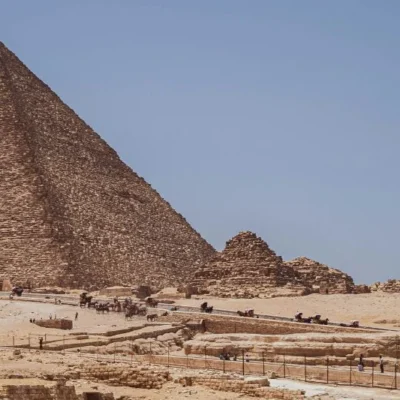
The multiplicity of the region also has a significant role to play. The old cities, untamed deserts, contemporary skyline and shorelines provide filmmakers with a chance to recreate several worlds within a single geography. These releases become high-impact visual marketing that reaches numerous audiences, termed as high-impact visual marketing that goes beyond traditional tourism advertising.
Economic and Cultural Effects Beyond the Screen
Beyond visitor numbers, film tourism in the Middle East contributes to job creation, infrastructure development, and cultural storytelling. It has a direct positive impact on local crews, artists and services industries and an indirect positive impact on hospitality, transport and conservation of heritage through tourism revenue. More to the point, the film industry also positively impacts the global perception reconstruction, making the region appear as a dynamic, creative, and culturally rich area, as opposed to a one-dimensional one.
With the ticketing of streaming services going global, the relationship of screen content with the purpose of travelling is also likely to rise further.
FAQs
Q1. What is film tourism in the Middle East?
It is the travel motivated by the sightseeing in the films or programs shot in the Middle Eastern areas.
Q2. Why are more film productions featuring the Middle East?
Competitive incentives, various landscapes, and better filming facilities.
Q3. Does film tourism have any economic value to local economies?
Yes, it promotes job creation, tourism earnings and world cultures.