
Tunisian Fashion Blending Berber and Arab Styles
-
The Arab Post
- . February 12, 2026
- . Update: February 14, 2026 12:16 pm
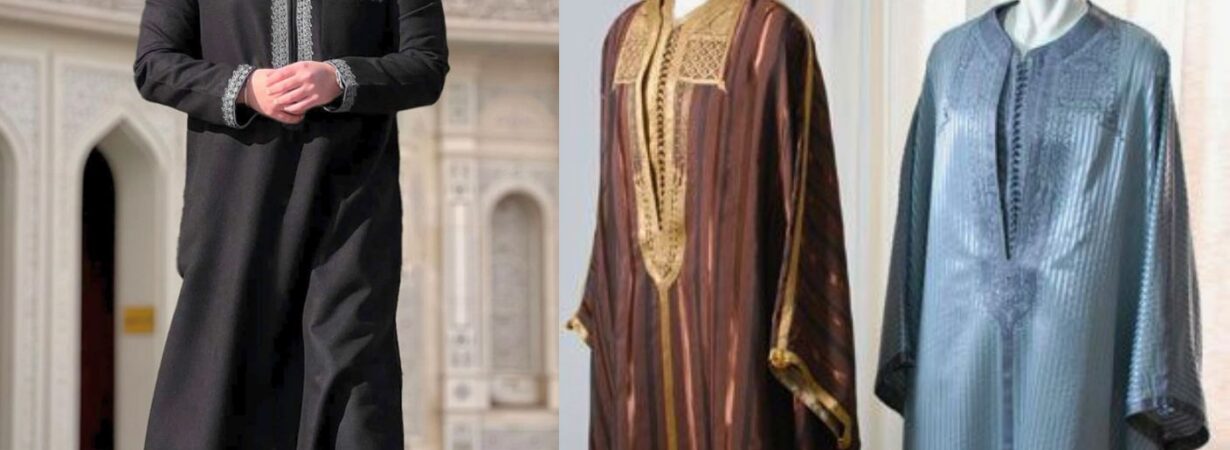
Tunisian Fashion is a vivid mirror of the complex history of the country, where indigenous Amazigh (Berber) culture is mixed with elegant Arab-Islamic culture. The unusual combination provides clothes that are bold and elegant, practical and richly decorated at the same time. There are colourful dresses in the countryside, elegant attire in the city, and all the items have a story of cultural exchange and identity.
Traditional Garments That Define Identity
The most famous one is the Jebba, which is a sleeveless tunic that men wear over a shirt and sarouel and is usually made of wool or silk with fine embroidery. Fouta and blouza are common among women; they are wrapped with a tailored top blending Berber functionality and Andalusian elegance. Brightly-colored Berber dresses are worn in the south with fibulas, and they are a display of tribal heritage. Burnous, a hooded, wool cloak, is a universal North African standard garment, and the white safari veil reflects the urban modest culture.
Blending Tradition and Contemporary Beauty
Ornamentation is a crucial part of Tunisian Fashion, and particularly heavy silver Berber jewellery with coral or amber. Embroidery styles are composed of a mix of Amazigh, Ottoman and Andalusian patterns on velvet and silk material. Tunisian Fashion is still developing today, with designers updating the traditional silhouettes to suit the global audience, and the designers being keen not to lose the pride of the culture.
FAQs
1. What is exclusive to Tunisian fashion?
The combination of Berber daring and Arab-Islamic grace makes it produce unique pieces of clothing with a historical background.
2. What is Jebba?
Jebba is a traditional man’s tunic in Tunisia that is worn over a shirt and trousers.
3. Does anyone still wear Tunisian fashion?
Yes, contemporary designers use the traditional features and transform them into the contemporary style in everyday and bridal garments.