
Saudi Arabia Urging US to Ramp Up Iran Attacks, Intelligence Source Confirms
-
The Arab Post
- . March 29, 2026
- . Update: March 29, 2026 8:18 pm
Introduction
In response to rising tensions in the Middle East, a new geopolitical squeeze has formed with reports that Saudi Arabia is pressuring the United States to increase its military operations against Iran, according to an intelligence source. The report adds further complexity to an already complex situation involving the United States, Israel, Iran, and many other regional parties, all involved in a highly volatile conflict.
What the Report Says
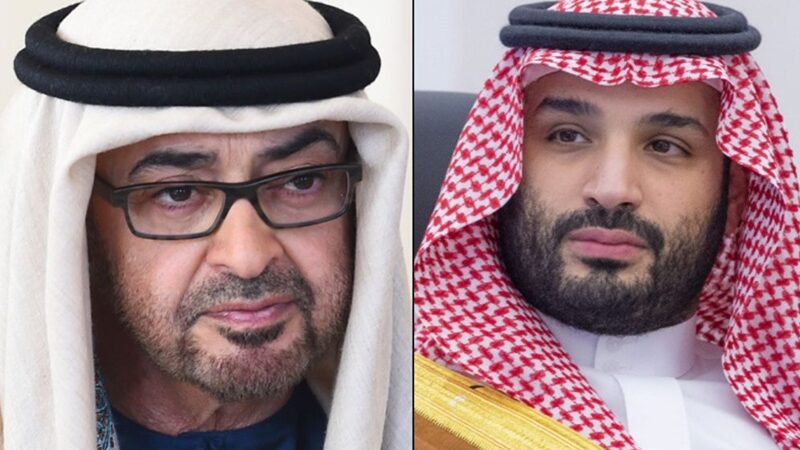
Multiple intelligence inputs have pointed towards Saudi leadership, specifically Crown Prince Mohammed bin Salman, urging Washington to both continue and increase attacks on Iran. This effort is seen as a strategic opportunity by. Saudi officials believe that it is a historic opportunity in which to rebalance the balance of power in the region by reducing Iran’s influence in the region through this ongoing conflict.
Strategic Motives Behind Saudi Arabia’s Stance
There are several reasons for Riyadh’s position:
- Security: Iran has attacked Saudi Iranian infrastructure such as oil and military facilities to date.
- Regional Influence: This will allow Riyadh to increase the influence of Iran in Yemen, Lebanon, Syria, and Iraq through continuing these operations to reduce Iranian influence.
- Economic Stability: Ongoing conflict will undermine Riyadh’s plans as outlined in its economic initiatives, such as its Vision 2030 reforms.
A Delicate Balancing Act
Saudi Arabia is supporting diplomacy and de-escalation opportunities and has participated in meetings to try to reduce tensions and promote a de-escalation of conflicts in the region.
On the other hand, privately, it has dealt with some assertiveness, calling for increased military pressure on Iran. The use of a dual-track strategy reflects a classic example of geopolitical balancing:
- Avoid direct involvement in a potential war
- Indirectly support its allies (the United States and Israel)
- Prepare for an escalation, as needed
Risk of Wider Regional War
The situation presents a high degree of risk for an increased degree of violence. The conflict has already expanded beyond Iran and Israel, with:
- Houthis in Yemen are launching missile attacks on Saudi Arabia and Saudi oil installations
- Missile attacks from Houthis on U.S. military bases throughout the region
- Threats against vital trade and oil routes, such as the Strait of Hormuz
Global Implications
Global implications of the current escalation are much broader than the Middle East:
Energy Markets — Attacks against oil infrastructure and facilities have already resulted in supply disruptions and increasing volatility in energy prices.
Global Trade — The protection of maritime shipping routes is in jeopardy, which will impact global shipping and logistics.
Geopolitical Alliances — Countries are being forced (through their negotiations, alliances, and diplomacy) to take sides or consult mediators to help them to negotiate or mediate any possible solutions to the escalating violence.
Conclusion
Just as Saudi Arabia’s push for intensified U.S. attacks against Iran marks an important moment in the evolution of the conflict that currently exists between Iran and Israel, the fact that Riyadh has not yet reached the point of crossing the line into direct military involvement, represents a further indication of the degree to which the nation has determined that its position with respect to Iran has hardened.

FAQs
1. What is the main claim in this report?
The report suggests that Saudi Arabia has privately urged the United States to intensify military strikes against Iran, based on intelligence sources.
2. Has Saudi Arabia officially joined the conflict?
No, Saudi Arabia has not officially entered the war. It is currently supporting efforts indirectly while maintaining a cautious public stance.
3. Why does Saudi Arabia want stronger action against Iran?
Saudi Arabia and Iran have a long-standing geopolitical rivalry. Riyadh views Iran’s growing influence in the region as a direct threat to its security and leadership position.
4. Who is leading Saudi Arabia’s strategy in this situation?
The country’s approach is largely driven by Crown Prince Mohammed bin Salman, who plays a central role in shaping foreign and defense policies.