

Strait of Hormuz ‘Yellow Line’ Lockdown: Is Your Flight to Dubai or Doha Affected by the New Airspace Warning?
-
Dhivyanshu
- . April 19, 2026
- . Update: April 19, 2026 1:03 pm
Aviation all over the world is experiencing an unprecedented crisis due to the recent imposition of stringent military borders. With the growing tensions in the geopolitical arena, the geopolitical authorities have created extremely limited areas, also commonly known as the Yellow Line, that compel a complete transformation of commercial flight paths. With imminent plans of travelling to the Gulf, it is important to learn these imminent changes to avoid the delays that may arise.
Navigating the new Middle East airspace restrictions
The lockdown of the Yellow Line has radically changed international transit. Intended to be a hard military boundary separating civilian aircraft and active conflict zones, these safety zones have instigated far-reaching airspace bans throughout the Middle East. Safe Airspace has reported that a number of regional Flight Information Regions (FIRs) are currently under severe restrictions or closed altogether due to the latest risk assessments.
Airlines are no longer able to fly their standard, direct routes. Instead, they are being made to work around extremely small, highly controlled paths. The authorities such as the European Union Aviation Safety Agency (EASA) have imposed the operators to avoid most of the central airspace of the region and only flights above high altitude to by-pass the region in the south are allowed to maintain total safety by the civilians.
Discover more
Check Trump Iran Strategy Importance?
Check why Trump’s Iran strategy depends on Gulf allies.
Discover Iran Delay Strategy Tactics?
Discover how Iran uses delay, repression, and proxy influence.
Explore Iran Military Warning Signals?
Explore rising warnings from Iran alarming global powers.
Explore Iran War Lessons Globally?
Explore how the 2026 Iran war reshapes global power and strategy.
Discover Sudan Iran Axis Threat?
Discover how the Sudan-Iran axis raises serious regional concerns.
The impact on the Strait of Hormuz flight path
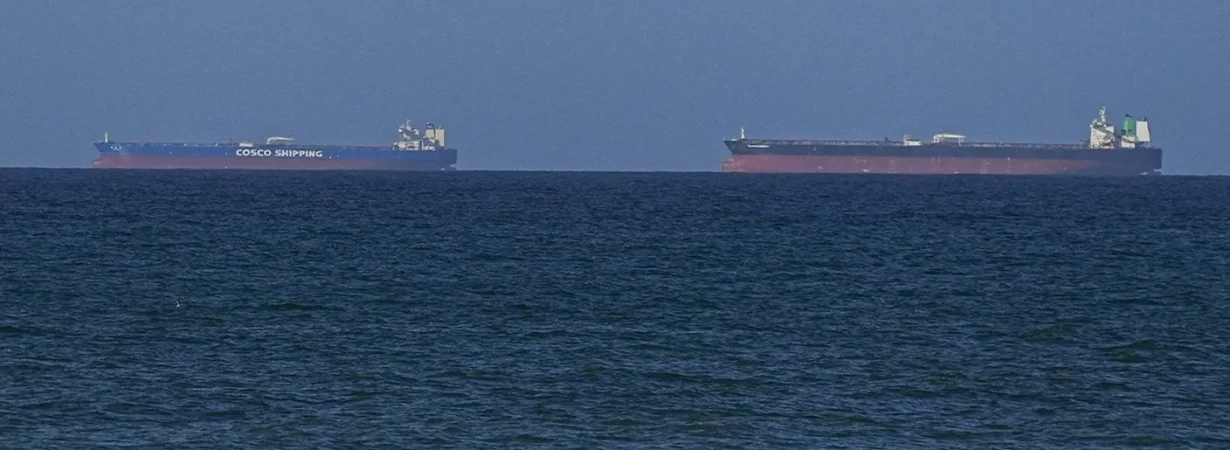
There is a critical maritime choke point on the Persian Gulf and the Gulf of Oman. The historic Strait of Hormuz flight path, which was once one of the world’s busiest intersections of transit routes between East and West, has become virtually closed to commercial overflights.
Due to the saturation of the region by military naval blockades and drone actions, it has been decided by aviation regulators that the normal Strait of Hormuz flight path is too dangerous to commercial passenger jets. Flights are being extended well to the south and further to Oman and Saudi Arabia, as operational updates in recent OpsGroup updates reveal. This required diversion is adding significantly to flight time, fuel burn, and causing gigantic logistical bottlenecks in the network.
Managing widespread Dubai flight disruptions
To passengers, the ground level reality is a tsunami of cancellations, delays and re-bookings. The heavy congestion of major hubs is experiencing the great pressure of those structural reroutes and the resultant flight disruptions at Dubai are very publicized. Even the carriers which are based in the UAE are modifying their daily routines 24 hours a day to meet the new safety routes.
It is strongly recommended that the travelers should use the Dubai Airports Official Updates board before proceeding to the terminal. Moreover, flagship carriers are also in the process of changing their international networks. When you are flying with Emirates, you have to visit their special travel alerts page because they are already running a very limited schedule after a partial and controlled reopening of regional airspace. Equally, several low-cost airlines have canceled flights to several of the regional cities altogether because of the uncertainty and cumulative nature of these Dubai flight disruptions.
Doha and the Broader Aviation Network
The current Middle East airspace restrictions also have significant parts of Qatar aviation infrastructure under regulation. The national airspace is now closed to normal overflights and air traffic control has to extensively control approved arrivals and departures using very specific entry points. Customers who will be travelling through Qatar Airways or passing over Hamad International Airport ought to expect long layovers and last minute schedule changes. The International Air Transport Association (IATA) is still in a desperate attempt to expand these narrow transit corridors in collaboration with the governments of the regions so as to be safe.
US-Iran War: Airlines Limit Flights to Dubai and Middle East
FAQs
1. What are the current Middle East airspace restrictions?
The airspace over much of Iran, Iraq and a portion of the Gulf is either closed or highly restricted due to regional tensions and the presence of the Yellow Line military safety zones. To provide security to passengers, commercial flights have to be diverted into special and narrow corridors of safety.
2. Is the Strait of Hormuz flight path still safe to use?
The old, personal path is now grossly limited. International aviation authorities have advised all commercial airlines to shun the airspace of the strait itself because of the military activity in the region that continues to add a lot of time to the international flight paths.
3. How bad are the Dubai flight disruptions?
The disturbances are very important. Although these airports are by no means closed or shut, international and low-cost airline corporations have had to cancel or reschedule thousands of flights to fit in the new limited flight paths.
4. Will my flight to Doha be canceled?
The airspace in Qatar is now restricted to pre-approved departures and arrivals only, i.e. regular overflights are not allowed. As national carriers continue to work with updated schedules, passengers should always confirm with their airlines, in the event of last-minute changes, before they travel.