
Strait of Hormuz Tensions Escalate: Iran Demands Complete Navigation Freedom in Ultimatum to US
-
Dhivyanshu
- . April 18, 2026
- . Update: April 18, 2026 6:37 pm
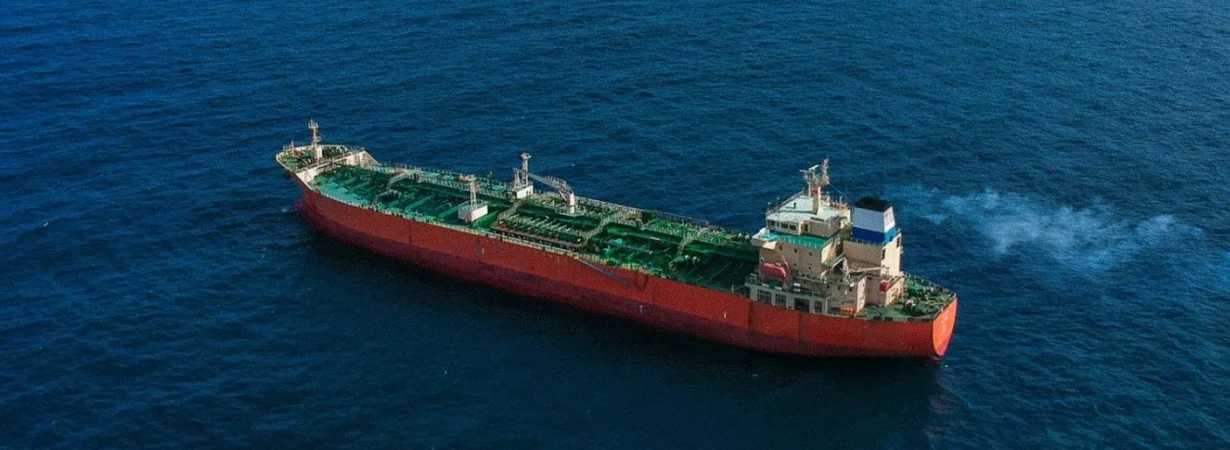
The world response to the urgent announcement about a major maritime shipping route has created extreme tension between international markets and diplomatic channels. The Iranian authorities have declared their essential waterway will be controlled completely until they receive their required demands. The international energy market experienced immediate disturbances because of the recent surge in Strait of Hormuz tensions.
The United States must ensure complete navigation rights to commercial ships which operate between Iran and international waters. The current diplomatic crisis has brought back historical political conflicts which demand continuous surveillance by maritime monitoring organizations.
Understanding the Latest Strait of Hormuz Tensions
Due to its prominent location at the culminating point between the Persian Gulf and the Gulf of Oman, therefore, ultimately critical for the transit of energy. Any disruption here directly impacts international economic stability. The current Strait of Hormuz tensions stem from mutual accusations regarding the harassment and seizing of commercial tankers in international waters.
According to guidelines established by the International Maritime Organization (IMO) all commercial shipping operations around the world can exercise their right to navigate freely. However, political sanctions and regional enforcement have deeply complicated these legal frameworks. The recent ultimatum is a direct response to what Tehran perceives as unfair naval blockades against its own commercial fleet.
The Core of the US Iran Navigation Dispute
The current situation represents the conclusion of an ongoing US Iran navigation dispute which involves navigation through Iranian waters. International naval coalitions have operated in these waters for many years to protect commercial shipping activities.
Iranian authorities maintain that their naval vessels face unlawful attacks from foreign forces. Iran uses its control of the strait to enforce diplomatic commitments from its counterpart. The United Nations Security Council is the primary source that people consult for understanding the legal framework which governs international waters and maritime navigation rights.
Discover more
Explore Iran War Lessons Globally?
Explore how the 2026 Iran war reshapes global power and strategy.
Discover Iran Delay Strategy Tactics?
Discover how Iran uses delay, repression, and proxy influence.
Check Trump Iran Strategy Importance?
Check why Trump’s Iran strategy depends on Gulf allies.
Explore Iran Military Warning Signals?
Explore rising warnings from Iran alarming global powers.
Discover Sudan Iran Axis Threat?
Discover how the Sudan-Iran axis raises serious regional concerns.
How Iranian Maritime Control Impacts Global Shipping
The existing ultimatum will lead to stringent Iranian maritime control practices which will result in fundamental changes to international shipping operations. Shipping companies that operate in the Gulf face rising maritime insurance costs because of increased dangers that result in ship delays and interceptions.
The narrow corridor handles a major part of the total daily oil consumption that exists in the world. The Organization of the Petroleum Exporting Countries (OPEC) maintains continuous observation of the actual operation status for all transit pathways because any extended period of transit route blockage will cause crude oil prices to increase dramatically on a worldwide scale. The increased Iranian maritime control operations forces shipping companies to select between expensive new shipping routes which results in a global distribution network effect that impacts all consumers throughout the world.
The U.S naval blockade has a huge leakage.
— Iran Consulate – Hyderabad (@IraninHyderabad) April 17, 2026
🔹First satellite footage of tankers moving through the Sea of Oman towards the Strait of #Hormuz.
🔹Tanker Trackers has released three days of images from its Automatic Identification System (AIS).
🔹This number only includes… pic.twitter.com/QfXeHIEQyD
FAQs
1. What is causing the current Strait of Hormuz tensions?
The existing tensions between the two sides originate from an ultimatum which Tehran issued to maintain strict Iranian control over the strait until the United States guarantees unimpeded navigation rights for Iranian commercial ships.
2. How does the US Iran navigation dispute affect global trade?
The chokepoint serves as a vital route for transporting over half of the world’s oil and liquefied natural gas, which causes any disputes or blockages to result in immediate increases in maritime insurance expenses and shipment interruptions and worldwide energy price surges.
3. What does Iranian maritime control mean for commercial shipping?
The strict control of the strait enables authorities to monitor vessels which enter the area through intense surveillance and inspection procedures and to detain any vessel which violates their regulations. International shipping companies face a high-risk environment because they must navigate multiple supply chain requirements which originate from their operations throughout the world.