

Saudi Oil Loadings Plunge 36% as Houthi Threats Choke Bab Al Mandeb Passage
-
Dhivyanshu
- . July 21, 2026
- . Update: July 21, 2026 3:49 pm
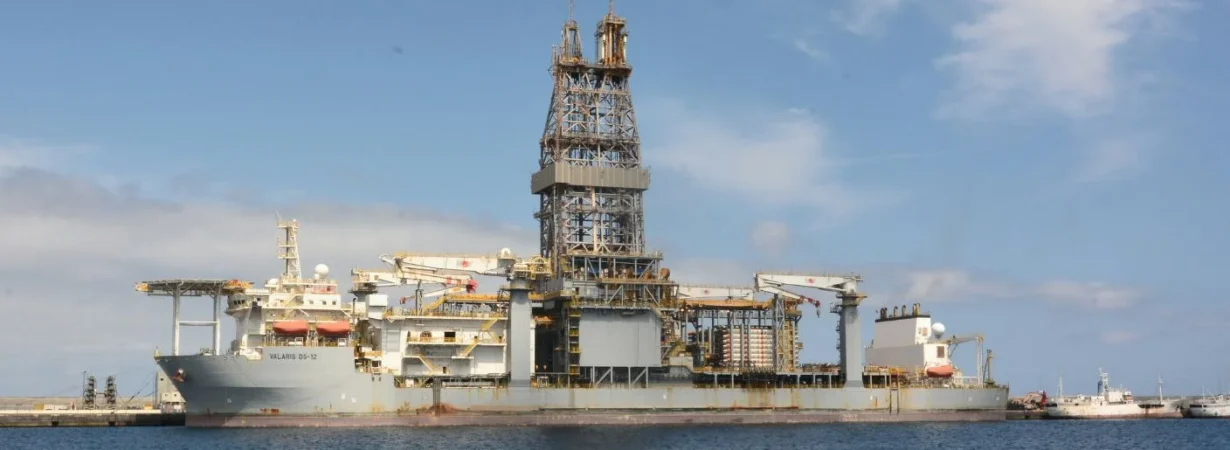
The global energy market is kinda bracing for severe disruptions as Saudi oil loadings drop off quite hard, after renewed fighting in the Red Sea. Basically because Yemen’s Houthi forces are now targeting shipping with a maritime embargo, crude deliveries through the critical Bab Al Mandeb channel have fallen by 36%, which is a pretty big number. Houthi threats impact on Saudi oil loadings, And with Houthi threats that just keep escalating, analysts say Middle Eastern export routes are getting squeezed hard, so a bigger global energy crisis could be coming in 2026. Below is a full breakdown of the embargo, the way oil flows are being rerouted, and what this geopolitical shift might mean for markets.
The 36% Drop: Tracking the Decline in Saudi Oil Loadings
During the first half of July 2026, the amount of crude oil leaving Saudi Arabia from its western ports saw a sharp contraction. Based on real-time analytics from Kpler, total weekly crude loadings from Red Sea terminals slid from a high around 9.5 million barrels per day (bpd) on June 29 to only about 6.1 million bpd by the week of July 13.
This decline is hitting both regional and international supply chains in several ways:
- West Coast Flows: Dropped noticeably from 4.23 million bpd to 2.79 million bpd.
- Asia-Bound Exports: Sliding from 5.30 million bpd down to 3.32 million bpd.
- Bab Al Mandeb Transits: Homayoun Falakshahi, head of Kpler’s crude analysis team, said there was a drop of more than 1.2 million bpd moving from the Middle East and Asia toward the Red Sea.
The Catalyst: The Sanaa Airport Strike and Retaliation
The sudden drop in Saudi oil loadings, kind of, directly comes from a rapidly worsening security situation. The Houthis have recently announced a tough maritime embargo on Saudi Arabia, and they did it with a formal line about the kingdom’s alleged strike on Sanaa airport, plus the older and long-standing blockade of Yemen, like it’s the main reason.
In practice, this embargo looks like the most serious strain in Riyadh–Houthi relations since some sort of informal truce showed up in April 2022. Neil Quilliam, an associate fellow at Chatham House, said the Houthis are signaling that they mean to push the territorial standoff right into the Red Sea’s shipping area, basically expanding the conflict there.
A Two-Front Chokepoint Crisis
The moment of these Houthi shipping threats is unusually risky for worldwide energy security. Saudi Arabia was already sending more than 70% of its crude exports to Yanbu on its west coast, mainly because of ongoing tensions, and navigation through the Strait of Hormuz is effectively shuttered.
Noam Raydan, a senior fellow at the Washington Institute for Near East Policy, stressed that the energy market is now under heavy strain at two of the globe’s most vital geographical choke points, all at once.
Strategic Impact on the Bab Al Mandeb Passage
The Bab Al Mandeb passage is kinda the lifeblood of East-West trade; historically, it carried about 12% of global maritime trade and roughly a quarter of global container traffic, you know. Per figures from the U.S. Energy Information Administration (EIA), oil flows through the strait averaged 9.3 million bpd in 2023. But earlier rounds of the Houthis tanker war had already cut that down to around 4.1 million bpd by early 2024.
At least for a bit, volumes bounced back to about 7.4 million bpd in June 2026, since Saudi Arabia leaned more into its Red Sea terminals. Still, the renewed embargo could end up cutting off this whole vital artery, like completely.
Global Economic Repercussions
Andreas Krieg, an associate professor at King’s College London, says that if both the Bab Al Mandeb passage and the Strait of Hormuz are effectively shut, Saudi Arabia gets put under a “strategic siege.” The broader economic ripple is expected to be pretty harsh, mostly showing up as :
- Spiking Freight Rates: Longer sailings past the Cape of Good Hope tack on something like three weeks of movement, by the time it all adds up.
- Soaring Insurance Premiums: War-risk coverage for ships going through the Red Sea has already reached record-level figures.
- Oil Price Volatility: With big carriers like Maersk and Hapag-Lloyd keeping route suspensions in place, the delayed delivery of crude could spark major price shocks.
The 36% plunge in Saudi oil loadings is, honestly, a real inflection point for global energy markets in 2026. If you look at what happened after the embargo was pushed through at Bab Al Mandeb, renewed Houthi shipping threats have basically trapped a big chunk of the world’s crude supply in practice. Unless some quiet diplomatic backchannels can get the fragile 2022 truce back in place, the international community should prepare for longer supply line problems, higher sea freight fees, and ongoing volatility across the global oil business, as it won’t really calm down anytime soon.
FAQs – Houthi threats impact on Saudi oil loadings
Q1: Why have Saudi oil loadings dropped by 36%?
A: Saudi oil loadings plunged because of a fresh maritime embargo declared by Yemen’s Houthis, which has sharply raised the danger for tankers leaving Saudi Arabia’s western ports.
Q2: What triggered the new Houthi shipping threats?
A: The Houthis say it was sparked by an alleged Saudi strike on the Sanaa airport, plus the long-running blockade of Yemen, as a reason to end the 2022 truce and restart hostilities.
Q3: How important is the Bab Al Mandeb passage to global oil?
A: It is, quite frankly, extremely critical; historically it enabled more than 9 million bpd of crude to move through. If it is shut, cargo vessels need to detour around Africa; that raises costs and also stretches sailing durations.
Q4: How does this affect the Strait of Hormuz?
A: Since the Strait of Hormuz is already dealing with severe disruptions from the wider regional fighting, losing the Red Sea corridor leaves major producers with almost no dependable sea export passage.
Discover more Insights
Explore Iran War Lessons Globally?
Explore how the 2026 Iran war reshapes global power and strategy.
Discover Iran Delay Strategy Tactics?
Discover how Iran uses delay, repression, and proxy influence.
Check Trump Iran Strategy Importance?
Check why Trump’s Iran strategy depends on Gulf allies.
Explore Iran Military Warning Signals?
Explore rising warnings from Iran alarming global powers.
Discover Sudan Iran Axis Threat?
Discover how the Sudan-Iran axis raises serious regional concerns.