
When Social Media Crossed Borders: The Story Behind Ceuta’s Migrant Rush
-
Dhivyanshu
- . August 5, 2026
- . Update: August 5, 2026 8:31 pm
Today, one social media post can travel faster than any human being ever could. Sometimes those messages offer hope. Sometimes they create chaos. Social media misinformation Ceuta migrant crisis, That is precisely what occurred in the dramatic migrant surge into Spain’s North African enclave of Ceuta, where social media played one of the most influential roles in an unprecedented border crossing. It is no longer a story about migration. It is a story about how digital information, whether true or false, can affect the lives of thousands of people within hours.
How Ceuta Became the Center of a Border Crisis
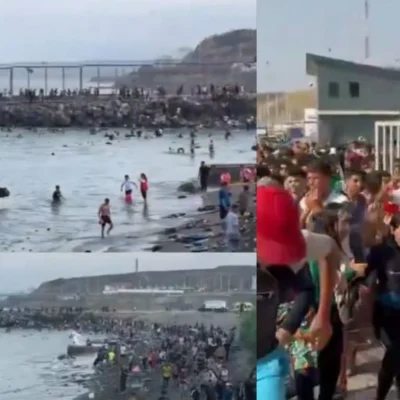
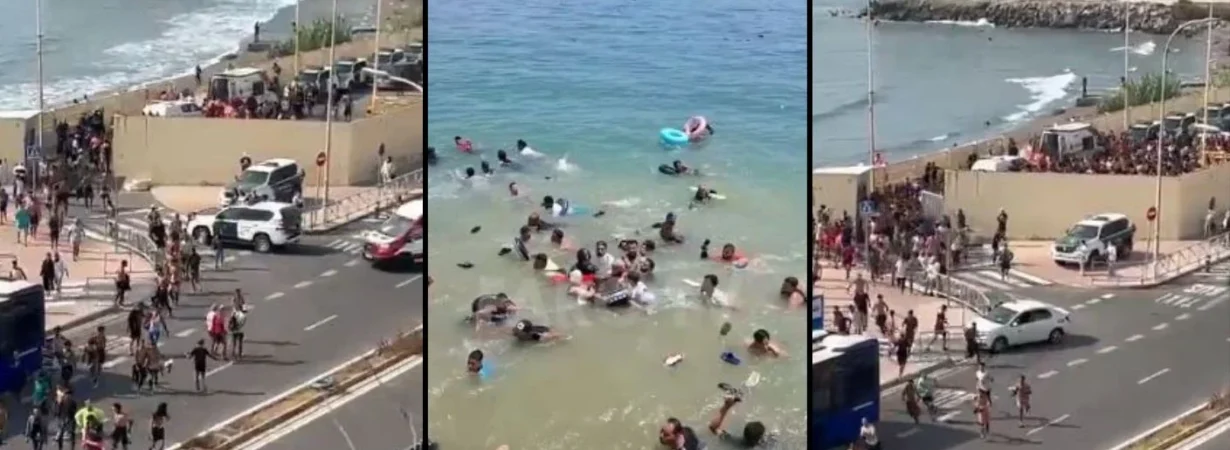
Ceuta is a small Spanish enclave on the northern coast of Africa and shares a land border with Morocco. It is in Africa geographically, but it is part of Spain, and therefore part of the European Union. In May 2021, more than 8,000 migrants crossed into Ceuta in two days. Many swam through border barriers or crossed shallow waters as Moroccan border controls appeared to relax. There were entire families, young adults and hundreds of children who were alone. The sudden influx overwhelmed Spanish authorities and drew international attention.
The Role of Social Media
One of the biggest drivers of the mass movement was the viral spread of information on social media platforms like WhatsApp, Facebook, and TikTok. Messages were circulating that the border was ‘open’ or that the security forces would let people into Spain without a fight. These messages spread rapidly through migrant communities, based on fact, misunderstanding or deliberate misinformation. For many unemployed, poor and uncertain, those online posts offered what seemed to be a rare opportunity for a better future. Within hours, thousands of people had gathered close to the border, convinced they had a chance to get to Europe.
Why So Many People Took the Risk – social media misinformation Ceuta migrant crisis
Economic hardship had already pushed many young Moroccans and migrants from sub-Saharan Africa to seek better opportunities. The COVID-19 pandemic exacerbated unemployment in the region, adding to the appeal of migration. Social media fed those hopes, suggesting that crossing had suddenly become easier than ever before. Many migrants later said they relied more on online videos and messages than official government announcements, showing how digital platforms increasingly influence migration decisions.
Spain and Morocco Responded
Military personnel and extra police were dispatched by Spain to guard the border as a consequence of the surprise arrivals. Under existing bilateral agreements, the authorities swiftly started returning many of the migrants to Morocco. Morocco, in contrast, reinstated stricter border controls following talks with Spain. The crisis has also highlighted political strains between the two countries, with some analysts suggesting that wider diplomatic disputes played a role in the temporary easing of border security.
Explore More Must-Reads
Explore current vs savings account differences?
Discover how choosing between current and savings accounts can impact your daily banking and long-term financial planning.
Explore Cairo living costs 2025–2026 trends?
Check how rising expenses and inflation are shaping everyday life and budgeting in Cairo for residents.
Explore Amman jobs and living reality?
Discover real salaries, job opportunities, and actual living costs in Amman before making a move.
Explore best countries for Arabs 2026?
Check top destinations, visa options, and opportunities for Arabs planning to relocate in 2026.
Explore Morocco gig economy earnings and taxes?
Discover platforms, income potential, and tax rules shaping Morocco’s growing gig economy.