
Libya-China Payment Link: Could New Banking Channels Make Cross-Border Shopping Easier?
-
Dhivyanshu
- . September 12, 2026
- . Update: September 12, 2026 6:30 pm
Libyan traders and buyers have encountered numerous challenges to their importing activities from Asia over the years due to the complicated, dollar-based financial routing and growing informal currency market in Libya. Luckily, a new trade payment facility linking Libya and China, which has been set up recently in 2026, has the potential to revolutionize international trade. The newly started financial institutions will now connect Libyan commercial banks to the Chinese system thus making the much more efficient transaction process possible. If you are an importer or keen on shopping overseas, you should read further to learn more about the innovation and its great benefits for you.
Understanding the New Libya-China Banking Channels
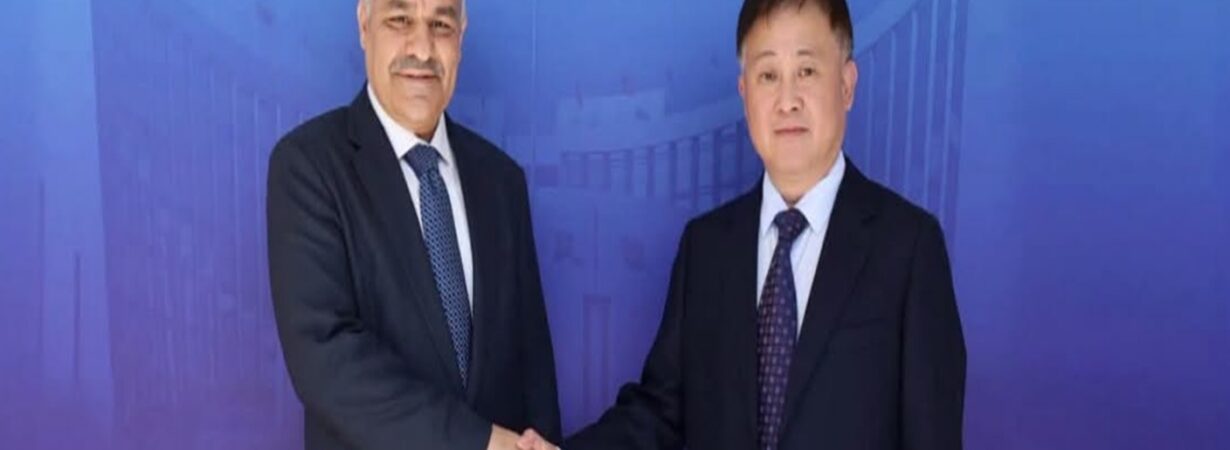
A groundbreaking agreement was reached in July 2026 between the Central Bank of Libya (CBL) and the People’s Bank of China (PBOC) in Beijing. The governors of Libyan commercial banks and the PBOC, Naji Mohammed Issa and Pan Gongsheng, respectively, signed an agreement to link Libyan banks to China’s huge financial networks.
The key of this deal is that it will be incorporated into China’s Cross-Border Interbank Payment System (CIPS). Through this change, Libyan businesses will now be able to make transactions directly with other companies, bypassing multiple intermediaries of Western banks and allowing for real-time payments. The development of this direct payment channel between Libya and China significantly modernizes the country’s financial system, bringing it into line with international standards, the Central Bank of Libya has said in official statements.
Integrating with the CIPS Network
The CIPS was launched in 2015 to be a strong alternative to the conventional SWIFT system. Becoming an integral part of the Libyan market:
- Direct Yuan Transactions: Yuan transactions are directly made and received, eliminating expensive dollar conversion fees.
- Faster Letters of Credit: Importers can now open the letters of credit directly with Chinese Banks, and speed the shipping and manufacturing process.
- Enhanced Security: It provides a very secure platform for electronic payments and direct monetary transfers.
How This Impacts Cross-Border Shopping and Small Traders
Local businesses and the average consumer who consume Chinese-made products, electronics, and textiles are the first to reap the fruits from these new avenues of banking. Small traders would have to pay high prices and wait for days to pay overseas suppliers in the past.
Friction of cross-border shopping is significantly reduced by the payment link between China and Libya. Online merchants can feel more confident ordering inventory and know their payments will be quickly and securely settled. The direct transfers of money, as Middle East Monitor’s financial analysts have reported, will make international trade much easier for small-scale traders, reducing the end cost of goods for Libyans.
Bypassing the Informal Market
Perhaps the most important benefit of this system is that it affects the Black Market. The Central Bank of Libya is working hard to promote an informal currency market by making it legal and easy to access new banking options. This change enables the strict compliance of the anti-money laundering (AML) and counter-terrorism financing requirements, and it brings about an outstanding improvement in the international reputation of Libyan banking sector.
Top Picks For You
Explore best education systems worldwide?
Discover the top countries offering world-class education systems and global academic excellence for students.
Check best countries for Arabs 2026?
Explore the most welcoming destinations and immigration options for Arab students and professionals in 2026.
Discover top Saudi scholarships available?
Check the best fully funded Saudi Arabia scholarships open for international and Arab students.
Explore AI impact on Arab education?
Discover how AI is transforming education systems discussed at major Arab conferences.
Check Saudi universities global rankings?
Explore how Saudi universities perform in world academic rankings and global education standards.
Reducing Reliance on the US Dollar and Modernizing Finance
Besides this, the Libyan-China payment linkage is a macroeconomic strategic move. Libya is also cutting down on its extensive use of the US dollar for international trade by fixing trades directly in Chinese yuan. This will give the economy a significant protection against the volatility of foreign exchange market.
Moreover, this collaboration provides scope to extend technological integration further. Talks between the two central banks have broadened to tap into China’s cutting-edge digital payment and modern financial technology experience. Entities such as the World Bank say they will need to invest in such digital infrastructure over the next several years for Libya’s economic recovery and stabilization to be long-lasting. To for more perspective on this bilateral growth, the Observatory of Economic Complexity (OEC) has recent trade statistics.
The introduction of the Libya-China payment link is a milestone for the North African country’s economy. This will effectively destroy the traditional limitation imposed on international trade in Libya by the Central Bank, by using the new banking channels. This equates to a level of seamless cross border shopping, lower transaction costs and shorter supply chains for local merchants and consumers. With the strengthening of this financial bridge, it will bring a new age of modern, secure and highly efficient digital commerce to Libya.
FAQs
Q1: What is the new Libya-China payment link?
A: The mid-2026 agreement involves linking Libyan banks to China’s Cross-Border Interbank Payment System (CIPS), enabling them to make transactions in yuan.
Q2: How do these new banking channels help small traders?
A: This means that there are no longer intermediary banks or conversion fees in dollars, which speeds up the process of purchasing goods and making payments.
Q3: Will this affect the informal currency market in Libya?
A: Yes, it will. The government is trying to make sure traders do not use the black market by offering them an efficient and formal method of sending money abroad.