
As the UN Mission in Somalia Ends, Can Mogadishu Navigate Its First Sovereign Electoral Transition?
-
The Arab Post
- . October 31, 2026
- . Update: October 31, 2026 8:23 pm
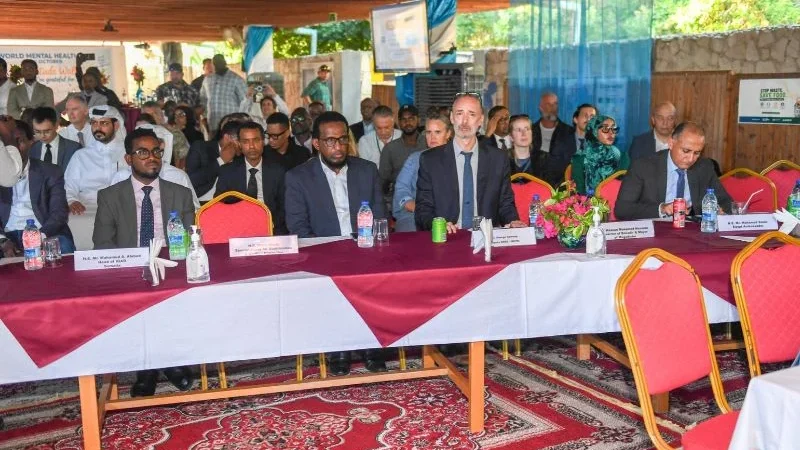
The Horn of Africa will say goodbye to its United Nations politics because its activities will officially come to an end on October 31, 2026, which will mark the end of a 30-year period of intense state-building efforts by the international community. Somalia electoral transition, By ceasing operations of its United Nations Transitional Assistance Mission in Somalia (UNTMIS), the UN is indeed taking a giant step towards Somalia’s national independence.
However, the UN absence in Somalia comes at a time when the country is facing a serious constitutional crisis during elections. With all international diplomatic efforts stuck, Somalia will have to conduct a turbulent electoral transition alone, which will test the newly created government institutions.
The UN Security Council created the United Nations Mission in the country according to their recommendation for the UNTMIS mandate that was meant to be the final two-year transitional phase during which all mediation duties are gradually passed over to the local power of the state. The withdrawal today is a triumph of self-rule because the people at the helm of governmental affairs in the capital have demonstrated that the country had matured and become sovereign following the civil war.
The country’s political life has been heavily influenced by the foreign diplomats since the beginning of the 1990s when the government lost most of its power. The UN was responsible for stabilizing the situation in the country by providing political mediation since the early peacekeeping operations to the establishment of the UN Assistance Mission to Somalia in 2013 that is to shut its doors today.
The Core of the Somalia Electoral Transition Crisis
One of the major threats to the stability in Somalia is the disagreement over the electoral system in Somalia as well as over the legitimacy of the government. Although proposed amendments in any electoral regulations and practices are there, the debate about the legality of the current parliament and the term of President Hassan Sheikh Mohamud still continues.
The administration of President Mohamud is very supportive of transforming the indirect voting system that is based on clans into the traditional general voting system that is known as “one person, one vote”. Although the transformation is perceived as a significant step towards democracy, it is opposed by many federal states and prominent opposition parties who are in favor of the longer process of transformation.
According to a number of experts, the extensive constitutional amendments have not garnered the approval of the majority of the nation and could have far-reaching implications including leading to an increase in the amount of presidential power in Mogadishu. The federal government has attempted to implement amendments to the electoral system without the backing of any of the regional command centers, and in particular Puntland which has been a strong opponent of the proposed changes.
The Looming November Showdown – Somalia electoral transition
In two weeks, Mogadishu political mediation will face its first serious challenge when President Hassan Sheikh Mohamud invites all major political actors to the election negotiations set for November 14-18.
However, the main opposition groups and important local governors have not yet confirmed that they will participate or not as reported by the Associated Press. If it were not for the efforts of UN political officials who worked hard in trying to negotiate informal deals that would allow the federal government and regional states to reach an agreement on their unwillingness to accept some of the concessions made, the application of local mechanisms for dispute resolution would have failed completely.
The process of electoral transition in Somalia are likely to come to standstill if the talks in the middle of November fail or if they are boycotted with no side willing to compromise. Indeed, for far too long the armed groups profiting from the absence of proper government have proven to be able to operate in those periods when political standoff occurs.
Balancing Sovereignty with Ongoing Security Threats
Even though the political mediation body has nearly exhausted its functions, this by no means implies that international presence is going to be entirely eliminated. Some institutions such as the Federal Government of Somalia, UN humanitarian agencies, development funds and programmes will still be offering services to the extremely vulnerable population living in Somalia.
In addition, international military support is something that must be present as well. The African Union has been dispatching troops to central and southern parts of Somalia to reinforce the army of Somalia in its struggle against al-Shabaab even today.
Nevertheless, only military operation will not guarantee the security of the country as has been pointed out by the forecast of the regional security by Dawan Africa. Experts emphasize that with the use of the election crisis the people cannot use the judiciary, get police protection and have united political power.
The Final Verdict on State-Building
Worsening the political and security situation are the high levels of environmental and economic stress. The humanitarian needs have been compounded this year by recurring droughts, catastrophic flooding and reduced amounts of international aid, which have forced hundreds of thousands of civilians to flee their homes.
In the end, the UNTMIS mandate is over and Mogadishu must deal with all these crises without any international backup. The UN mission in Somalia draws to a close, and responsibility for statehood is all to the domestic actors. The coming November discussions will decide whether Somali leaders will be able to get this Somali electoral transition to work via domestic compromise, or whether their exit of foreign mediators will reveal the fragility of Somalia’s newly-built institutions.
Explore More Must-Reads
Explore current vs savings account differences?
Discover how choosing between current and savings accounts can impact your daily banking and long-term financial planning.
Explore Cairo living costs 2025–2026 trends?
Check how rising expenses and inflation are shaping everyday life and budgeting in Cairo for residents.
Explore Amman jobs and living reality?
Discover real salaries, job opportunities, and actual living costs in Amman before making a move.
Explore best countries for Arabs 2026?
Check top destinations, visa options, and opportunities for Arabs planning to relocate in 2026.
Explore Morocco gig economy earnings and taxes?
Discover platforms, income potential, and tax rules shaping Morocco’s growing gig economy.