

Digital Sovereignty Is the New Independence Lessons From Djibouti and Egypt at the Doha ITU Summit 2026
-
The Arab Post
- . November 12, 2026
- . Update: November 12, 2026 5:39 pm
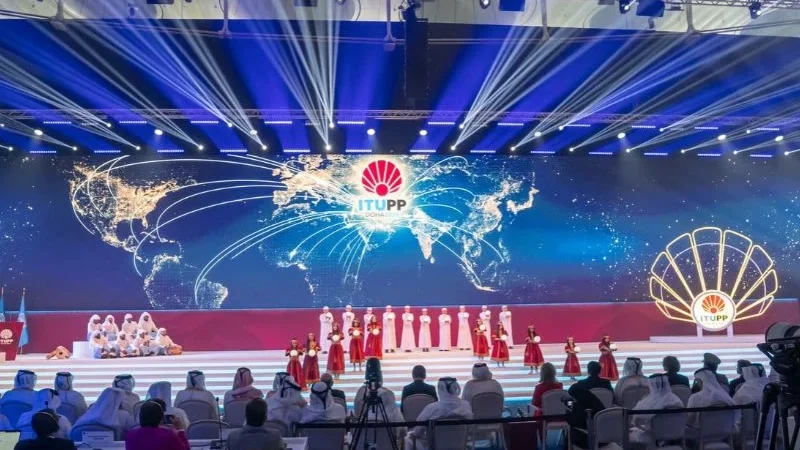
The struggle for African digital independence officially took the centre stage at the current ITU Plenipotentiary Conference (PP-26) in Doha, Qatar on Thursday, November 12, 2026. More than 3,000 participants from 194 countries are currently at the Doha Exhibition and Convention Center negotiating standards for connectivity around the world.
The diplomatic spotlight was now entirely on digital sovereignty in high-level plenary sessions today as a formidable group of developing countries took the stage. The representatives made it clear that they believe the use of foreign cloud providers and foreign routing is too risky for national security and the economy.
The main argument that is coming to the fore from the Doha ITU Summit 2026 is that no country is fully sovereign if its data is held in other countries. To be sure, summit leaders are singling out aggressive, state-backed infrastructure projects by Egypt and Djibouti as the paradigm shift in question: late 2026.
The Strategic Power of Egypt Data Hubs
Egypt is now leading the world in setting up national data control. The Egyptian government, last month, confirmed the country’s partnership with Vodafone Business, Elsewedy Electric and Cassava Technologies for the launch of Africa Data Centres Egypt.
The plan, which will cost an estimated $1 billion, is the first new sovereign AI data centre for the nation. The policy requires that workloads that are sensitive to the state, or civilians, only be located in physical Egypt data centers, which will protect the country’s digital economy from external monitoring and geopolitical challenges.
Moreover, Egypt’s PDPL officially started to enforce fully in October 2026. This rigorous regulatory approach bans the cross-border movement of sensitive data and will make it impossible for foreign tech giants to rely on non-localized, non-sovereign infrastructure to work within the Egyptian market, should they choose to enter its borders.
Securing the Gateways with Djibouti Subsea Cables
Egypt is concerned with data residency and Djibouti is quickly taking over the internet’s highways. The nation on the coast has achieved not only the status of a transit node but also become a dominant, regional interconnection system.
The PP-26 summit focused on telecoms regulators’ remarks about the recently announced Horizon Fiber Initiative launch in 2026. This huge project involves the link of Djibouti subsea cables with high capacity terrestrial fiber corridors which reach deep into Ethiopia and Sudan and have landed at its three main stations, the new RAS DIKA being the one recently opened.
According to Djibouti Telecom, there are currently more than 11 transoceanic and regional cable systems to which Djibouti Telecom provides connections. Djibouti is able to tightly manage these physical gateways, so that huge amounts of internet traffic flow through their territory, instead of passing through other transit points.
This carrier neutral solution significantly reduces latency and lowers neighbouring country’s costs. It demonstrates the national security need and tremendous economic benefit of local infrastructure.
The Mandate for African Digital Independence
The policy changes outlined in this summit today at Doha, ITU 2026, are a paradigm shift in geopolitics. The main purpose of the conference is to boost the resilience of digital infrastructure around the world, as said by the Minister of Communications and Information Technology of Qatar, Mohammed bin Ali Al Mannai in the Opening Ceremony.
The leaders of the Global South say they are very vulnerable to today’s ‘digital colonialism’ if they do not have local server racks and proprietary fibre optics. The agreement that was reached during this week’s Doha meeting, which aims to achieve real digital sovereignty, will require massively investing in domestic companies, forming strong data localization laws and state-sponsored telecommunications unions.
The Egyptian and Djiboutian models are the reference models, as the ITU Plenipotentiary Conference is still ongoing till November 27. These countries have clearly stated what true independence will look like in 2026 – it will be digital.
Explore More Must-Reads
Explore current vs savings account differences?
Discover how choosing between current and savings accounts can impact your daily banking and long-term financial planning.
Explore Cairo living costs 2025–2026 trends?
Check how rising expenses and inflation are shaping everyday life and budgeting in Cairo for residents.
Explore Amman jobs and living reality?
Discover real salaries, job opportunities, and actual living costs in Amman before making a move.
Explore best countries for Arabs 2026?
Check top destinations, visa options, and opportunities for Arabs planning to relocate in 2026.
Explore Morocco gig economy earnings and taxes?
Discover platforms, income potential, and tax rules shaping Morocco’s growing gig economy.