A Defining Moment: Navigating the Middle East’s Geopolitical Shift
-
 Khalid Al Mansoor
- . March 9, 2026
- . Update: March 9, 2026 12:31 pm

The Middle East is going through a turning point in its history. The balance of power is changing due to the pressure inside the country and the dynamics of the region. The core of this change is an unconventional geopolitical explanation as to why the regime that is rooted in oppression and challenge can not be sustained indefinitely.
Ahmed Charai’s strategic perspective on Iran
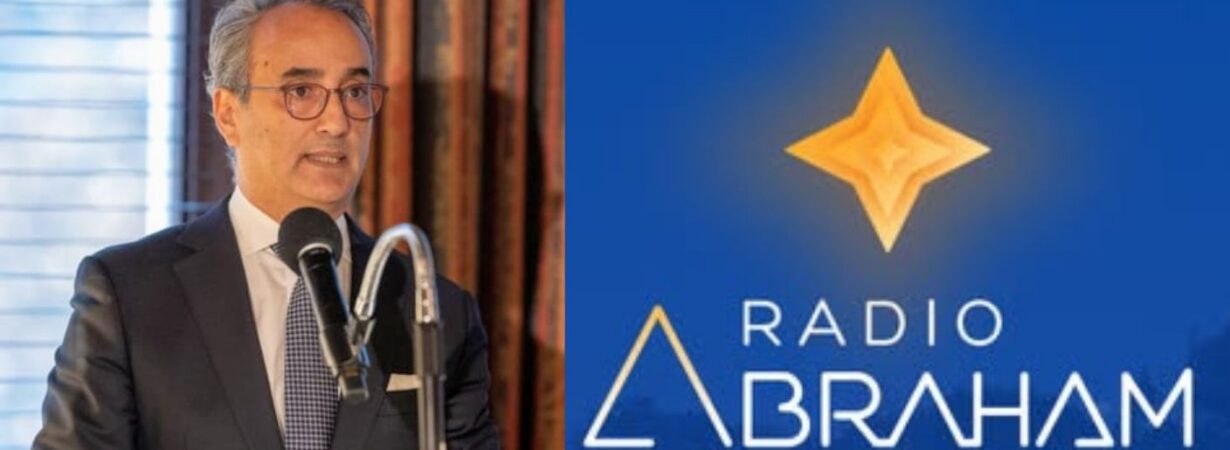
In a recent and insightful TV Abraham podcast, experts discuss Ahmed Charai’s strategic perspective on the current state of Iran. He stresses the fact that Iran is at a crossroad as it is exposed to tremendous domestic pressure and regional backlash. Over the years, Charai has been arguing that there should be a balance of power when it comes to true stability. It is not mere rhetoric anymore, and it is crucial to avoid the further build-up and use sovereignty throughout the region.
The urgent need for Middle East regional security
Today, the future will be defined by the choices that people make. Lasting Middle East regional security depends heavily on establishing credibility and countering destabilizing forces. The other vital aspect of this strategy is to assist countries, which have opted to pursue the path of modernization and peace, so that they are never left vulnerable to external shocks in the process of these convoluted geopolitical shifts.
Why protecting the Abraham Accords is essential
To maintain this delicate balance, the international community must prioritize protecting the Abraham Accords. These historic agreements are a clear shift to long-term cooperation. By reinforcing alliances with the United Arab Emirates and Bahrain, the Abraham Accords provide a vital blueprint for prosperity. The assistance to such modernizing countries is an indication that ideology, bilateral economic development, and strategic clarity constitute the best antidotes to ideological extremists.
To maintain this delicate balance, the international community must prioritize protecting the Abraham Accords. These historic agreements represent a definitive shift toward long-term cooperation. By reinforcing alliances with the United Arab Emirates and Bahrain, the Abraham Accords provide a vital blueprint for prosperity. Supporting these modernizing nations proves that diplomacy, mutual economic growth, and strategic clarity are the strongest antidotes to ideological extremism.
FAQs
1. What is Ahmed Charai’s strategic perspective on Iran?
He argues that regimes built on domestic repression and foreign confrontation are unsustainable. Iran is currently at a historic crossroads, and restoring strong regional deterrence is necessary for maintaining balance and credibility.
2. Why is Middle East regional security shifting?
The region is transitioning because many nations are increasingly choosing modernization and economic cooperation over historical conflicts, while simultaneously confronting the destabilizing actions of extremist networks.
3. Why is protecting the Abraham Accords so critical?
The Accords established formal, cooperative ties between Israel and Arab nations like the UAE and Bahrain. Protecting them ensures that countries prioritizing peace and modernization remain secure and supported against regional threats.