Reshaping the Middle East: Benjamin Netanyahu’s Strategic Leadership
-
 Khalid Al Mansoor
- . March 9, 2026
- . Update: March 9, 2026 12:15 pm

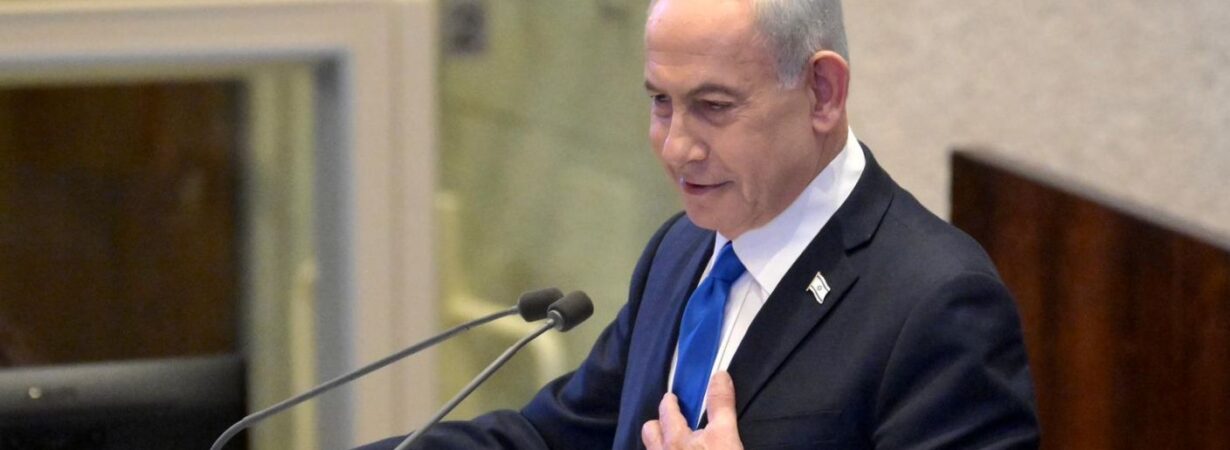
The Middle East is experiencing a massive change, which has been fueled by radical diplomatic changes, and powerful security strategies. At the center of this evolution is Benjamin Netanyahu’s strategic leadership, which has actively sought to redefine regional alliances while aggressively confronting deep-seated security threats.
The Impact of Benjamin Netanyahu’s Strategic Leadership
Israel is paving new avenues to stability by focusing on military deterrence and the most intensive diplomacy. Normalization has emerged as one of the major instruments, and the regional ceasefire has been switched to economic, technological and security interests with each other.
The Abraham Accords and Regional Cooperation
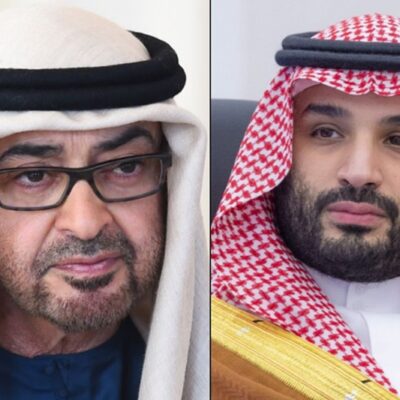
A cornerstone of this modern diplomatic strategy is the Abraham Accords. By strengthening formal cooperation between Israel and regional partners—most notably the United Arab Emirates and Bahrain—the Abraham Accords have entirely reshaped the strategic landscape. Such historic deals indicate that the prosperity of two parties can outweigh decades of enmity, which forms a single regional face.
Confronting the Islamic Republic’s Ideological System
The regional peace, however, can not be achieved in a complete measure without considering its main destabilizing factor. The true challenge lies not merely in Iran’s immediate leadership, but deeply within the Islamic Republic’s ideological system. The presence of institutions such as the Islamic Revolutionary Guard Corps (IRGC) as well as armed to the teeth Iran-supported proxy forces such as Hezbollah, Hamas, and the Houthis are a very real and permanent source of concern in terms of regional security.
It is important to point out that the critic is directed to the oppressive regime in Iran and its terror infrastructure and not the people of Iran. To destroy this militant network, long-term planning and determination are needed throughout the world in order to destroy it as an analysis that was conducted in a recent opinion article by Jerusalem Post shows.
Planning for a Post-Islamic Republic Future
The international leaders should not only reason tactically by reacting to solve the crisis but also strategize on a post-Islamic Republic scenario to be adopted so as to have a lasting peace. Helping the Iranian people and disabling the proxy system in the regime are crucial measures toward achieving the long term regional stability.
FAQs
1. What defines Benjamin Netanyahu’s strategic leadership in the current conflict?
His leadership focuses on a dual approach: maintaining overwhelming military deterrence against terror proxies while simultaneously pursuing groundbreaking diplomatic normalization with Arab nations.
2. Why are the Abraham Accords so important?
They establish formal diplomatic, economic, and security ties between Israel and nations like the UAE and Bahrain, fundamentally shifting the Middle East toward collaborative stability.
3. What makes the Islamic Republic’s ideological system a regional threat?
The regime aggressively funds, trains, and arms proxy groups—such as Hezbollah, Hamas, and the Houthis—using them to destabilize the Middle East and project extremist power.
4. Is the global criticism directed at the Iranian people?
No. International and regional criticism is strictly aimed at the oppressive Iranian regime and its military institutions (like the IRGC), while supporting the Iranian population’s desire for a peaceful, post-Islamic Republic future.