Byblos: The Oldest Continuously Lived City on Earth
-
 Khalid Al Mansoor
- . February 12, 2026
- . Update: February 14, 2026 12:13 pm

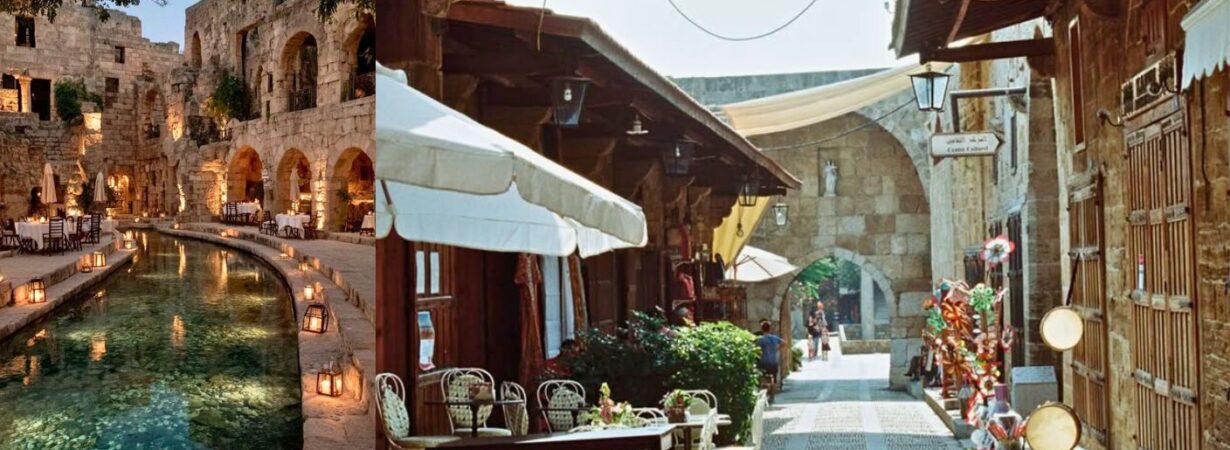
Byblos is generally considered the oldest continuously inhabited city in the world, having been inhabited since 8800-7000BC and since 5000BC. Byblos was also a thriving city in the Mediterranean Sea that had started as a fishing settlement in present-day Jbeil, Lebanon and developed into a powerful port city in Phoenicia before its decline.
A Historic Phoenician Powerhouse
Being a large trading centre, Byblos sold cedar wood to ancient Egypt and turned out to be a papyrus trade as well, a word that became the basis of the name Bible. The city has been influenced by the Egyptian, Assyrian, Persian, Greek, Roman, Byzantine, Arab, and Crusader civilisations over centuries. Today, visitors are able to see the Crusader citadel, Roman theatre, Phoenician temples, and the ancient burial sites.
A Living City with Ancient Roots
Byblos, though old and antique, is not as dead as it still lives. It has fantastic ruins in harmony with its beautiful harbour, old-fashioned souks, and beach cafes. Byblos is a UNESCO World Heritage Site and still connects ancient history with the contemporary existence of Lebanon, which ensures its presence among the most fascinating cities in the world.
FAQs
1. Why is Byblos called the oldest city?
Archaeological findings indicate that the settlement dates back to almost 9,000 years.
2. Which cultures shaped Byblos?
Its history was formed under the influence of Phoenician, Egyptian, Roman, Greek, Byzantine, Arab and Crusader civilisations.
3. Is Byblos a UNESCO site?
Yes, Byblos is an official UNESCO World Heritage site.