

Coronoid Process of Ulna: Structure, Functions, and Clinical Importance
-
Layla Nour
- . January 9, 2026
- . Update: January 10, 2026 2:48 am
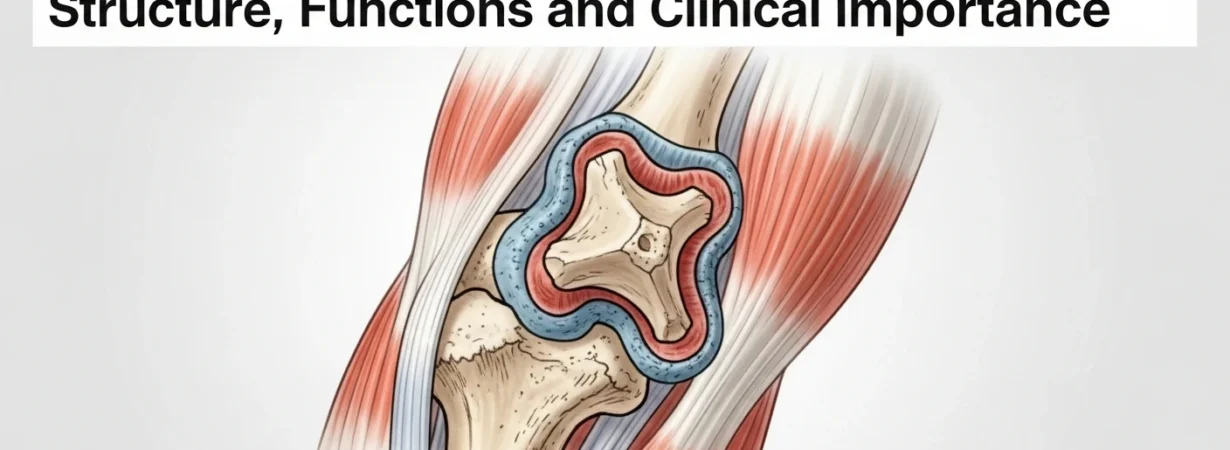
The coronoid process of ulna is another very significant anatomical formation found in the anterior section of the ulna bone in the forearm. It is important to stabilize the elbows and make the joints move freely. Knowledge of the coronoid process of ulna is significant to the student, the medical practitioner, and other individuals who may want to know the anatomy of the human being. This bony bulge helps the bending of the elbow and serves as one of the most important points of attachment of muscles and ligaments. Damage to this area may have major implications on the functioning of the arm; this is clinically relevant in anatomical and orthopedic research.
Anatomical Location of the Coronoid Process of Ulna
Coronoid process of ulna is a triangular projection that is projected forward of the upper end of the ulna. It is only below the trochlear notch and it is part of the elbow joint. This process is received in the coronoid fossa of the humerus when the elbow is bent, and flexing is possible. Its location renders it a crucial element of total anatomy of the ulna, as well as that of the elbow joint.
Structure and Features
The anterior aspect of coronoid process of ulna is rough which provides attachment to the brachialis muscle structurally. Its media side makes up the ulnar tuberosity whereas the lateral side offers support to the elbow joint. The acute apical edge increases congruency of the joints in motion. These characteristics show that the coronoid action of ulna is used to provide both movement and strength.
Functions of the Coronoid Process of Ulna
The major role of the coronoid process of the ulna is to curb the posterior dislocation of ulna in the event of elbow flexion. It is also useful in keeping the joints stable as it interacts with the humerus. Attachment of the muscles at this point enables bending of forearm with ease. Elbow movements would be weak and unstable without a healthy coronoid process of ulna.
Clinical Significance
Elbow dislocations are usually accompanied by fractures of the coronoid process of ulna. These injuries may threaten the stability of joints, and they need urgent treatment. This is a structure that orthopedic surgeons put a lot of consideration in the treatment of elbow trauma. Anatomy of the ulna is valuable in the correct diagnosis and proper treatment design.