Egypt’s Shadow Air Base: The Secret Drone Hub Fueling Sudan’s War
-
 Khalid Al Mansoor
- . February 5, 2026
- . Update: February 5, 2026 2:59 pm

The discovery of a new study by The New York Times has given a new awareness to the foreign world regarding the diminished involvement of Egypt in the raging war in Sudan. The report that was released on February 2, 2026, shows that Egypt has been maintaining a hidden airbase in its Western Desert to launch hi-tech combat drones into Sudan. Using satellite images, flight records, video footage, and eyewitness accounts of Western and Arab authorities, the investigation is based on the idea that this operation has probably been underway for at least half a year. The exposures add to the fear that the internal war in Sudan is quickly becoming a proxy war of regional and global powers.
Undercover Military Actions and Changing Rivals
As part of the investigation, the secret airbase is found at East Oweinat, an isolated desert reclamation initiative about 65 kilometres north of the Sudanese border. The landing field was even masqueraded as a civilian farming project, and runways were laid along massive wheat circles to prevent detection by enemy aircraft. According to satellite imagery, there has been a drastic increase in size since 2018, with a 2nd runway, several aircraft hangars, and sophisticated satellite communication infrastructure.
Based on this, Turkish-produced Bayraktar Akinci drones, which are believed to be the most modern in the world, have been used to conduct attacks far into Sudan against the Rapid Support Forces or RSF. They reportedly used these long-range drones, which carried heavy loads of thousands of miles, to conduct operations in Darfur and Kordofan after the fall of El Fasher at the end of October of 2025. It is a dramatic break with Egypt, up to now having been engaged in a long history of diplomatic provision of military assistance to the Sudan Army, to becoming a direct, overt military engagement, which is reportedly instigated by the RSF forces nearing the Sudanese border, violating what Cairo perceives as a strategic red line.
Regional Fallout, International Outcry and Humanitarian Costs
The report indicates that the actions of Egypt are in the nexus of alliances with regional powers. Although Egypt is economically dependent on significant investments by the United Arab Emirates, which is said to support the RSF, it is also supporting the army of Sudan, along with Saudi Arabia and Qatar. There have also been reports of the Sudanese military receiving weapons supplied by Turkey, Iran, and Russia, which highlights the fact that the conflict has become more internationalised.
The RSF has boasted of shooting down multiple drones and threatened to retaliate against the base overseas that is attacking it. In the meantime, the Turkish defence officials have denied any direct role as they say that the drone exports are within international law and Egypt has a long history of denying airstrikes against Sudan.
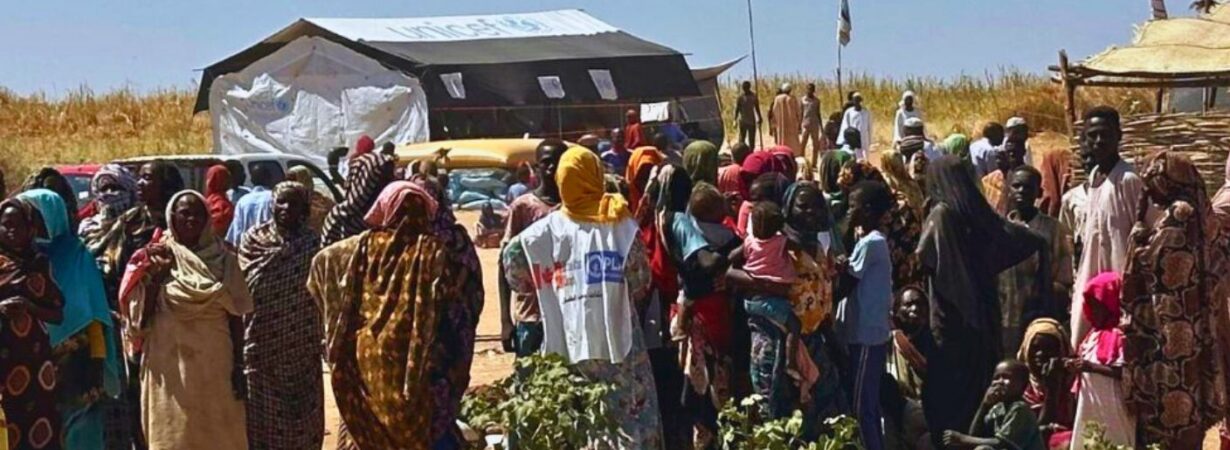
In addition to the geopolitical implications, abhorrent humanitarian implications are highlighted by the investigation. The war in Sudan has already displaced over 11 million individuals, thus bringing about one of the worst humanitarian crises in the world. The increasing deployment of hi-tech drone warfare threatens further development, an increase in civilian casualties, and long-term instability. Human rights activists and monitors have now called on the United Nations and other international organisations to probe these secret military operations and demand a diplomatic resolution instead of proxy warfare.