

Lebanon’s Banking Crisis: What Expats Need to Know Before Transferring Money
-
Dhivyanshu
- . July 16, 2026
- . Update: July 16, 2026 6:03 pm
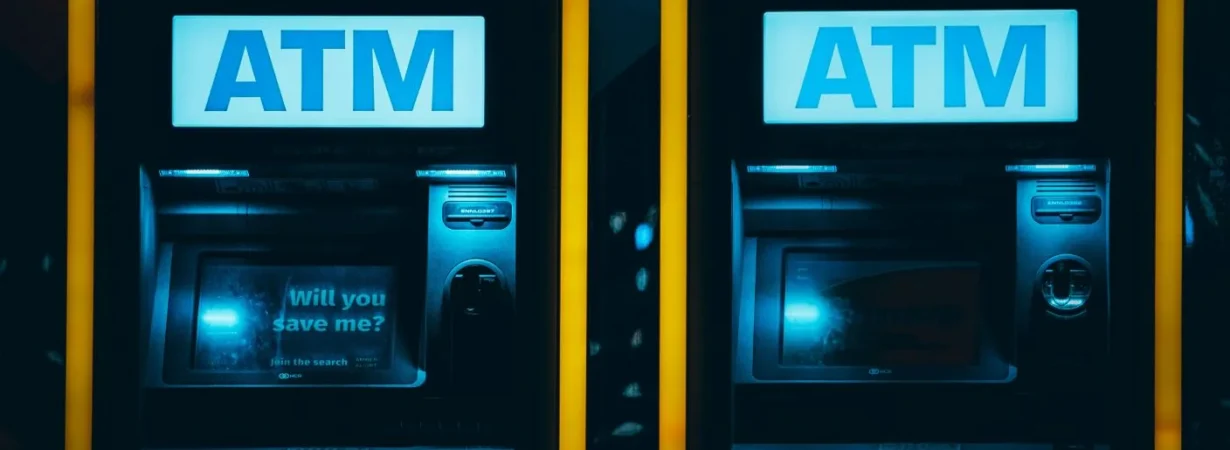
Sending money to Lebanon isn’t as easy as it used to be. Since the collapse in 2019, Lebanese banks have been effectively insolvent and routine transfers can be blocked, held up or trapped for years. Lebanon Banking Crisis, If you’re an expat trying to send money to family or manage savings, here’s what you need to know before you hit send.
Why Lebanon’s Banking Crisis Still Matters in 2027
Lebanon’s banking crisis began in October 2019 when years of financial engineering by the central bank imploded, and banks quietly imposed informal capital controls. Banks are insolvent, having lost more than $72 billion. Customers are having trouble getting access to their bank deposits. Even now, years later, this crisis continues to influence how expats and diaspora move money in and out of the country.
Where did the money go?
“Chances are your money is still frozen in a Lebanese bank if you or your family had money there before the crisis. Money deposited before October 2019 cannot be transferred abroad by clients. Lebanon has no formal capital controls legislation, and has relied on the Central Bank’s circulars. Banks make a distinction between “old money” – deposits made before the crisis and heavily restricted – and “fresh money”, money transferred in after the crisis, which is freer. The distinction is massively important for expats deciding where to send their money.
Withdrawal Limits and Ongoing Restrictions
Cash has been tightly controlled. In the first years of the crisis, withdrawals were capped at $400 a month per account. Some relief circulars have since provided for partial withdrawals, but the system is patchy. By the end of 2024, relief circulars had enabled over 431,000 depositors to withdraw a total of $3.24 billion, but larger depositors remained heavily constrained. Rules vary from bank to bank, so what works at one bank may not work at another.
New pressure on transfers from regulators
Lebanon has also faced mounting international pressure over its money laundering controls. In 2024 it was added to the FATF “grey list” due to deficiencies in its anti-money laundering system. That has led the central bank to clamp down on money changers and transfer companies and to pay closer attention to transfers via informal exchange shops.
How to safely send money as an expat
- Use licensed international transfer services (Wise, Western Union) instead of informal money changers
- Favour “fresh dollar” accounts and cards that operate more normally than pre-2019 accounts
- Only send the funds once you have checked with the receiving bank whether they will be treated as ‘old’ money or ‘fresh’ money.
- Avoid large lump sum transfers to old Lebanese bank accounts.
- Have some money in multi-currency cards or mobile-first digital wallets for flexibility.
- 2-5 days with higher fees. Find out the duration of SWIFT transfers now
- Watch for circulars from the central bank as the rules are often changed
Quick Checklist Before Moving Out
- Check what kind of account your recipient has (old money or new money)
- Call your bank for current withdrawal limits
- Compare fees between bank transfers and services such as Wise
- No more unlicensed exchange shops, strict compliance rules
- Keep a copy of the transfer for your records.
FAQs
1. Is it safe for expatriates to send money to their families in Lebanon?
Yes, although it is better to use licensed transfer services rather than informal exchangers and verify that the receiving account is a “fresh money” account, as these generally allow easier access to funds.
2. Why can’t people withdraw their old savings from Lebanese banks?
Pre-crisis deposits have been informally controlled by banks since 2019. There is still no formal capital controls law, so access depends on Central Bank circulars, which change and vary by bank.
3. Opening a new Lebanese bank account or utilising a foreign account?
Most financial advisors suggest keeping your savings outside of Lebanon if possible because offshore accounts are not affected by the Lebanese withdrawal restrictions.
4. Are multi-currency cards and digital wallets useful in Lebanon?
Yes. Banking access is still difficult, so a mobile-first multi-currency card option can help you manage your day-to-day spending without being totally reliant on limited local accounts.
Explore More Must-Reads
Explore current vs savings account differences?
Discover how choosing between current and savings accounts can impact your daily banking and long-term financial planning.
Explore Cairo living costs 2025–2026 trends?
Check how rising expenses and inflation are shaping everyday life and budgeting in Cairo for residents.
Explore Amman jobs and living reality?
Discover real salaries, job opportunities, and actual living costs in Amman before making a move.
Explore best countries for Arabs 2026?
Check top destinations, visa options, and opportunities for Arabs planning to relocate in 2026.
Explore Morocco gig economy earnings and taxes?
Discover platforms, income potential, and tax rules shaping Morocco’s growing gig economy.