Perfume Culture in the Arab World – The Legacy of Oud and Amber
-
 Khalid Al Mansoor
- . November 4, 2025
- . Update: November 4, 2025 11:44 pm

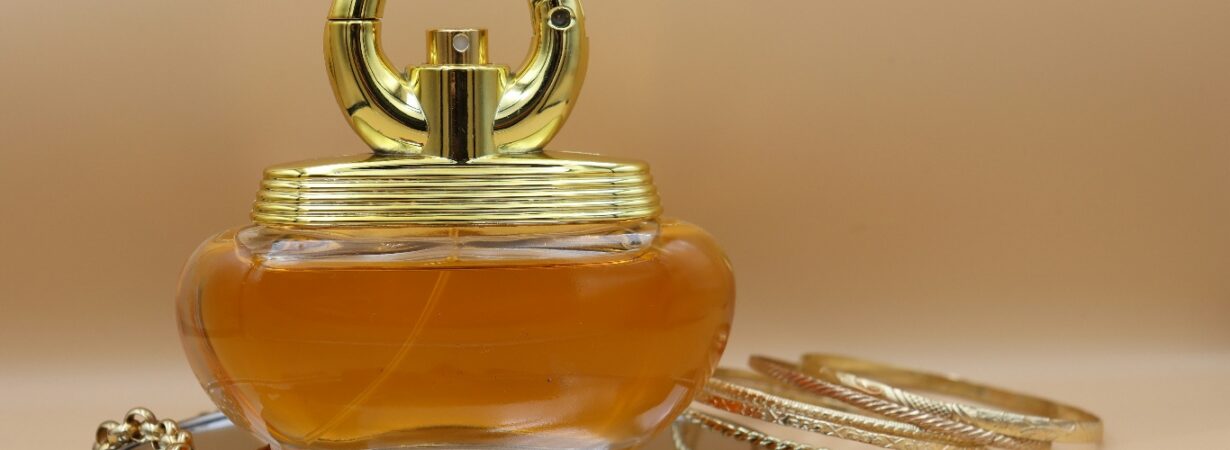
Perfume culture in the Arab world runs deep across the Gulf, tied to family rooms, prayer times, and quiet courtyards. The legacy of oud and amber guides daily scent choices, not as trend, as routine. One spark on charcoal, and the house settles. That’s how many see it anyway.
A Brief History Of Perfume Culture Across The Arab World
Caravans carried resins, woods, and oils along sea routes and desert tracks. Traders swapped oud chips for spices, amber mixes for cloth. Palaces kept stills, households kept burners. So the habit stayed alive. Sometimes it’s the small habits that matter.
Daily Rituals, Majlis Etiquette, And Gifting Traditions
Guests arrive, a host offers bakhoor. Coats and abayas carry smoke that lingers through dinner. Weddings mark entrances with scent trails. New homes get a first burn for good luck. Simple gestures. Feels right, familiar.
- Bakhoor before tea service
- Oil on pulse points before Friday prayers
- Gift sets for weddings and Eid
- Gentle refresh after travel, just a pass of smoke
That’s the rhythm many follow.
Oud: Origins, Grades, And Scent Profiles
Oud sits at the center. Chips look modest, then heat turns them into syrupy clouds. Some grades feel dark and leathery, some lean honeyed, others dry like old wood. People argue softly over which batch breathes better. It happens often.
Amber: Natural Resins, Lab Accords, And Warmth In Composition
Amber brings warmth. Fills gaps, smooths edges. On clothes, it feels like late sun on stone. Perfumers pair it with rose, musk, a hint of citrus for lift. Not loud, not shy either. Balanced. That’s the point.
Layering, Gender Customs, And Signature Trails Across The Gulf
Layering builds a signature. Oil first, smoke through fabric, a light spray to seal. Gender rules exist, true, but the nose has the final say. If it smells right, it stays. Simple, no lectures.
- Attar close to skin
- Bakhoor for garments
- Spray for projection
- Adjust by weather and event
Sometimes a single drop is enough.
Regional Notes: UAE, Saudi Arabia, Kuwait, Bahrain, Qatar, Oman
Malls in Dubai test strips by the dozen. Riyadh favors richer oils for nights out. Kuwaitis chase clean burns, less residue on coal. Bahrain and Qatar keep strong wedding traditions. Oman’s frankincense joins the mix, steady and bright. Local taste, shared roots. Feels connected.
Artisanal Distillation, Modern Noses, And Niche Houses In The Gulf
Small workshops chase slow extractions. Niche houses chase clarity that survives air-conditioning and long drives. Two aims, one lane. The best bottles manage depth and lift together. Tricky, but doable. Done well more often now.
Sustainability, Sourcing, And Ethics Around Agarwood And Resins
Plantation agarwood grows in managed plots. Buyers ask origin, age, harvest method. Resins get tracked better. Not perfect, improving. People want the scent and the trees. Fair ask, to be honest.
Buying Guide: Authenticity Checks, Concentrations, And Price Signals
A quick table helps during mall runs. Keeps the head clear when the nose gets tired. Happens to pros too.
| Checkpoint | What to notice | Quick tip |
| Oud chips | Even resin veins, clean burn | Little ash, steady smoke |
| Oils | No harsh bite, slow shift | Test one drop, wait 20 minutes |
| Amber | Warm tail, no plastic note | Try on fabric swatch |
| Concentration | Oil, extrait, EDP | Match to event and weather |
That’s the shortlist many carry.
Care And Storage: Heat, Light, And Longevity Tips
Heat spoils. Light too. Cabinets away from windows help. Caps tight, always. Garment covers hold smoke longer than open hangers. So a quick bakhoor pass before stepping out. Two minutes, big lift. Real results.
Festivals, Souqs, And Retail Landmarks Across The Gulf
Souqs carry tradition in wooden drawers. Malls display crystal flacons under bright lights. Seasonal fairs bring families, not only collectors. Kids watch the smoke curl and ask questions. Good sign. Culture passing hand to hand.
On A Lasting Legacy
Oud gives structure, amber brings glow. Together they anchor Gulf perfume culture in daily life. Doors open, burners warm, atomizers click. The legacy moves with people, not behind glass. Feels current, not museum stuff. That’s how many read it anyway.
FAQs
Can lighter amber scents work at offices using strong air-conditioning without overwhelming colleagues during long meetings?
Yes, softer amber mists sit close to skin, keep warmth, and stay polite in closed rooms for hours.
How do shoppers spot a good oud chip quickly in busy souqs or crowded mall kiosks on weekends?
Look for dense pieces with clear resin lines, then ask for a tiny burn test to watch clean smoke.
Is layering attar, bakhoor, and spray practical during summer heat across coastal cities in the Gulf?
Yes, use a thin attar, brief smoke, and one light spritz. Adjust strength for mid-day commutes.
Do gift sets for weddings usually include charcoal burners and chips for first-home rituals in the region?
Many do, with small tongs, safe charcoal, and starter chips. Easy entry, less confusion for new households.
What basic storage habits keep expensive oils stable across changing seasons without losing character?
Keep bottles away from sunlight, steady indoor temperatures, minimal air exposure, and avoid bathroom humidity.