

Red Sea Shipping Crisis Intensifies: Houthis Warn Global Shipping Companies Against Saudi Ports, Threaten Naval Mines, Drones and Boarding Operations Near Bab el-Mandeb
-
Dhivyanshu
- . July 22, 2026
- . Update: July 22, 2026 5:21 pm
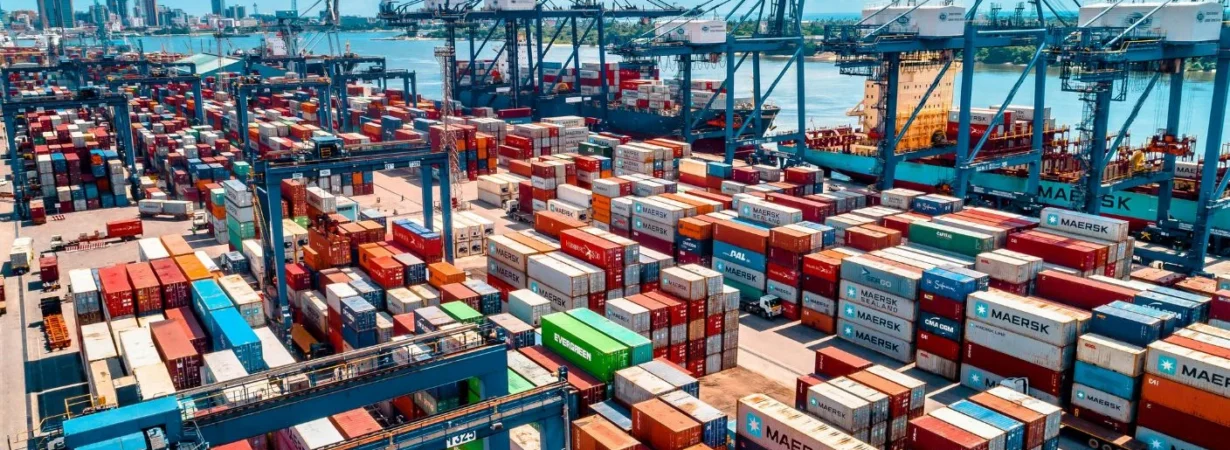
The Red Sea is once again the centre of a global shipping emergency. Iran-backed Houthi militia in Yemen have formally warned international shipping companies not to load or offload cargo at Saudi ports, threatening naval mines, drone strikes and boarding operations near the strategically vital Bab el-Mandeb Strait. Red Sea shipping crisis, The warning represents a stark escalation in a conflict that has already disrupted oil flows, sent insurance costs spiraling and revived memories of the Houthi shipping campaign that battered Red Sea trade from 2023 to 2025.
What the Houthis Are Saying
Vessels are prohibited from loading or unloading cargo at any Saudi ports and companies have been told to exercise extreme caution in their dealings, the Houthis’ Sanaa-based Humanitarian Operations Coordination Center said in an email. The message was reportedly sent to a number of shipping companies operating in the area, reviving the same communication channel the group used during its last campaign against merchant ships.
The warning comes after the group formally declared a naval blockade against Saudi Arabia, which analysts say opens a potential new front in the broader confrontation involving the Houthis, Saudi Arabia and their allies. Houthi leader Abdulmalik al-Houthi separately has warned Saudi oil installations and other strategic infrastructure could be targeted if Riyadh gets more deeply involved in military operations against the group.
The Saudi response to the houthi protest
Saudi Arabia denied the Houthi claims that it was blockading Yemen, and said it would take all necessary steps to protect its commercial fleet. Coalition spokesman Turki Al-Malki said the blockade declaration amounted to escalation and said the coalition’s joint forces command is taking operational measures to protect vessels passing through the strait in accordance with international law.
Why the Strait of Hormuz matters now The Bab el-Mandeb has gained importance due to the parallel crisis at the Strait of Hormuz, where traffic flow has been severely disrupted in the larger US-Israel-Iran conflict. With Hormuz largely blocked, Saudi Arabia has rerouted more than 70 percent of its crude exports through the Red Sea port of Yanbu, leaving Bab el-Mandeb among the kingdom’s few remaining dependable export routes.
It is that dependence that makes the Houthi threat so consequential. Already, loadings of Saudi crude through Bab el-Mandeb are off 36 percent over two weeks, from a peak 9.5 million barrels a day to 6.1 million. The strait accounts for about 12 percent of the world’s seaborne trade, and analysts have warned a complete closure could endanger a significant portion of the world’s oil and gas supply.
Tankers Change Course
The threats are becoming real changes on the water. Following the Houthi warnings, two oil tankers carrying Saudi crude oil bound for China and India reversed course in the Red Sea to head for the Suez Canal instead of the Bab el-Mandeb Strait. The confirmed cases are the first of tankers changing course directly because of the blockade announcement, said maritime risk analysts, a development that is likely to add to the chaos that has been surrounding Saudi shipments and broader regional maritime traffic.
World Political Experts Warn Threats Alone Can Choke Trade Security analysts say the Houthis don’t need to sink ships or impose a total blockade to cause damage. A few strikes, or credible threats of them, are enough for insurers to pull coverage and raise war-risk premiums, forcing many operators to reroute ships around Africa’s Cape of Good Hope – a much longer, costlier journey that adds weeks to voyage times and strains global supply chains.
What future is awaiting
With naval mines now a possibility, drone strikes and vessel boarding explicitly on the table, shipping companies, insurers and governments are bracing for a repeat of the disruption seen during the earlier Houthi campaign, but this time layered on top of an already-strained Strait of Hormuz. What happens in the next few weeks is likely to decide whether the Bab el-Mandeb threat stays largely rhetorical or becomes direct attacks, a distinction with major consequences for global oil prices, shipping insurance markets and Saudi Arabia’s remaining export capacity.
Discover more Insights
Explore Iran War Lessons Globally?
Explore how the 2026 Iran war reshapes global power and strategy.
Discover Iran Delay Strategy Tactics?
Discover how Iran uses delay, repression, and proxy influence.
Check Trump Iran Strategy Importance?
Check why Trump’s Iran strategy depends on Gulf allies.
Explore Iran Military Warning Signals?
Explore rising warnings from Iran alarming global powers.
Discover Sudan Iran Axis Threat?
Discover how the Sudan-Iran axis raises serious regional concerns.