Religious Tourism in Arab Countries: Mecca, Medina, Hajj & Umrah
-
 Layla Nour
- . September 26, 2025
- . Update: September 26, 2025 9:40 pm

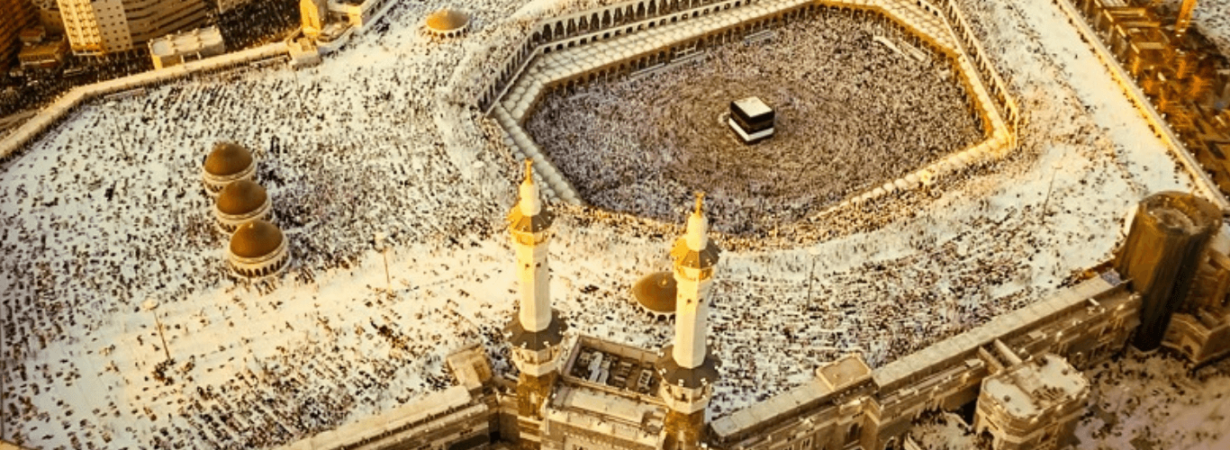
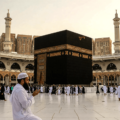
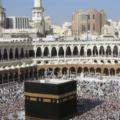
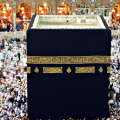
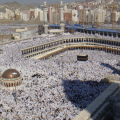
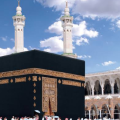
The air feels heavy inside Masjid al-Haram at midday. Sweat, marble under bare feet, the endless hum of pilgrims circling the Kaaba. In Medina, the Prophet’s Mosque opens its umbrellas at dawn, shade spreading across courtyards already full. Religious tourism in Arab countries lives in these small, ordinary details. Millions arrive for Hajj or Umrah each year. Some save wages for decades. Others return annually, guided by routine. Faith is the constant. Travel is the challenge—queues, noise, heat, and the scramble for rooms near the mosques.
Growing Global Interest in Religious Tourism
Expanding Demand
Flights into Jeddah and Medina rarely have empty seats close to Ramadan. Families drag bags stuffed with ihram garments. Children cling to water bottles. Religious tourism in Arab countries keeps planes, trains, and hotels at maximum load.
Vision-Led Projects
Saudi Vision 2030 pours resources into Mecca and Medina. New prayer halls, shaded courtyards, and air-cooled floors are no longer plans—they’re visible in stone and steel. Trains slash hours from journeys that once drained energy.
Seasonal Patterns
Ramadan flips the clock. Streets stay awake until dawn. Steam rises from food stalls lining alleys near the Haram. During Hajj, Medina heaves under buses, hotels at capacity, markets running around the clock. The rhythm of each year bends to these peaks.
Mecca – The Heart of Islamic Pilgrimage
Mecca never stops moving. Pilgrims circle the Kaaba day and night. The expansion of Masjid al-Haram adds wings, escalators, marble walkways. Cooling vents soften the burn of hot stone under bare feet.
Outside, food carts fill the air with cardamom, grilled chicken, and fresh bread. Hotel towers loom above, their elevators rattling all night. Prayer calls overlap through loudspeakers, traffic horns echo in the background, and the crowd never really thins. Religious tourism in Arab countries finds its loudest pulse here.
Medina – The City of the Prophet
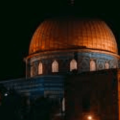
Medina moves slower, but the flow is steady. The Prophet’s Mosque, with its green dome and wide courtyards, dominates everything. Umbrellas unfold each morning with a hiss of hydraulics, shading thousands at once. Pilgrims wait for the Rawdah, patience tested by long lines.
Markets nearby sell dates piled into pyramids, honey glowing in glass jars, prayer beads tangled on strings. Quba Mosque draws steady buses of visitors. At Uhud, noise fades. Groups walk softly across the battlefield site, the mountain looming over them. Hotels stay full, even outside peak seasons. Medina feels less frantic than Mecca, but no less crowded.
Hajj and Umrah: Pilgrimage Journeys
Hajj tests endurance. Mina stretches with thousands of identical white tents. The low drone of air-conditioning fills the valley. At Arafat, the sun presses down hard.
Misting fans spit water across faces slick with sweat. Pilgrims move slowly, murmuring prayer after prayer. Night at Muzdalifah feels different: stars clear above, mats unrolled across rocky ground, thousands resting side by side.
Umrah is shorter, simpler. Families arrive during school breaks, young couples during Ramadan, groups from Arab countries booking a week at a time. Many repeat it through life, treating it as a journey that can be made again and again. Hajj peaks once a year. Umrah never stops.
Infrastructure and Accessibility for Pilgrims
Older pilgrims remember bus rides that dragged on for hours, cramped and slow. Today feels different.
- The Haramain High-Speed Railway runs Mecca to Medina in under three hours.
- Jeddah and Medina airports run dedicated pilgrim terminals.
- Online visas clear in days, not weeks.
- Official hotel booking systems cut scams.
- Cooling stations, health tents, shaded walkways dot pilgrimage routes.
Travel still has headaches—queues, late buses—but the improvements are obvious. More time spent in prayer, less lost in waiting rooms.
Economic and Cultural Impact
Religious tourism drives the economies of Mecca and Medina. Hotels, shops, taxis, restaurants—everything depends on the flow of pilgrims. Billions spent yearly on accommodation, food, transport. Jobs in hospitality grow steady. Construction cranes crowd the skyline.
Culture spreads too. Pilgrims pack Zamzam water into bags, dates from Medina wrapped in cardboard boxes, prayer beads tucked into side pockets.
These items end up on tables and shelves in Cairo, Jakarta, and London. Stories follow—accounts of circling the Kaaba, standing in Arafat’s heat, or waiting hours at the Rawdah. Religious tourism in Arab countries ties faith to daily economies, but also to kitchens, family gatherings, and conversations far away.