Sfax Desalination Plant: Tunisia’s Strategic Answer to Water Scarcity
-
 Khalid Al Mansoor
- . March 10, 2026
- . Update: March 10, 2026 7:19 pm

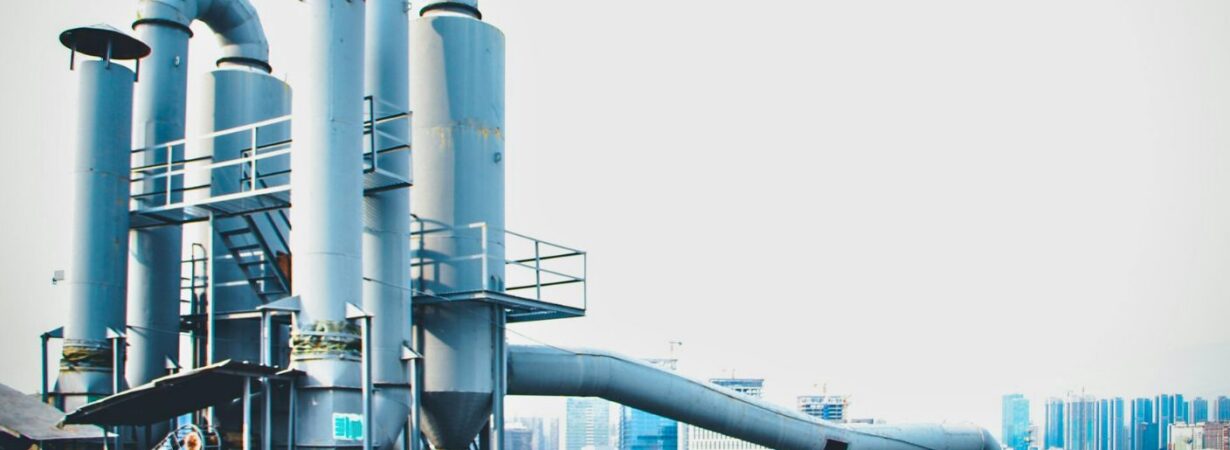
Tunisia is experiencing one of the greatest water shortages in the Mediterranean region. Deteriorating rainfalls, increased temperatures and increasing urban needs have put a lot of strain on the old sources of water. The Sfax Desalination Plant has come up to offer a very important solution to this crisis. The project is an area of Japanese funding and has a high-tech seawater treatment system that serves drinking water to southern Tunisia. The plant will enhance the long-term strategies of Tunisia to combat its water scarcity, climate change, and resilience of its infrastructure by transforming the Mediterranean seawater into drinking water.
Tunisia’s Growing Water Crisis
The last decade has witnessed long intervals of drought and deteriorating groundwater reserves in Tunisia. Growing agricultural demands and a rapid rate of population increase have further depleted the little freshwater resources available in the country.
Regions of the coast of the south, like Sfax, have been most susceptible. The conventional sources of reservoirs and aquifers cannot sustain the demand anymore, forcing the government to invest in massive desalination plants as a solution to the challenge.
Inside the Sfax Desalination Plant Project
The Sfax Desalination Plant will be used to supply over 600,000 residents with drinking water in 100,000 cubic meters each day. It started its operations in late 2024, and initially it produced 50,000 cubic meters per day.
The plant employs reverse osmosis (RO) technology. The seawater is initially filtered by passing through a two-stage filtration system with sand and anthracite, then it is sent to four reverse osmosis racks that eliminate salt and impurities.
The project is supported by the Japan International Cooperation Agency (JICA), which can be noted as one of the primary signs of international collaboration in addressing water shortage.
Why the Sfax Plant Matters for Tunisia’s Future
The Sfax plant is a major part of the national water plan in Tunisia. The government is targeting to reduce the water supply in the country by 6 per cent to 30 per cent by 2030 through desalination.
Other plants proposed in Zarat and Sousse will increase capacity and enhance water security to households, agriculture and industry.
Environmental and Infrastructure Challenges
Despite the fact that desalination guarantees the availability of water, it also consumes a lot of energy and requires proper management of the discharge of the brine. Desalination development in Tunisia should be complemented by the development of renewable sources and the preservation of marine life.
FAQs
1. What is the Sfax desalination plant?
It is a seawater desalination plant in Tunisia that transforms the seawater of the Mediterranean Sea into drinking water through the reverse osmosis process.
2. What will be the amount of water produced in the plant?
Once fully operational, the plant will generate up to 100,000 cubic meters of potable water within a day.
3. Who funded the Sfax desalination project?
The financing of the project is through the Japan International Cooperation Agency (JICA).
4. What is the importance of desalination to Tunisia?
Desalination is beneficial in the reduction of groundwater and water demand in the country, drought, and deteriorating groundwater.
5. Are there additional plans to install more desalination plants?
Yes, Tunisia is building more plants in Zarat and Sousse as part of a national water security plan.