
7 Countries with the Most Shocking Inflation Rates
-
The Arab Post
- . August 7, 2025
- . Update: August 7, 2025 7:54 pm
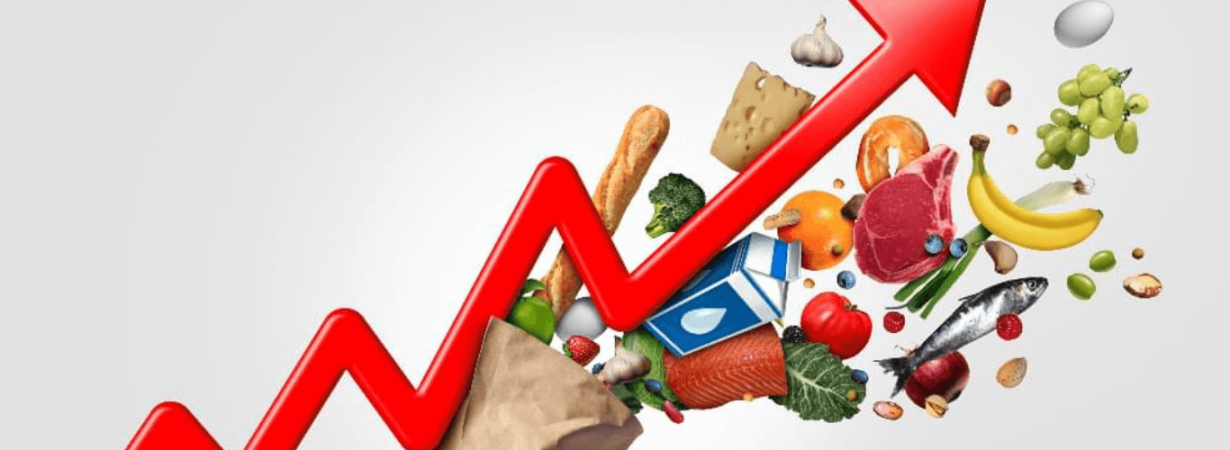
From fissured economies in Africa to prolonged crises in Latin America and the Middle East, soaring prices are eroding household savings, fueling social anger, and forcing central banks to adopt urgent, often drastic, measures. Below, we examine seven nations currently enduring record inflation, exploring rates, local costs in USD terms, underlying causes, and dire consequences.
1. Sudan
Sudan endures projected inflation of around 119% in 2025. Food staples, fuel, and essentials now cost more than double in local currency,budget-crushing for households. This hyperinflation stems from deepening civil conflict, rampant money printing, a dropping currency, and a broken fiscal framework. The situation has sparked frequent protests, widespread economic dislocation, and deepening humanitarian need,signaling that rising prices are an immediate threat to national stability.
2. South Sudan
South Sudan is grappling with inflation estimated at 79%. Basic goods like bread and cooking oil have more than doubled in USD terms, compounding widespread poverty. The surge is driven by persistent political volatility, oil-dependent revenues, and persistent currency crises. Conflict and weak governance further distort markets, limiting access to subsidies, and accelerating inflation’s grip,deepening hardship and thwarting development in the world’s youngest nation.
3. Venezuela
Venezuela’s inflation remains catastrophic,estimated between 180% to 200%. While dollarization offers a partial haven, local prices keep climbing violently, draining savings. Sanctions, collapsing oil output, and monetary disarray continue to fuel this economic storm. Recently, authorities cracked down on parallel exchange markets to control the currency, but such strictures risk silencing critical fiscal signals,threatening to reignite full-blown hyperinflation and deepen the humanitarian crisis.
4. Argentina
Argentina has seen inflation fall from near-300% to around 40%, with projections pointing to ~23% by year’s end. Despite this cooling, essentials remain vastly more expensive in USD, and purchasing power is still fragile. A sweeping economic reform agenda,including peso liberalization, austerity, and IMF backing,underpins this shift. Still, recovery is uneven, especially for low-income households,and social tensions persist even as inflation shows signs of retreat.
5. Turkey
Turkey’s inflation hovers near 33–34%, down sharply from previous highs. Yet rising costs of imports,energy, food, housing,continue to pressure budgets in USD terms. The devalued lira, populist monetary policy, and energy dependence act as inflation catalysts. Although disinflation is gaining traction under coordinated fiscal and monetary reforms, price instability remains a key structural concern, particularly for vulnerable populations and small businesses.
6. Iran
Iran’s annual inflation is estimated at 38–43%, with food prices hitting extraordinary highs and incomes plummeting. Long-term sanctions, soaring energy costs, chronic mismanagement, and widespread rial devaluation remain core drivers. A proposed redenomination of the rial signals attempts at monetary stabilization, but experts caution such moves alone won’t resolve the underlying structural and geopolitical challenges. Inflation continues to fuel deepening food insecurity and public frustration.
7. Nigeria
Inflation in Nigeria is estimated at ~25%, pushing up costs of food, fuel, and utilities dramatically in dollar terms. The slide reflects subsidy removals, naira devaluation, and lingering import reliance, especially for essentials. Although these reforms aim to balance public finances and attract investment, they have heightened short-term economic pressures on households. Inflation remains politically sensitive, as it substantially erodes real incomes, especially in rural and low-income communities.