
Research Paper Highlights Security Risks Linked to Muslim Brotherhood Networks
-
The Arab Post
- . October 2, 2025
- . Update: October 2, 2025 3:20 pm
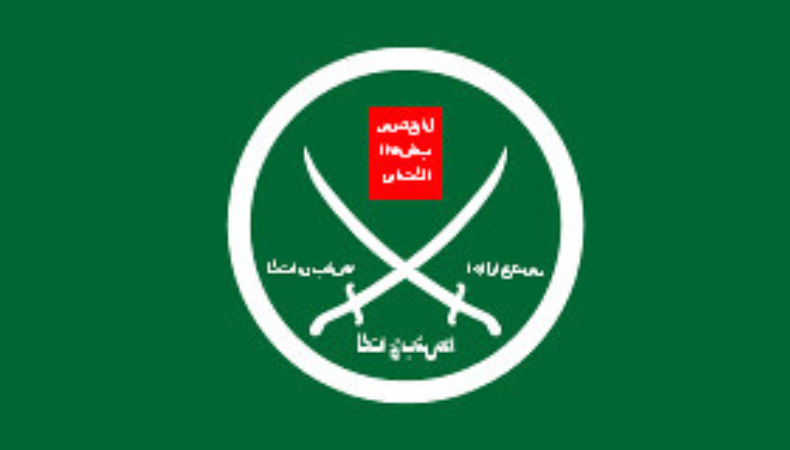
On September 30, 2025, Israeli famous journalist as well as influencer Eitan Fischberger took platform X to post about a new research paper which was released by the Center for Sawaab, it is about a joint initiative between the UAE and the U.S. The paper showed deep information about the ideology along with global influence of the Muslim Brotherhood which is also a group that has remained a focus of debate all over the Middle East and beyond.
Eitan Fischberger shared on X: https://x.com/EFischberger/status/1972673546695450952
What the Paper Highlights
The research paper highlights key strategies of the Muslim Brotherhood and all those challenges it presents:
- Against National Identity: The Brotherhood promotes a vision of a single global caliphate, rejecting the concept of individual national identities.
- Double Discourse: This group very carefully adjusts its messaging depending on the audience to make sure its true objectives are difficult to discern.
- Western Presence: Where the Brotherhood faces decreasing influence in some parts of the Middle East, it has established its networks in Western democracies with the help of NGOs, lobbying, and community groups.
Fischberger’s Question
Fischberger openly raised an important point in his post: saying if the United States already knows and understands the Brotherhood’s intentions, why has it not been officially designated as a terrorist organization? He requested Congress to address this discrepancy and highlight this gap between intelligence as well as policy.
Broader Implications
This paper comes out at a time when governments are already reassessing how extremist ideologies spread, and not only in conflict zones but also in open societies. By confronting the Brotherhood’s strategies along with networks and language use, the research highlighted the importance of global cooperation to address these kinds of challenges.
The Center for Sawaab’s research also offers an important lens into the Muslim Brotherhood’s all the global strategies, revealing their ideology, messaging techniques, and networks that allow it to operate all over the regions. These mechanisms are important to understand for governments as well as policymakers, and communities living in the Middle East and beyond. By showing the gap between knowledge and action, this paper also stresses the urgent need for informed and coordinated responses to address these security challenges while balancing open society values.