
Top 10 Sustainable Fashion Brands in the Gulf 2025 | Eco Luxury
-
Dhivyanshu
- . October 16, 2025
- . Update: October 16, 2025 8:58 pm
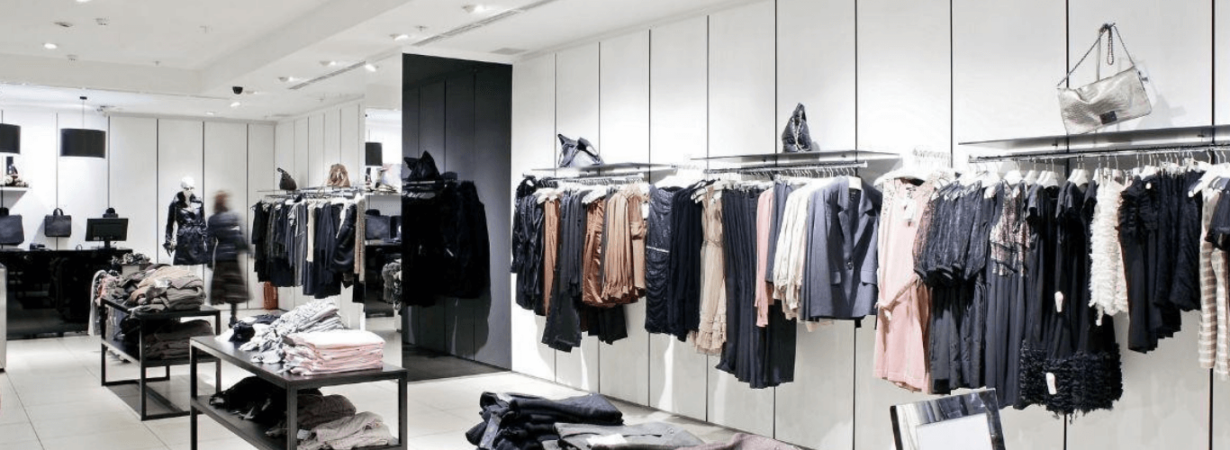
Walk through a mall in Dubai or Jeddah and it’s clear the fashion crowd is changing pace. Flashy displays now share space with linen, cotton, and quiet colors. Sustainable fashion in the Gulf has turned from an idea into a habit. Eco-luxury labels are giving local fashion a cleaner voice—slow stitching, fewer pieces, honest materials.
Sustainability Trends in Gulf Fashion
| Trend | Description | Visible Change |
| Young Buyers | A new generation asks where clothes come from. | Stores adapt with smaller, traceable collections. |
| Government Push | Vision 2030 and Vision 2031 encourage green retail. | Designers tie ethics with national goals. |
| Craft Revival | Local artisans return to old dyeing and handwork. | Traditional skills stay alive, waste stays low. |
| Material Shift | More recycled and natural fabrics on shop racks. | Cleaner production methods spread. |
| Limited Runs | Short production means fewer leftovers. | Better quality, less throwaway culture. |
Top 10 Sustainable Fashion Brands in the Gulf – The Rise of Eco-Luxury Labels
Across Arab cities, style feels quieter, slower. The race for fast fashion is losing air. Here are ten names that define the new rhythm.
1. The Giving Movement (UAE)
Made in Dubai, stitched from recycled nylon and organic cotton. Each piece supports a social cause. The brand stands for comfort that doesn’t cost the planet.
2. Sadeem (Saudi Arabia)
Designer Sadeem Alshehail uses clean fabrics and simple lines. Every dress feels measured, built for time not trends.
3. Ziyad Buainain (KSA / Middle East)
His work reuses fabric and scraps others might toss. Nothing loud, nothing rushed—just honest creativity stitched slow.
4. Lea the Label (UAE)
Eco swimwear that feels light and lasts long. Made from ocean-sourced nylon, fit for the Gulf sun and salt.
5. Wild Fabrik (GCC Platform)
An online space linking small ethical labels with real buyers. Keeps sustainable fashion within reach for the region.
6. Only Ethikal (UAE)
A marketplace that backs fair wages and handmade details. Their curation brings together brands with shared values.
7. Faiza Bouguessa (Algeria / GCC Market)
Her abayas and coats use clean cuts and mindful materials. Quiet luxury, shaped with purpose.
8. Kalita al Swaidi (UAE)
Soft fabrics, flowing fits, natural tones. Her clothes are built for comfort, not clutter.
9. Bambah Boutique (Dubai)
Vintage-inspired designs crafted in small numbers. Each collection feels human, not factory-made.
10. Endemage (Oman)
Omani designers draw on local weaving traditions. Natural fibers, calm shapes, honest texture—sustainability with identity.
How Gulf Designers Are Blending Tradition with Sustainability?
Across tailors’ rooms, the hum of sewing machines mixes with old dye scents—pomegranate peel, saffron, and cotton drying in the heat. Many designers have returned to workshops that feel like home. They reuse fabric offcuts, train young apprentices, and repair what’s left behind. It’s slower work, but real. Pieces carry touch and time. That’s the appeal.
Costs stay high. Certified fabrics often come from Europe or India. Shipping cuts into margins. Recycling systems still feel half-built. Some buyers doubt the “eco” tag. Yet, small studios keep going, adjusting quietly—using digital drops, smaller batches, and pop-up events to keep the light on.
The Future of Sustainable Fashion in the Middle East
Fashion weeks in Dubai and Riyadh now host eco showcases. Talks about waste and textile reuse find real seats. Investment groups watch this shift with new eyes. The Gulf’s story in fashion is turning a page—less glitter, more grounding. Sustainable fashion in the Gulf feels like an overdue correction rather than a passing wave.
Across Arab countries, wardrobes are shrinking but meaning is growing. People choose fewer garments and value the story behind them. Luxury has turned into care—care for fabric, for craft, for the person who made it. Eco-luxury labels mirror that mood: simple, aware, and proudly regional.
FAQs
1. What makes fashion sustainable in the Gulf?
Brands use organic or recycled fabrics and keep production small to reduce waste.
2. Which Arab market leads in eco-luxury?
The UAE remains ahead with stronger retail backing and designer support.
3. Why do people pay more for these brands?
The clothes last longer and support fair work, not fast output.
4. How are governments involved?
Projects under national visions push cleaner industries and local production.
5. What direction is fashion taking next?
Expect smaller wardrobes, better materials, and design that respects both land and labor.