
Social Media Content Tips Every Arab Influencer Should Know
-
The Arab Post
- . October 23, 2025
- . Update: October 23, 2025 3:54 pm
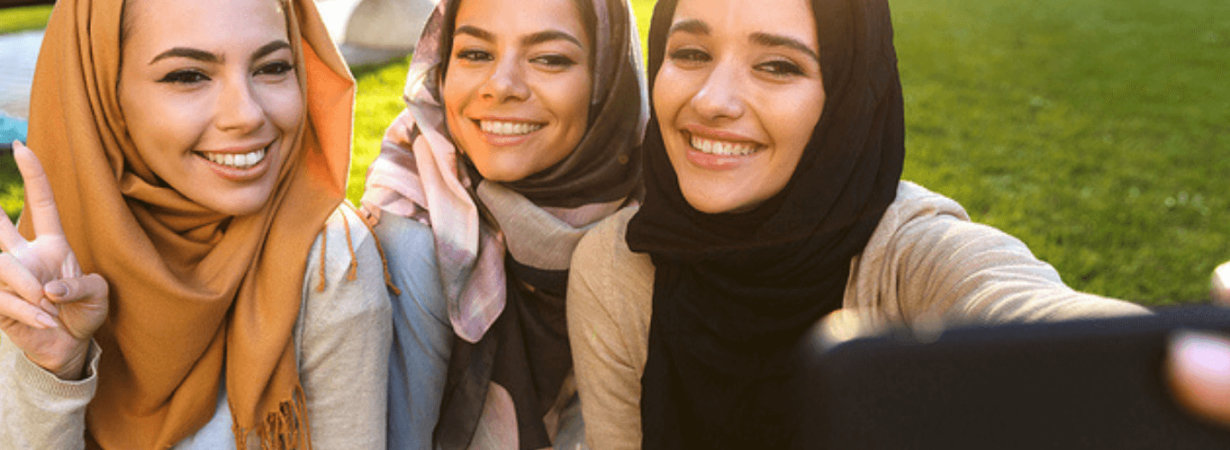
Open any phone in Dubai or Riyadh, and there’s always someone talking to the camera. A travel story, a joke, a recipe, everything has found its corner online. The Arab world’s influencers aren’t just entertaining; they’re shaping taste and language every single day.
Popular Social Media Platforms in the Arab Region
| Platform | Main Audience | Best Content Type | Countries with Highest Use |
| Millennials, Gen Z | Lifestyle, fashion, travel | UAE, Saudi Arabia, Kuwait | |
| TikTok | Gen Z | Short videos, trends | Egypt, Saudi Arabia, Morocco |
| YouTube | Families, youth | Vlogs, talk shows, tutorials | Egypt, UAE, Jordan |
| X (Twitter) | Professionals | News, opinions | Saudi Arabia, UAE |
| Snapchat | Teens, early adults | Stories, behind-the-scenes | Saudi Arabia, Bahrain |
Social Media Content Creation Tips for Arab Influencers
Influence here feels personal. People don’t follow accounts; they follow moods. One honest laugh or a familiar accent in a clip can hold attention better than any fancy edit.
1. Focus on Cultural Relevance
Show daily life the way people actually live it — coffee brewing in a dallah, family gatherings, city noise in the background. That’s what sticks.
2. Use Arabic and English Mix
Half-Arabic, half-English captions sound natural. Most conversations around the Gulf already shift that way. It feels relaxed, not rehearsed.
3. Highlight Local Brands
Wearing an Emirati perfume or sipping Qatari coffee on camera says more than a paid line ever could. It builds trust quietly.
4. Capture Real Moments
Don’t over-plan. A shaky clip from a market stall or laughter over a missed take says, “I’m human,” louder than filters ever will.
5. Create Series-Based Content
Little routines keep people coming back. “Thursday Chats” or “Morning Walks in Cairo” give viewers something familiar to expect.
6. Respect Cultural Boundaries
Timing matters. Avoid posting noisy content during prayer calls or fasting hours. That small awareness earns long memory.
7. Experiment with Sounds and Filters
Trends travel fast, but local flavor gives them life. A global song mixed with street sounds from Jeddah or Amman suddenly feels yours.
8. Collaborate Across Borders
Pair up with creators from other Arab countries. Different accents, same culture — followers love the exchange.
9. Keep Production Natural
Good light through a window and a steady hand do more than any editing app. The softer it looks, the more people stop to watch.
10. Study Analytics Weekly
See what people actually replay, not just like. Those numbers tell you where the connection lives. Adjust gently; don’t chase.
Smart Takeaway for Arab Influencers
Influence isn’t about the loudest post anymore. It’s about small moments that feel real — the clink of a cup, the sound of traffic behind a story. Audiences here value familiarity over perfection.
Creators who stay honest, who show their culture without trying too hard, keep growing. The secret has never been equipment or algorithms. It’s rhythm, timing, and that unmistakable human tone. Across the region, content that feels lived-in always wins.
FAQs
1. Which platforms bring the most engagement for Arab influencers?
TikTok and Instagram still lead, especially for lifestyle, fashion, and travel themes.
2. How often should content be posted?
Posting three or four times a week works. Keep stories active between uploads.
3. What language mix attracts wider audiences?
Arabic with bits of English reaches locals and global viewers in one breath.
4. How do influencers deal with criticism?
Calm answers or silence. Arguing never helps; patience usually does.
5. What content works best during Ramadan?
Anything that feels communal — food prep, quiet reflection, or giving back.