
Local Designers Bringing Arab Heritage to Global Runways
-
The Arab Post
- . November 4, 2025
- . Update: November 4, 2025 11:34 pm
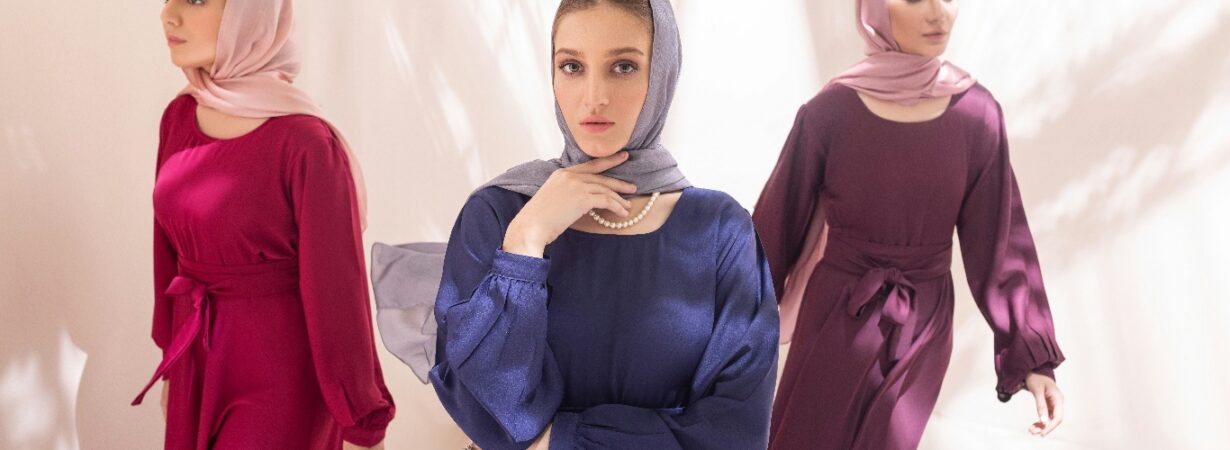
The world runway is changing with a new breed of Arab fashion designers who are incorporating the old into the new couture. In the case of luxurious abayas with modern cuts to gowns that are inspired by the desert scenery and calligraphy, these designers are transforming the way the Arab culture is perceived by the world. Their collections are a blend of old craft work like hand embroidery, weaving and high level of bead work along with sustainable and innovative fabrics. This fusion of the new and the old is not just a sign of artistic pride, but also of the desire to maintain the cultural identity with the help of fashion. The Arab designers today are marketing their heritage as a global inspiration, creativity, and empowerment.
Emerging Trends and Influential Designers
| Trend or Designer | Heritage Element | Global Runway Impact |
| Traditional Prints Couture | Indigenous motifs, textiles, and embroidery | Transforming regional prints into red-carpet ready designs |
| Arab Designers in Haute Couture | Designers like Elie Saab, Rami Al Ali, and Georges Hobeika | Making Arab fashion a fixture at major fashion weeks |
| Regional Labels Reviving Craft | Small brands from Morocco, Jordan, UAE, Lebanon | Combining local artistry with international appeal |
Table Description
The table brings out the fact that the Arab heritage is driving a new global language of design. The former trend demonstrates the revival of old prints and crafts as an attribute of cultural pride and beauty. The latter is devoted to already known Arab designers whose lines are the stars of the world catwalks, making the region a high-fashion figure. The last movement is the way the new labels are combining handicraft with international design ethos, extending the Arab fashion outside the region.
Why This Movement Matters
The popularity of the Arab-inspired style on the international stages highlights the effectiveness of culture in design storytelling. It is able to empower local artisans, it endorses sustainable practices, and it defies the Western luxury aesthetics monopoly. These artists are not merely perpetuating Arab heritage but also transforming the meaning of what it takes to be contemporary, multi-racial and globalized.