
Occupied West Bank And Lebanon Landmarks Added To UNESCO’s Endangered Heritage List
-
Dhivyanshu
- . July 25, 2026
- . Update: July 25, 2026 6:26 pm
The United Nations cultural agency has placed six historic sites, one in the occupied West Bank and five in southern Lebanon, on its UNESCO endangered heritage list, in a decision that has deepened tensions between Israel and the world body.
A Rare Emergency Listing
Member states of UNESCO’s World Heritage Committee, meeting in South Korea, voted on July 24 to add the sites to both the main World Heritage List and the danger list at the same time, an emergency procedure UNESCO reserves for locations facing serious, immediate threats. Officials cited the toll of the wars in Lebanon and the wider region as justification for the fast-tracked designation.
Sebastia’s Layered History
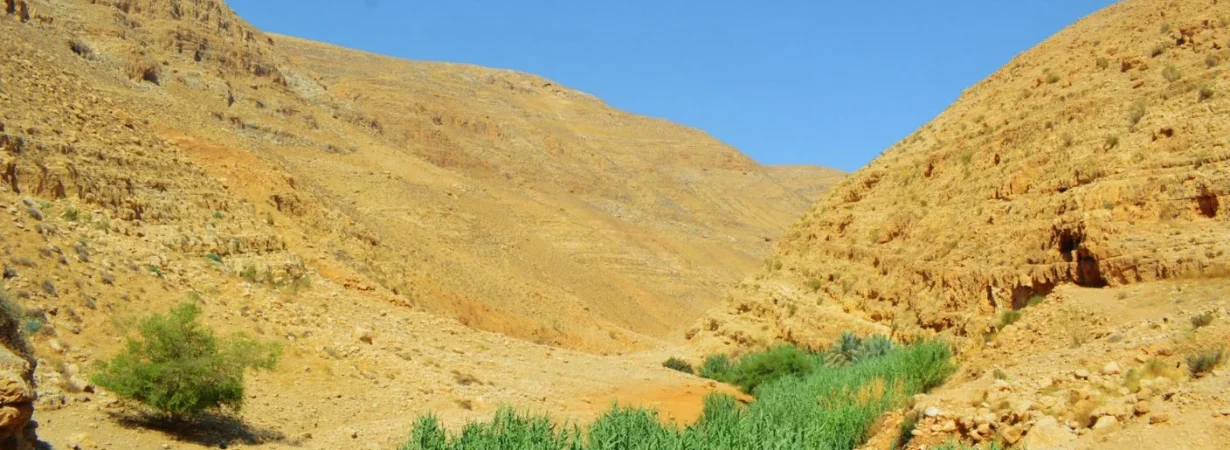
The West Bank site, Sebastia, sits on a hilltop near Nablus and is identified by historians as ancient Samaria, once capital of the biblical Kingdom of Israel. Its ruins span the Iron Age through Roman, Byzantine, and Islamic periods, and both Christian and Islamic tradition hold that John the Baptist is buried there. UNESCO noted the site’s integrity is threatened by a proposed expropriation project aimed at subdividing the property to create an Israeli national park.
Five Castles Scarred By War
In southern Lebanon, five fortresses across the Jabal Amel region were listed together, among them Beaufort Castle, also known as Qalaat al-Shakif, a Crusader-era stronghold captured by Israeli forces in May during their war with Hezbollah. Lebanon’s culture ministry said Israeli bombardment had already destroyed one of the five, Shamaa Castle, and continued to threaten Beaufort itself.
“The integrity of the site is currently threatened by an expropriation project,” UNESCO said of Sebastia, while describing the Lebanese castles as facing damage serious enough to justify emergency measures.
Lebanon Calls It A Win, Israel Pushes Back Hard
Lebanese Culture Minister Ghassan Salame described the listing as a significant step toward protecting the country’s historical landmarks. A Lebanese delegate at the session argued the castles had been used only for cultural and tourism purposes since Israeli troops withdrew from southern Lebanon in 2000, pushing back against Israeli claims that Hezbollah had built military infrastructure beneath the fortresses.
Israel’s Foreign Ministry had urged the committee to reject both nominations before the vote, accusing the Palestinian delegation of falsely portraying Sebastia as an emergency case for political ends. Foreign Minister Gideon Saar went further after the decision, framing it as an attempt to erase and deny the Jewish connection to the land.
A Deepening Rift With The UN Agency
The dispute reflects a wider rift between Israel and UNESCO, which Israel formally left in 2019 over accusations of institutional bias and now attends only as an observer. Despite the objections, the committee’s vote passed with support from the broader membership.
An endangered designation does not transfer sovereignty or ownership. It obliges the World Heritage Committee to review the site’s condition annually and can unlock international funding and technical support for preservation. For Sebastia and the Jabal Amel castles, it also places both locations under heightened global scrutiny at a moment when conflict in the region continues to threaten their survival.
Summary – UNESCO endangered heritage list
A UNESCO committee meeting in South Korea voted on July 24, 2026, to inscribe the West Bank archaeological site of Sebastia and five Crusader-era castles in southern Lebanon on both the World Heritage List and the List of World Heritage in Danger simultaneously, under an emergency procedure tied to the ongoing regional conflicts. Israel had lobbied against both listings, calling them a political weaponisation of heritage, while Lebanon and Palestinian officials welcomed the move as protection for threatened sites.
Discover more Insights
Explore Iran War Lessons Globally?
Explore how the 2026 Iran war reshapes global power and strategy.
Discover Iran Delay Strategy Tactics?
Discover how Iran uses delay, repression, and proxy influence.
Check Trump Iran Strategy Importance?
Check why Trump’s Iran strategy depends on Gulf allies.
Explore Iran Military Warning Signals?
Explore rising warnings from Iran alarming global powers.
Discover Sudan Iran Axis Threat?
Discover how the Sudan-Iran axis raises serious regional concerns.