

Why the Arab World Is a Top Beach Region
-
The Arab Post
- . November 10, 2025
- . Update: November 25, 2025 7:26 pm
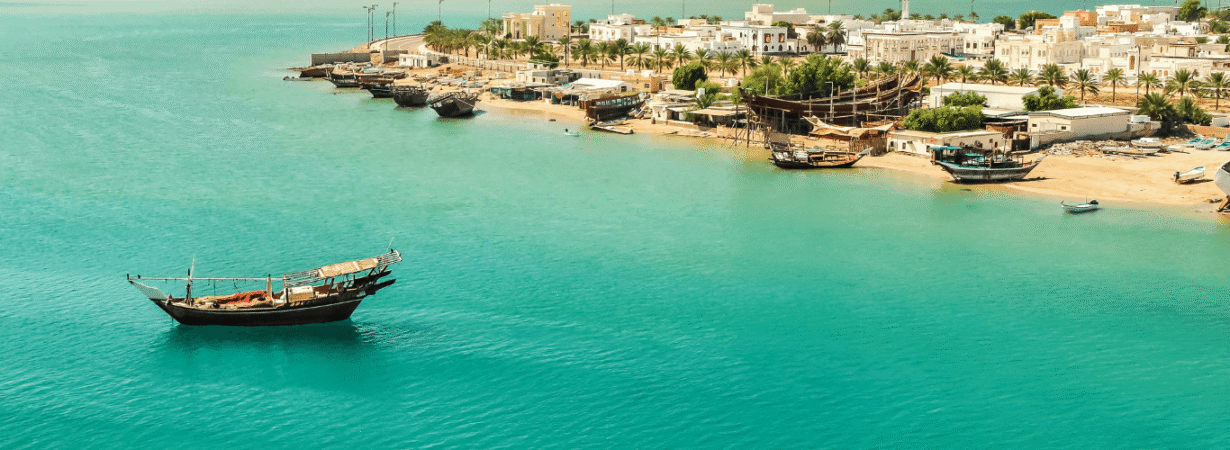
Warm seas across long seasons. Airports close to the coast. Hotels that understand families and groups, not just couples. Clear safety rules and tidy promenades help. And the water changes tone through the day, teal to deep blue, which still surprises people. That’s how it works, most days.
Dubai, United Arab Emirates
Skyscrapers in the rearview, salt on the lips at JBR and Kite Beach. Lifeguards whistle, joggers pass, shawarma grills hiss behind the boardwalk. New visitors learn a simple trick. Arrive early for parking and softer light. Evening brings street music and kiosks selling fresh coconut water. Small wins matter.
Abu Dhabi, United Arab Emirates
Corniche Beach sits wide and orderly, families laying mats under palms. Saadiyat takes a quieter line. Powdery sand, almost squeaky underfoot, turtles offshore in season. Museum visits slip into beach afternoons without stress. The city reads slower than Dubai, which suits many. That’s our take, and locals nod.
Muscat and Coastal Oman
Mountains lean close to the Gulf. Qurum Beach at dusk smells of cardamom and sea. Small cafes brew strong tea. South of Tiwi and Ras Al Hadd, the coast feels raw in the best way. Pack water, check tides, leave no litter. Common sense travel. Keeps everyone happy.
Sharm El Sheikh and Hurghada, Egypt
Boats hum out to reefs, divers shuffle, and the water shows that famous clarity. Glass-bottom trips run steady for non-divers. Nabq for quiet, Naama Bay for buzz. Hurghada’s newer marinas serve clean walks in the evening breeze. One gripe across forums is taxi haggling. Pre-book and relax. Easy.
Marsa Matruh and Alexandria, Egypt
Marsa Matruh throws pale turquoise shallows and sheltered coves. Families like it for calm water days. Alexandria brings city grit with sea spray on the Corniche. Fried fish at street joints, still hot, still good. Old-world cafes look tired in parts, but the coffee lands strong. Fair tradeoff.
Agadir and Taghazout, Morocco
Atlantic mornings start cool, surfers check breaks with sleepy eyes. Taghazout gives mellow waves and beach shacks that sell mint tea and egg sandwiches. Agadir’s long bay works for runners and prams. Spring brings steady sun. Boards on roofs, sandy mats on balconies. Real scenes, not staged.
Djerba, Tunisia
White domes, blue doors, and shallow lagoons. Djerba’s beaches curve gently, great for kids who run too fast near water. Markets still bargain in smiles and small coins. Hotels keep low-rise profiles, so skylines stay clean. Some roads feel patchy after rain. People manage with a shrug.
Saudi Arabia’s Red Sea Coast (Emerging Luxury)
North of Jeddah, new resorts test a careful idea. Coral protection with controlled access, clear signage, staff trained to guide guests off fragile patches. The water looks unreal at noon. Quiet marinas, measured service, long walking paths. Early days, yes. The direction feels serious and steady.
Comparison of Top Arab Beach Destinations
| Destination | Vibe | Best for | Quick note |
| Dubai | Energetic waterfronts | Groups, short breaks | Top dining by the sand |
| Abu Dhabi | Calm, cultured | Families, art lovers | Saadiyat’s sand stands out |
| Muscat / Oman | Rugged coast | Nature, road trips | Check tides, carry supplies |
| Sharm / Hurghada | Reef access | Divers, snorkellers | Pre-book boats for fair rates |
| Marsa / Alexandria | City by sea | Budget, history fans | Food good, traffic loud |
| Agadir / Taghazout | Surf towns | Long stays, digital workers | Cool mornings, sunny afternoons |
| Djerba | Gentle lagoons | Kids, slow travel | Low-rise, easy pace |
| Saudi Red Sea | Quiet luxury | Privacy, couples | Coral rules are strict |
How to Choose the Right Beach Destination for Your Travel Style
- For short weekends, pick airports less than 30 minutes to sand. Dubai, Abu Dhabi fit. That’s the trick.
- For reef days, choose Sharm or Hurghada and book a licensed operator. Gear checked, boats punctual
- For culture next to waves, split time between Abu Dhabi museums and Saadiyat. Works well, surprisingly
- For surfing, watch Taghazout forecasts and keep a backup cafe day. No stress
- For families, shallow water wins. Djerba, Corniche sections, and parts of Marsa Matruh do this well.
Best Time to Visit Arab Beach Destinations
- October to April brings kinder heat across the Gulf. Evenings feel pleasant, sea still warm
- Late spring suits Morocco and Tunisia, with steady sun and fewer crowds. Rooms cheaper too
- Red Sea diving stays strong most of the year, though winter mornings start cool. Pack a light layer
- Peak holidays compress prices across the board. Early bookings cut that problem down. Simple but true
What This Means for Travelers
The Best Arab beach destinations sit within easy reach of major hubs, clear seas, and routines that actually work. Mornings go to soft light and long walks. Afternoons to reef boats, surf checks, or quiet museum hours before sunset. Pick the season, match the mood, keep plans simple. The coast will do the rest. That’s how we see it anyway.
FAQs
Q1: Are Dubai and Abu Dhabi suitable for short beach breaks with minimal planning and fast airport transfers for families and groups?
Both cities offer quick taxi links to beaches, reliable facilities, and clear signage, which keeps the first day smooth.
Q2: Do Sharm El Sheikh and Hurghada provide beginner-friendly reef trips without heavy training or complex gear routines?
Licensed operators run short snorkel outings, basic briefings, and steady supervision, so first-timers manage just fine.
Q3: Is Taghazout a practical choice for remote work stays that balance surf time, walkable cafes, and reliable connectivity?
Many guesthouses now post stable internet speeds, early coffee service, and surf shops nearby, which keeps routines sane.
Q4: Can Muscat and the Omani coast support road trips that mix beaches, wadis, and small-town food stops in one loop?
Main highways are straightforward, waypoints come often, and day bags with water and fruit usually cover most needs.
Q5: Are Saudi Arabia’s Red Sea resorts positioned for quiet luxury trips with strong coral protection and managed visitor numbers?
Early projects indicate controlled access, trained staff, and calm marinas, aligning privacy with reef care without fuss.