
Balancing Modernity and Tradition in Daily Life
-
The Arab Post
- . November 13, 2025
- . Update: November 13, 2025 9:47 pm
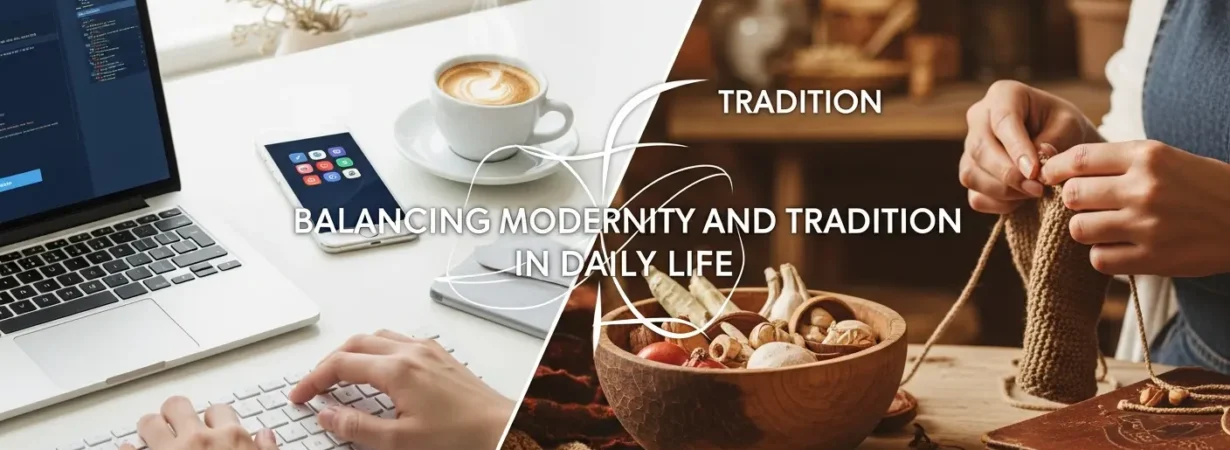
Contemporary society is characterized by rapid movements while, in contrast, traditional practices provide a certain level of profundity. The process of striking a balance between the two involves a purposeful act: determine the non-negotiable aspects of your heritage such as rituals, languages, and festivals, family roles, and on which modern comfort or values could positively impact the overall wellness. A very straightforward framework is to be utilized. Maintain the anchors, renew the methods, and subsequently curate the rest. The term “anchors” refers to those practices through which the identity and meaning are preserved, for instance, regular family meals, prayer or mindfulness, and community service. “Methods” are the areas where the advantages of technology and new thinking stand out: using digital calendars for coordinating festivals, creating healthier versions of the old recipes, or granting remote-work flexibilities so as to be present at family milestones. Curation signifies the process of being selective with the trends to the extent that what you add is complementary rather than overshadowing the core.
Give a ceremonial status to the essential things. Quite short, daily connections serve as a means of keeping up a tradition without increasing the burden of work: daily five-minute morning thankfulness in your mother tongue, sharing an elder’s story at dinner, or chatting with grandparents once a week. In a similar manner, larger customs can also be translated into modern formats: discussing festival histories in family group chats, having potlucks with cultural themes, or making videos for documentation of heirloom crafts so that the skills can be passed on. With regard to relationships, establish common rules that will be respectful to both sides: no screen meals, holiday observances rotated among families, and budget allocated for both traveling adventures and home gatherings.
Use technology as a link rather than obstacle. For the extended families let apps coordinate time zones, track the shared expenses for the celebrations and make digitized archives of photos, recipes, and music. Also, however, make tech limits that keep presence: prayer or study focus blocks, no phones during the rites of passage, and device-free hours before going to bed to keep sleep and attention intact. For parents, modern pedagogy paired with cultural literacy—bilingual books, weekend language classes, and hands-on festivals can exist side by side with STEM clubs and esports.
At workplace, prefer “both/and” over “either/or.” Use modern productivity tools, at the same time taking advantage of old wisdom—elders’ advice for major life decisions, apprenticeship mentality for career growth, and community reciprocity in networking. In food, health, and fashion, combine the old with the new: seasonal components plus modern nutrition, yoga or martial arts with strength training, and trendy silhouettes made of artisanal textiles to support local makers’ livelihoods.
Last but not least, spare some time for talking. Traditions continue to flourish provided their “why” is comprehended. Allow the seniors to illustrate the meanings, stimulate the children to question and adapt respectfully, and establish a family charter that spotlights the values you intend to carry through. Balance is not a fixed concession; it is a developing habit that has its roots in identity, is open to curiosity, and with every generation a thoughtful layer is added to the story.