
Arab Streetwear: The Fusion of Tradition and Modern Minimalism
-
The Arab Post
- . November 15, 2025
- . Update: November 15, 2025 8:59 pm
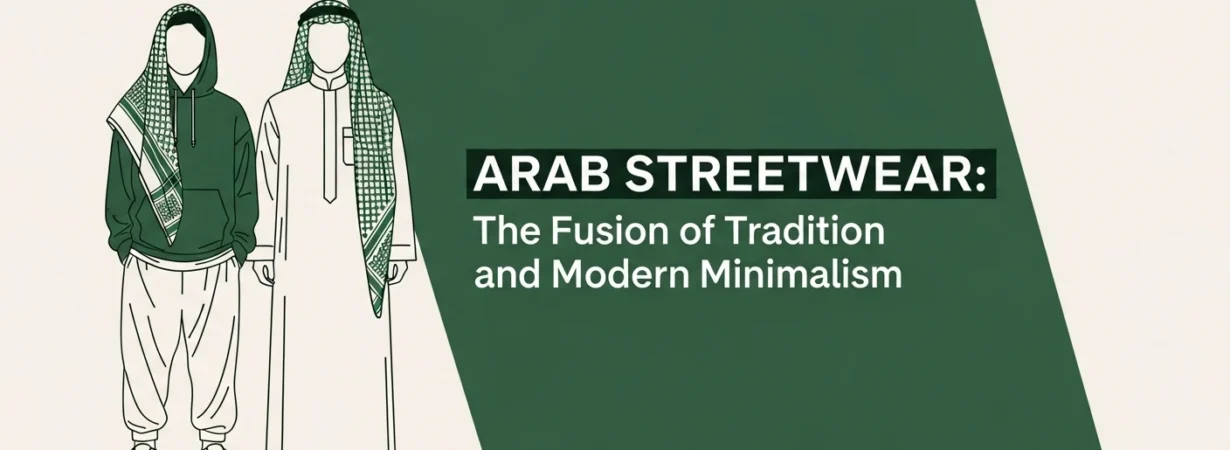
Arab streetwear is going through a daring shift. It used to be purely about traditional garments—abayas, kanduras, keffiyehs, and flowing silhouettes. But the evolution of Arab streetwear has blended tradition, contemporary, and international urban style. The current Arab streetwear is an incredible statement of cultural pride and sleek minimalism that is relevant and recognised across the globe today.
Aesthetic Influenced by Tradition
Arab streetwear cannot be divorced from centuries-old traditions. The keffiyeh, the men’s traditional white kandura, and even the abaya with modern embroidery have all been part of the foundation of contemporary Arab outfit styles and aesthetics. Designers themselves are taking traditional garments and concepts and designing looks that use known fabrics and patterns, contemporary cuts, modern tailoring, and up-to-date colour combinations. This creates a compromise in which the spirit of the culture can survive and appeal to the millennial generation and the younger generation.
The Interaction of Minimalism and Middle Eastern Influences
Minimalism has taken over Arab streetwear aesthetics; its clean lines, neutral tones, and monochromic outfits characterise the contemporary style. A neutral-toned thobe and a pair of sneakers radiate minimalism, while a relaxed black abaya paired with geometric accessories signals the same aesthetic. Minimalism means less distraction and more emphasis on clean, sharp details.
Minimalism does not detract from cultural expressions; it elevates them. Subtle embroidery, layered pieces that are thoughtfully designed, and high-end fabrics elevate the minimal style without overstating it.
Young People and Pop Culture Influence
New generations of Arab youth are the leaders of the streetwear movement. The hip trendsetters, influencers, artists, musicians and other content creators have begun to dictate trends by blending global street fashion with regional identities. Now, oversized hoodies featuring Arabic calligraphy, joggers styled with a bisht-inspired jacket, and contemporary hijabi streetwear are common in city streets, from Riyadh to Dubai, from Jeddah to Doha.
Social media has expanded this conversation and/or adaptation and allowed for Arab streetwear to become a global conversation, leading some designers to rethink and experiment with avant-garde concepts that push established aesthetics and meanings and bold, culturally charged elements.
A Growing Fashion Industry
Local brands throughout the Middle East are changing fashion through streetwear; most have sustainability associated with their use of materials, their design, or their production, which affirms the region’s movement toward conscious consumerism. Even established global luxury brands have collaborated with Arab designers and artists and are paying more attention to the region’s growing influence in fashion.
Where Tradition and Modern Identity Collide
What distinguishes Arab streetwear is its capacity to connect to its roots while embracing modern aesthetics without reservation. Arab streetwear is more than just clothing; it is a cultural movement that allows people to connect to pride and self-expression through fashion and creativity. With its complexity of minimalism and tradition, Arab streetwear occupies the space between the past and future; it is bold, original, and undeniably modern.