
Heritage vs. Modernity: How Arab Cities Balance Tradition and Rapid Urban Development
-
The Arab Post
- . November 29, 2025
- . Update: November 29, 2025 1:40 am
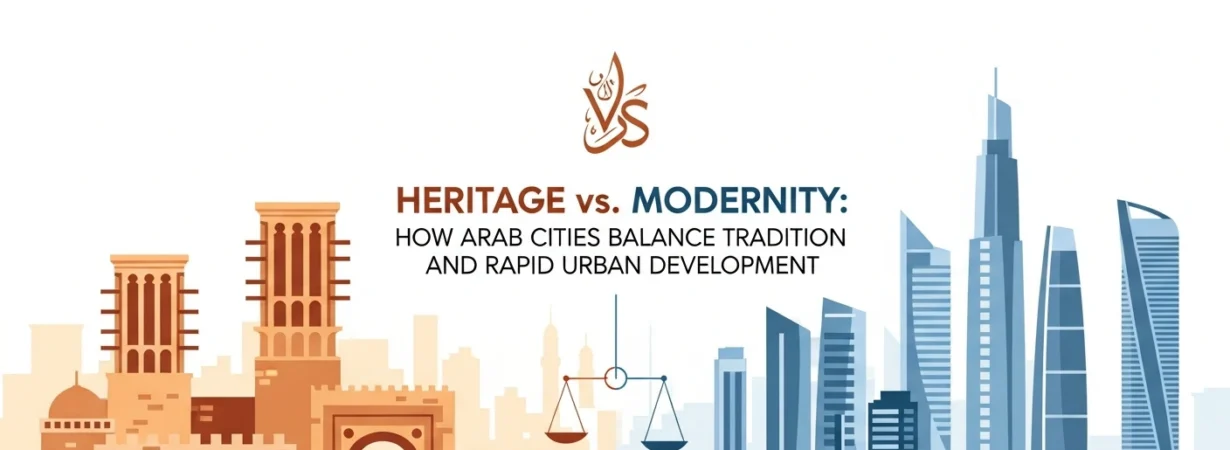
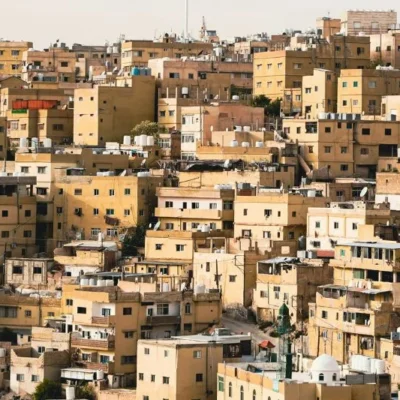
Arab cities urban development are walking a fine line between maintaining the rich cultural heritage and adopting the swift urbanisation process due to economic diversification and growth of population. Based on the futuristic NEOM project in Riyadh and the Dubai skyscrapers which are green, these metropolises combine ancient souks and mosques with modern infrastructure. The 2025 strategic plan of the Arab Urban Development Institute includes collaborative learning with the goal of solving such issues as urban sprawl and climate resilience without endangering identity. In 2030, 63 percent of Arab population will be an urban population, and this requires all-inclusive planning that respects the traditions in the face of the ambitions of Vision 2030. This article discusses approaches that combine the elements of preserving the heritage and the arab cities urban development.
Preserving Cultural Heritage Amid Growth
In Arab cities, there is a trend of adaptive reuse to restore historic neighbourhoods, including areas of Cairo or the Roman Theatre of Amman, and redevelop them as a cultural centre. An example is Riyadh Diriyah project which reinvigorates UNESCO sites to become tourist resources without destroying genuine essence. The heritage impact assessments are made mandatory by policies that mean the co-existence of the souks, madrasas, and wind towers with the high-rises.
Sustainable Urban Planning Strategies
Arab Strategy of housing and sustainable urban development believes in integrated planning which links jobs with housing through efficient transport. The Al Marmoom Desert Conservation Reserve in Dubai has combined sustainability efforts with the Bedouin culture. The Abu Dhabi smart city technology tracks energy consumption, financing the reconstruction of mosques, creating habitable environments that do not offend the Islamic urban values.
Challenges of Rapid Urbanization
The result is urban sprawl which destroys agricultural land as well as informal settlements as observed in secondary cities in the region. High land prices and slums are a challenge to equity, and such forums as the Arab European Cities Dialogue 2025 address equity through best practice on resilience and governance. The preservation of a culture against the loss of its identity is by balancing mega-projects and the community input.
Future Pathways and Innovations
The networks through the Arab Urban Development Institute enhance capacity-building and policy research. The new models are green roofs on old buildings and walkable areas that are reclaiming the use of the old majlis meetings. Such efforts make the Arab cities the world examples of harmonious development.