
What Is a UID Number? Meaning, Types, Uses, and Complete Guide
-
Dhivyanshu
- . December 2, 2025
- . Update: December 2, 2025 8:28 pm
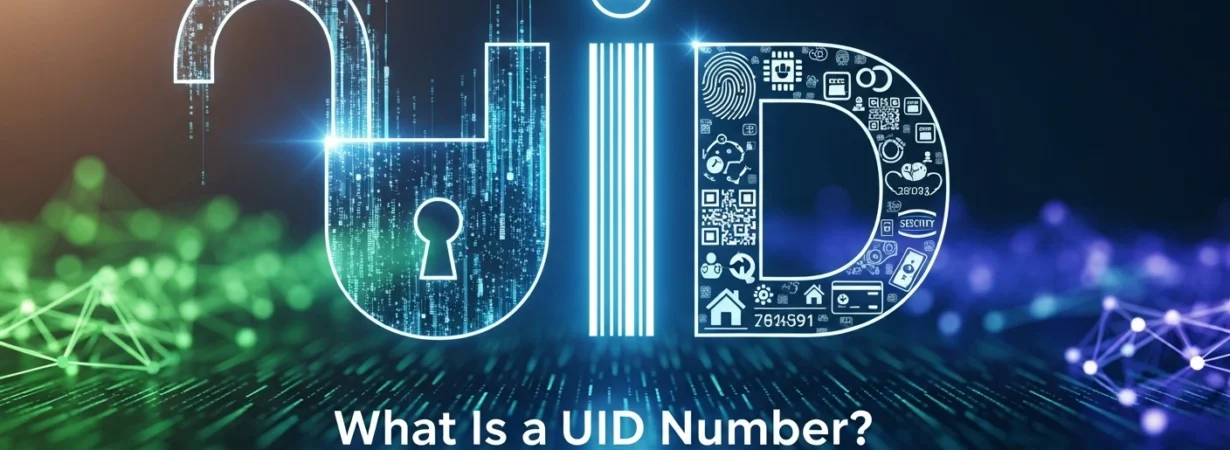
The idea of the UID number, Unique Identification Number, has become indispensable in the Arabian countries in the digital age. It may be government services, banking, healthcare, or property registration, but almost any citizen and resident is required to use a specific identification code. Countries of the Gulf, like the UAE, Saudi Arabia, Qatar, Bahrain, Oman, and Kuwait, have implemented UID-based systems to have safe authentication, correct data handling, and prompt access to digital services. This guide elaborates on the meaning and purpose of a UID number in the Arab world, its usage, its importance, and how one can get one based on their country and the system.
What Is a UID Number?
A UID number, or Unique Identification Number, is a unique code that is given to an individual, document, or computerized object. It is primarily meant to make sure that there are no duplicates of any identity or object within a system and that all of them are easily traceable. The best-known examples of UID in the Arabian region are national identity numbers, e.g., UAE Emirates ID, Saudi National ID (Hawiyah), Saudi Iqama Number, Qatar ID, Bahrain CPR Number, and Oman Civil Number. These are universal numbers that are utilized in government departments and the digital world.
The application of UID Numbers in Arabian Countries
The Gulf region has the majority of UID applications on the systems of national identity. In the UAE, the Emirates ID, the Hawiyah and Iqama numbers, and the QID in Qatar are the master identifiers of all databases. The UID is used as the primary verification tool when one opens a bank account, applies for healthcare, enrolls children in school, signs a rental contract, or accesses online government portals.
Another area in which UID numbers are heavily applied is outside of identity cards. A UID is also provided in the digital records, profiles, and software objects to ensure data is organized and secured in technology systems. In some nations, there are also specific identifiers to real estate units, and hence, the ownership and property records are easy to track. And in the digital services sector, gaming, mobile applications, or customer portals, UIDs are used to preserve user accounts and personalized information.
Why UID Numbers Matter
The reason why UID numbers are necessary is that duplication is eliminated, and verification of identity is quick and sound. A UID system has been used in the Arab world to make it easy to issue a visa and access to healthcare services. To residents and citizens, the UID means ease of transactions, secure online authentication, ease of banking, proper billing, and a uniform online presence of various services. Concisely, UID numbers are useful to keep an administrative ecosystem contemporary, effective, and secure.
How to Get a UID Number
This will be based on the country and the form of UID. In the case of national identity UIDs, like Emirates ID or the Saudi Hawiyah, people have to apply at the official governmental portal or service centers, provide their documents, including passport and residency, and have their biometrics scanned. After the verification, the UID is given and the permanent identity number of the person.
Other UIDs, such as those used in property, databases, or apps, are typically generated automatically at the time a user is registered or a new record is created.