

Why Qatari Aid for Lebanon’s Power Grid Must Be Paired With Transparent Utility Reform
-
The Arab Post
- . October 17, 2026
- . Update: October 17, 2026 4:21 pm
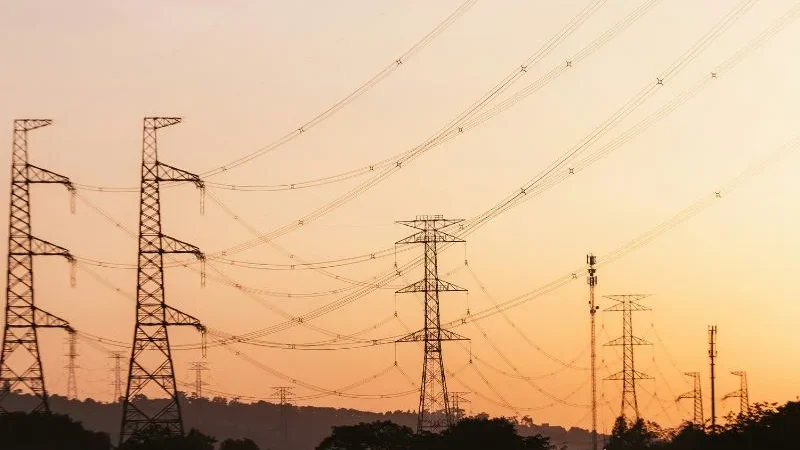
Qatar agreed to fund, construct and operate Lebanon’s electricity project at no cost to the Lebanese state. Qatari aid for Lebanon’s power grid, The delivery of the electricity project in Lebanon is funded in full by Qatar, built and operated by Qatar, zero cost to Lebanon. This act – and the new solar plant – is a lifeline, but analysts say the multi-billion-dollar investment will not work without overarching utility reform in Beirut that would be both sweeping and transparent and would correct decades of systemic mismanagement.
Qatar and Lebanon on Friday (16 October) signed a historic energy accord to address one of Lebanon’s most paralysing crises. In a top-level visit to Beirut, Qatar’s Prime Minister Sheikh Mohammed bin Abdulrahman announced Qatar will take full charge of the infrastructure’s rehabilitation of Lebanon’s troubled power sector, providing all financial and operational support.
The first promise of this Qatari aid for Lebanon’s power grid is a major joint venture between state-owned QatarEnergy and TotalEnergies of France that is designed to quickly build a solar facility with a zero cost.
The official Lebanese briefings by the Prime Minister, Nawaf Salam, stated that the Qatari intervention involves nothing to begin with for the Lebanese Treasury, which is in financial straits. Salam openly endorsed the agreement as a way to beat the tough budget limits in the state to provide cheap and reliable electricity.
But energy experts and political analysts say it’s a dressing bandage, rather than a cure, for a broken system, to have foreign capital injected into it. To effectively solve the decades long crisis in the country of Lebanon, this transparent utility reform changes of the utilities.
The $40 Billion Black Hole
The state power company of Lebanon, Électricité du Liban (EDL), has been an object of general dismay and abuse, the absolute center of Lebanon’s economic meltdown. In the last three decades, the electricity industry has run up a debt of over $40 billion or almost half of the nation’s crushing public debt burden.
At the moment, only a few hours of electricity per day from the State is provided to households by EDL. The lack of such a service for so long has led residents and businesses to depend on costly private diesel generators that are highly polluting, greatly hampering economic activity.
The new QatarEnergy solar power plant will be directly connected to an aging and mismanaged grid system with huge distribution losses and uncollected bills. Improving raw generation is not enough to improve tariff collection and distribution; it is only a risk to waste clean energy.
Political Gridlock Threatens Progress – Qatari aid for Lebanon’s power grid
Deep political rifts are already dividing the Lebanese government, with some of its members pushing for transparent utility reform, while others oppose the measure.
Energy Minister Joe Saddi recently boycotted cabinet meetings, reportedly due to the complete non-seriousness of the political climate in the Kingdom toward the much-needed changes and alterations in the system. The public walkout by Saddi highlights the strong internal opposition to ending Lebanon’s longstanding political patronage networks, which have traditionally been in charge of the country’s energy industry.
The establishment of independent electricity regulatory authority has been a consistent demand of all international lenders such as the World Bank and the International Monetary Fund (IMF). However, successive Lebanese government has delayed these important appointments time and time again.
Doha has to play on Qatar’s huge financial clout to get compliance if it is to sustainably modernize the sector. Qatar’s measures for independent audits, the uncompromising regulation of the energy industry, and the complete digitization of billing processes will help ensure that the solar electrons do reach Lebanese homes.
In the end, the funding of Lebanon’s electricity network by Qatar offers a golden opportunity to revitalize the economy, which is in shambles. Unless Beirut’s generosity of foreigners is matched by their own transparent utility reform now, however, and that reform is transparent, the country’s power supply will remain in the dark.
To keep abreast of the economic restructuring in Lebanon, check the official announcements from the Lebanese Ministry of Energy and Water.
Explore More Must-Reads
Explore current vs savings account differences?
Discover how choosing between current and savings accounts can impact your daily banking and long-term financial planning.
Explore Cairo living costs 2025–2026 trends?
Check how rising expenses and inflation are shaping everyday life and budgeting in Cairo for residents.
Explore Amman jobs and living reality?
Discover real salaries, job opportunities, and actual living costs in Amman before making a move.
Explore best countries for Arabs 2026?
Check top destinations, visa options, and opportunities for Arabs planning to relocate in 2026.
Explore Morocco gig economy earnings and taxes?
Discover platforms, income potential, and tax rules shaping Morocco’s growing gig economy.