
What Is a Moroccan Bath? A full-blown guide to the traditional Hammam Ritual
-
The Arab Post
- . December 10, 2025
- . Update: December 10, 2025 1:33 am
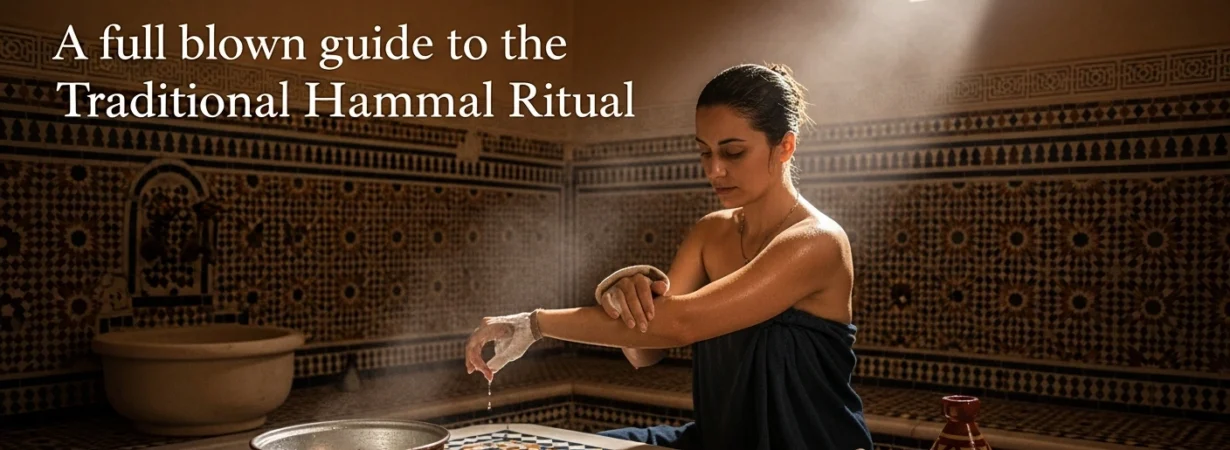
The Moroccan bath, or Hammam Maghrabi, is one of the oldest cleansing and rejuvenating rituals in the world. Originating in North Africa, this ancient wellness treatment combines the three steps of steam, exfoliation, and deep hydration to purify the skin and relax the body. Today, the Moroccan bath has become a global spa phenomenon, and it is extolled for its detoxifying properties, glowing-skin results, and overall sense of physical and mental renewal. Whether taking the luxury spa treatment or a traditional hammam, the Moroccan bath provides a unique blend of cultural heritage and therapeutic benefits that continue to draw wellness seekers from around the world.
What Is a Moroccan Bath?
A Moroccan bath is a traditional cleansing that uses steam, black soap, exfoliation, and nourishing oils to thoroughly purify the skin. Unlike the regular shower, the Moroccan bath is not focused on getting rid of dirt, but focuses on softening the skin through heat and then erasing dead cells using a textured exfoliating glove known as a kessa. This multi-step process not only enhances the level of cleanliness within a person’s body but also enhances blood circulation within the body, stimulating the body’s natural detox system. Rooted in Moroccan culture, a ritual that has been performed for centuries is a social, spiritual, and wellness experience. Today, the Moroccan bath continues to be a popular treatment in spas throughout the world.
How the Moroccan Bath Ritual Works
The true Moroccan bath experience starts by relaxing in a heated steam room. The steam helps open pores and soften the skin, and prepares the body to deep cleanse. After the skin has been softened, natural black soap, made of olives, is applied. This soap is enriched with vitamin E and acts as a powerful cleanser of the skin.
After a few minutes of absorption, the therapist makes an exfoliation using the kessa glove all over the body. This step removes dirt, oil build-up, and dead skin cells that are not open to being removed by normal bathing. The Moroccan bath then proceeds with rinsing, the application of nourishing bath masks/oils, and the use of hydrating lotions to seal in moisture.
Advantages of the Moroccan Bath
The Moroccan bath has been extremely popular for its many health and cosmetic benefits. The most well-known is its ability to make the skin visibly smoother, more brilliant, and youthful. The exfoliation not only helps in unclogging pores, but it also makes the skin look less rough, removes ingrown hairs, and discoloration.
In addition, the Moroccan bath also gives relaxation by relaxing the muscles through steam and warm water. It improves blood circulation and improves lymphatic flow in the body, as well as helps the body to release toxins. Many people also find that they sleep better, are less stressed, and have improved skin after getting regular treatments.
For those who are looking for natural beauty solutions, the Moroccan bath is a great option because it does not use ingredients that are not organic, such as black soap, clay, and essential oils.
Why the Moroccan Bath is Trending Around the World
With the increasing interest in wellness and natural skincare, the Moroccan bath has proved to be a global sensation. The authentic hammam experiences are sought by many travelers on visits to Morocco and spas have sprouted up around the world offering their own versions of the ritual.The popularity is also brought about by social media, with influencers showcasing the dramatic before-and-after results for the Moroccan bath.
As people are moving towards clean beauty routines, the Moroccan bath is worth noting as a holistic treatment that works to give visible results using no harsh chemicals. Whether to achieve glowing skin or deep relaxation, this traditional ritual remains the focus of global attention.