
From Rubble to Resilience: Can Rebuilding Aleppo Restore Its Soul?
-
The Arab Post
- . January 20, 2026
- . Update: January 20, 2026 12:37 pm
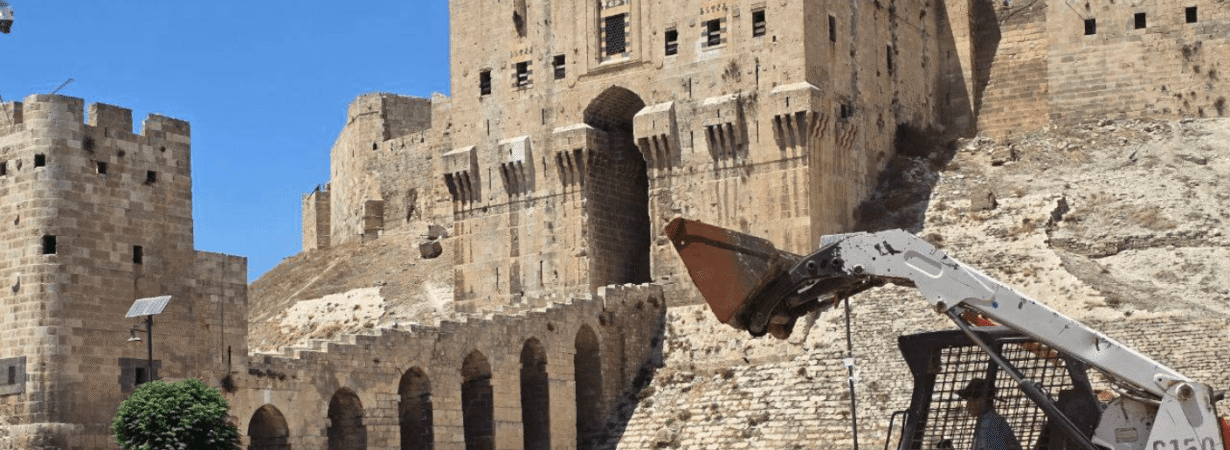
As a result of years of destructive war, the reconstruction of Aleppo has become a need and a beacon of hope. Aleppo was once one of the oldest continuously inhabited cities in the world, but the civil war, displacement and neglect turned it into ruins. Families are now going back to broken neighbourhoods today willing to own their houses even when there are no facilities, extremely high prices and faulty structures. The issue of reconstruction in Aleppo is not just the problem of bricks and cement but the problem of restoring the dignity, identity, and the life of the community. Each wall mended is a symbol of perseverance, and each swept road is an indication of the wish to keep going after such massive devastation.
Outside of personal initiatives, it is a mammoth task to rebuild Aleppo. Almost two-thirds of the city is still destroyed and large-scale planning is yet to be established. But local residents are still rebuilding Aleppo bit by bit due to memory and survival. Businesses reopen, houses are nailed back and slow life comes back. Though it might take decades to have a full recovery, the will that the streets of Aleppo have indicated that the process of rebuilding Aleppo is not only a possibility, but one that is being implemented.