
Red Sea Under Pressure: Yemen’s Threat to Global Security and Trade
-
The Arab Post
- . February 14, 2026
- . Update: February 14, 2026 6:41 pm
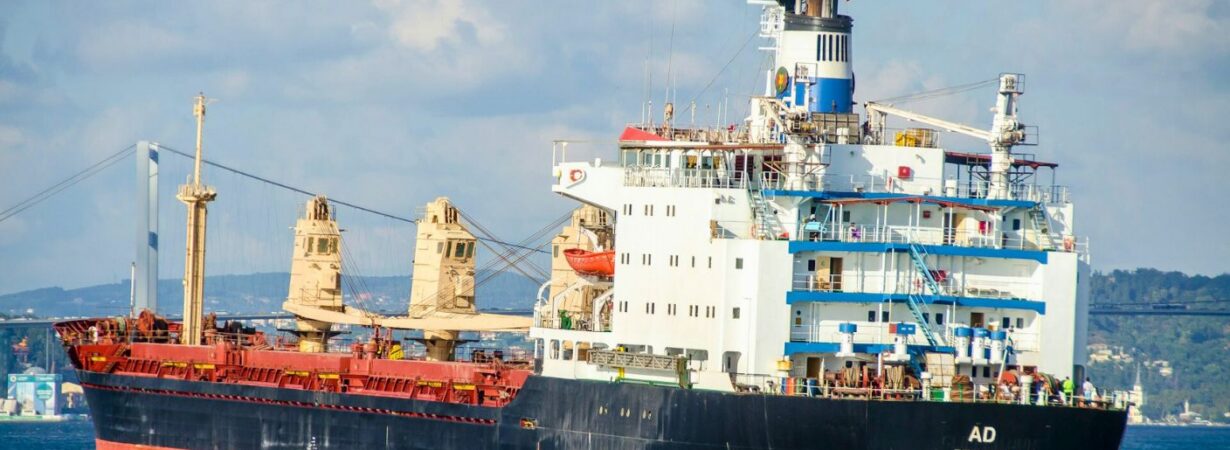
The Red Sea crisis is now tied to global trade, not a local headline. The Yemen maritime threat around the Bab el-Mandeb Strait has pushed maritime security, energy security, and supply chain vulnerability into daily policy talk across capitals.
Cargo movement slows, insurance bills rise, and delivery calendars slip across markets. That chain reaction is already visible in freight pricing and import planning. It looks distant on a map, still it reaches factory floors and retail shelves fast.
Why the Red Sea Is a Global Economic Lifeline
The Red Sea links the Indian Ocean with the Suez route and the Mediterranean shipping system. A large share of global cargo moves through this lane, including fuel, grains, machinery, and consumer goods. That is why pressure near Bab el-Mandeb spreads across regions within days, not months.
Shipping planners treat this corridor as a time-saving highway. Once that highway turns risky, ships reroute, costs jump, and schedules collapse in sequence. Looks simple on paper, but operations teams feel the strain first.
How Yemen’s Instability Became a Maritime Security Threat
Conflict inside Yemen has moved beyond land frontlines and into sea-lane risk. Commercial vessels, tanker operators, and naval groups now track missile and drone alerts as routine traffic variables. That shift changed the security picture in one stroke.
The pattern is now clear:
- Internal instability in a fragile state
- Pressure on nearby waters
- Disruption across regional shipping
- Global trade knock-on effects
It sounds linear, still every stage multiplies uncertainty.
Hybrid Warfare and the New Era of Maritime Conflict
Traditional fleet battles are rare in current maritime conflict zones. Threat actors use lower-cost tools that create high-value disruption at sea. That gap between investment and impact is the hard part.
Current tactics include:
- One-way drones targeting commercial or naval assets
- Anti-ship missile launches near transit lanes
- Radar confusion and deceptive signal methods
- Political messaging timed with shipping attacks
Small units can trigger global reactions through freight markets, insurance models, and emergency naval deployment. Feels uneven, and that is exactly why it works.
Energy Security and the Red Sea Corridor
The Red Sea corridor carries oil and LNG cargo serving Asia, Europe, and parts of Africa. Any interruption pushes traders to reprice risk quickly, then governments revisit reserve plans and procurement timing. Energy desks track this corridor minute by minute.
Short disruptions still matter. A delay window can tighten spot markets, raise freight premiums, and push importers toward costly alternatives. The public notices the effect later, usually at the pump and utility bill stage.
Supply Chain Vulnerability and Global Economic Risk
Global logistics systems run on tight sequencing. One chokepoint shock can disturb manufacturing inputs, retail restocking, and seasonal inventory cycles across continents. That part is plain.
| Disruption Event | Immediate Effect | Wider Economic Impact |
| Vessel rerouting | Longer voyage time | Late deliveries in multiple regions |
| Insurance premium spike | Higher shipping cost | Imported goods price pressure |
| Port congestion spillover | Missed handling slots | Factory slowdown and stock gaps |
Procurement teams then build larger buffers, and that ties up cash. Not ideal in a high-rate environment.
The Red Sea as a Test of Modern Naval Deterrence
The corridor now acts as an active test ground for modern naval deterrence. Advanced forces are running live missions, not tabletop drills, under drone and missile pressure. Real-time interception, escort tactics, and threat screening stay under constant review.
Key capability tests include:
- Early threat detection under cluttered maritime traffic
- Fast interception of low-altitude aerial threats
- Coordinated escort for civilian cargo vessels
Performance here influences planning in other chokepoints too. So this theatre carries wider military meaning.
International Cooperation and Collective Maritime Responsibility
No single navy can secure all commercial routes through this passage all day. Coalition patrols, intelligence exchange, and coordinated rules of engagement are now basic requirements. Maritime security has turned collective by necessity.
Joint frameworks also reduce panic in freight markets. When convoy logic, reporting protocols, and response timelines are shared, operators can price risk with less guesswork. Not perfect, still better than fragmented action.
Strategic Chokepoints and the Future of Global Order
Strategic chokepoints are back at the center of geopolitics. The Red Sea crisis shows how regional conflict can alter global power calculations, trade routes, and defense postures in one cycle. Shipping lanes now carry security weight equal to economic weight.
Policy circles are adjusting. More naval presence, more surveillance, more route diversification, and tighter coordination with private shipping networks. Slow shift, but it is already underway.
FAQs
1) Why does the Bab el-Mandeb Strait matter so much to global trade?
It connects major sea lanes, so disruption there delays cargo movement and raises freight costs worldwide.
2) How does Yemen instability impact countries far outside the Middle East?
Shipping delays and insurance hikes increase import costs, affecting fuel prices, food bills, and factory schedules.
3) Why is hybrid warfare at sea difficult for navies to counter quickly?
Low-cost drones and missiles create fast, uneven threats across busy shipping lanes and surveillance zones.
4) Can rerouting ships solve the Red Sea security problem in the short term?
Rerouting reduces immediate exposure, but adds transit time, fuel burn, congestion risk, and inventory stress.
5) What is the single biggest policy lesson in this crisis right now?
Global trade protection needs joint naval coordination, shared intelligence, and faster multinational crisis response systems.