
How to Plan a Desert Road Trip From Jeddah
-
The Arab Post
- . February 28, 2026
- . Update: February 28, 2026 8:27 pm
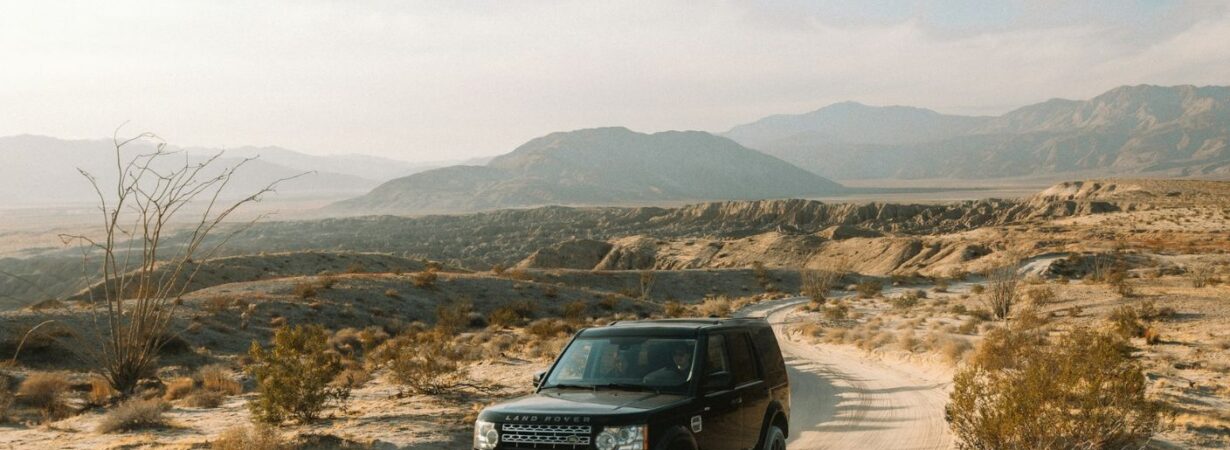
It is an unbelievable way to get away to nature by going out into the expansive, sandy terrain around the coastal city. To make your journey safe, exciting, and one that will be remembered, then you have to be prepared just right.
Getting Ready for the Sands
A powerful 4×4 automobile is highly imperative in passing through rough areas. In case you leave the city boundaries, make sure to stock up on plenty of drinking water, a good offline GPS and an emergency first-aid kit. The best thing to do to be safe is to travel in a convoy consisting of at least two cars. Visit Saudi is a reliable source of important preparation tips before traveling.
Navigating the Best Hejaz Off-Road Routes
The western part is so varied in landscape. Discovering the optimal Hejaz off-road routes often leads you toward historical areas like Wadi e Fatima, which offers scenic historical sites alongside challenging sandy paths. The local travel guides of Destination KSA are invaluable to plan the route and also to explore the hidden valleys.
Experiencing Saudi Arabian Dune Bashing Safely
The towering sands around Khulais are a paradise to the adrenaline lovers. Engaging in thrilling Saudi Arabian dune bashing requires properly deflating your tire pressure before hitting the soft sand to maintain traction. Be it a guided tour or a ride with local experts in Time Out Jeddah, the novices are advised to always book a guided tour or travel to be assured of a safe yet an adventurous ride.
Social Media: visitsaudi
FAQs
Q: Do I need a special license for driving in the sand?
A: No special license is required, but a valid driver’s license and prior experience handling a 4×4 vehicle in soft terrain are highly recommended for safety.
Q: What is the best time of year to go into the sands?
A: The ideal time is between November and March. During these months, the temperatures are much cooler and pleasant for outdoor exploration.
Q: Is mobile network coverage available outside the city?
A: Coverage can be spotty or completely non-existent in deep valleys and remote areas. Always carry an offline map or a satellite communication device for emergencies.