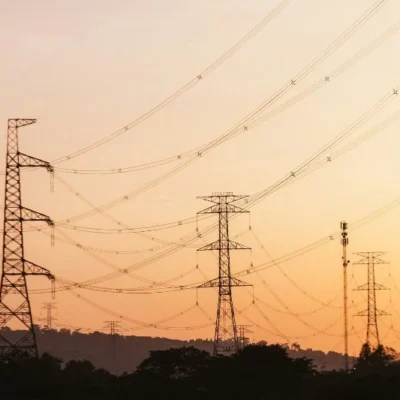

Egypt’s New AI Drone Weather System: How it Will Track the “Black Cloud” in Cairo This Summer
-
Dhivyanshu
- . April 16, 2026
- . Update: April 16, 2026 8:36 pm
The inhabitants of the Egyptian capital have feared the beginning of the season of intense smog over the years. Traditionally an autumn event caused by temperature inversion and agricultural burning, shifting climate patterns have erased these seasonal boundaries. AI drone weather tracking Cairo Black Cloud At the beginning of the summer of 2026, there are more concerns about urban pollution at its initial stages than ever. To fight this, the government is putting in place a new, highly advanced solution. Although technology does not turn into a magic wand and remove the emissions, the initial, but crucial step towards the safety of the population is to know how and where the smog travels.
The Evolution of AI Drone Weather Tracking
Conventional air monitoring systems are based on ground stations and satellite images. These are effective, but have their own limitations; these satellites may be blocked by real weather clouds, and ground sensors can only record data at the level of the street.
With AI drone weather tracking, meteorologists are now able to collect dynamic and three dimensional vertical profiles of the atmosphere. These are sophisticated unmanned aerial vehicles that fly straight into the smog layer where they gather real-time data on the level of particulate matter (PM2.5 and PM10) and carbon monoxide and atmospheric pressure. The information is immediately analysed by machine learning algorithms in accordance with the newest World Meteorological Organization (WMO) data-sharing guidelines that enable incredibly accurate mapping of the atmosphere.
Upgrading Cairo Black Cloud Monitoring
Aggressive tracking is needed to track the thick, suffocating smog, locally called Al-Sahaba Al-Sawda. The particular use of these drones in the Greater Cairo area is a giant step in Cairo Black Cloud monitoring.
The AI systems also research wind patterns and the density of pollution, as opposed to letting the smog to settle over residential areas, in order to determine the precise path of the cloud hours before it overcoats a neighborhood. This will enable the Egyptian Ministry of Environment to have very focused, neighborhood-based health advisories. When the AI notices a dangerous build up heading to a high-density community, the government can take the initiative to issue temporary shutdowns of local industrial operations or divert heavy traffic.
Top Picks For You
Discover best tourist attractions in Jordan?
Explore iconic places every visitor should experience.
Explore Petra viewpoints and best spots?
Check where to capture the most stunning Petra views.
Discover desert adventures in Jordan?
Explore thrilling experiences across Jordan’s desert landscapes.
Check top things to do in Amman?
Discover must-visit spots for first-time visitors in the city.
Explore Dead Sea spa day trip?
Check relaxing mineral spa experiences near Amman.
Integrating Environmental AI Technology with Ground Networks
The drones do not work in vacuity. The great strength of this initiative is its combination. The data collected by the aerial means is constantly compared with the current system of ground sensors in Egypt. This is an all-encompassing environmental AI technology that develops a single digital representation of the air quality in the city. Adhering to the principles which are backed by the UN Environment Programme (UNEP), the algorithms will be smarter each flight, getting to know the topographical and meteorological peculiarities of the Nile Valley to make more accurate predictions in the future.
Policy Impacts and Public Health Reality
It is imperative to be straightforward on what this system accomplishes. Although these drones are wonders of the modern engineering process, it is a diagnostic device and not a cure. Causes of the pollution such as heavy traffic, industrial emissions, and by burning of waste that has not been regulated are the roots of the pollution and need tough enforcement of policy. Nevertheless, with this information, the Egyptian Cabinet can make swift, evidence-based choices to safeguard the vulnerable groups, which is in line with the World Health Organization (WHO) principles of urban health.
FAQs
1. What exactly causes the severe smog over the capital?
It is a burst of intense air pollution due to a combination of vehicle emissions, industrial emissions and historical agricultural burning in the Delta, all of which is trapped near the ground in a meteorological temperature inversion.
2. How does AI drone weather tracking actually work?
The drones have special sensors to detect certain gases and PM. This data about the environment is processed by the onboard AI, which predicts the speed, density, and direction of the pollution.
3. Will this environmental AI technology stop the pollution?
No. The system is meant to be used in monitoring and forecasting. It enables the government to give warnings and impose temporary suspension of the emission but the only solution is long-term reduction to reduce emissions permanently to clear the air.
4. Where can residents view the collected air quality data?
The information obtained by the monitoring network is usually processed and distributed via the daily bulletins and the official electronic resources of the Egyptian Ministry of Environment.