

7 Arabic Desserts Tourists Fall in Love With
-
The Arab Post
- . March 16, 2026
- . Update: March 16, 2026 7:37 pm
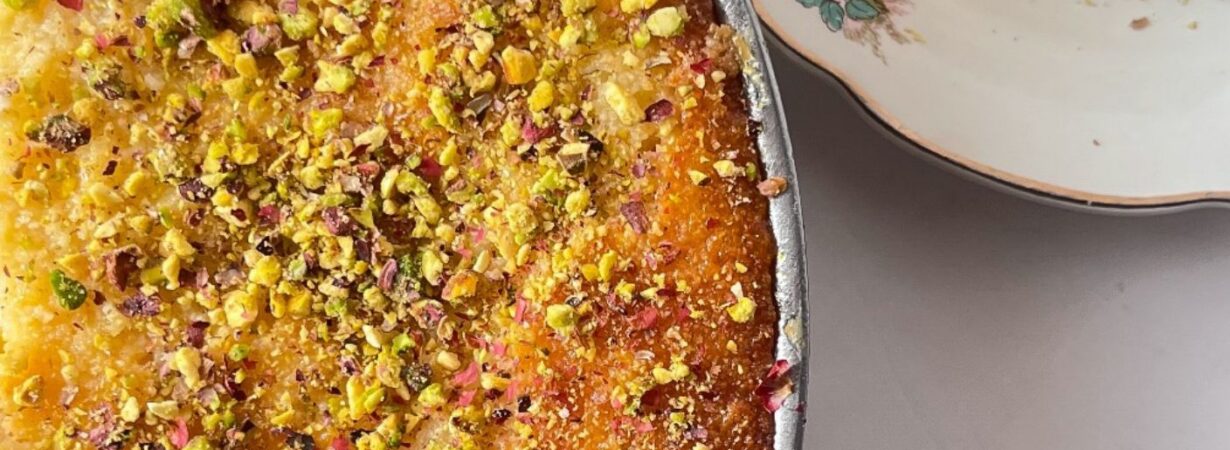
The Arabic desserts are usually the sweetest surprise to the traveller who visits the Middle East and North Africa. In addition to the familiar Gulf delights, some of the most memorable sweets are those prepared in the Levant, Egypt and North Africa, the recipes of which have been influenced by hundreds of years of culture, celebration, and hospitality. From syrup-wet pastries to creamy cheese-stuffed desserts, these desserts are popular with tourists due to their thick textures, flowery smells, and soothing tastes. These seven classic desserts are what tourists keep returning to in order to get a taste of the Arabic food spirit.
Why are these Arabic Desserts so appealing to tourists?
Contrary to the usual cake, Arabic traditional desserts mix the texture, smell, and history in every single bite. Most of them use such ingredients as rose water, orange blossom water, pistachios, semolina, clotted cream, and date paste and produce a taste sensation that is luxurious and best described as highly authentic. They are not only sweet to the tourists, but also offer a cultural experience associated with festivals, street food, and family traditions.
7 Arabic Desserts Tourists Fall in Love with
1. Kunafa (Knafeh) – Levant / Egypt
Frequently dubbed as the queen of Arabic sweets, kunafa is made up of shredded kataifi pastry, stuffed with sticky cheese, nuts, or cream and baked and immersed in syrup of rosewater. It is crispy, rich and dramatic, and can be the first Arabic dessert that tourists cannot forget.
2. Umm Ali (Om Ali) – Egypt
This is a traditional Egyptian pastry that is a warm bread pudding prepared using puff pastry, milk, cream, sugar, and nuts. Umm Ali is a warm comfort drink thanks to its golden crispy top and creamy bottom.
3. Basbousa (Namoura/Harissa) – Egypt/ Levant
Basbousa is a moist semolina cake soaked in syrup, which is easy but irresistible. It is one of the simplest traditional Arabian desserts that can be enjoyed by first-time savers, flavoured by coconut water, rose water, or orange blossom water.
4. Qatayef – Levant / Egypt
Qatayef are often referred to as Arabic-filled pancakes and filled with either nuts, cheese or cream, and fried or baked and topped with syrup. They are an essential festive snack, especially in Ramadan.
5. Balah El Sham (Tulumba) – Levant / Egypt
These syrup-dipped fritters are like churros, except that they are crunchy on the outside and soft in the middle. Balah El Sham is a popular street candy that tourists are fond of because it is easy to chew and pleasing to the mouth.
6. Halawet El Jibn -Syria / Lebanon
This is a fancy Levantine dessert that includes semolina and cheese soft rolls stuffed with ashta and sprinkled with pistachios and rose petals. It is notoriously tender, and it melts in the mouth.
7. Maamoul – Levant
These shortbread cookies are made of butter, stuffed with dates, pistachios/walnuts, and usually cut into carved shapes. Maamoul is admired due to its crunchy feel and festive texture.
Final Thoughts
The most renowned Arabic desserts are not only desserts but also a sign of warmth, artistry and traditions of the area. To the tourist, such desserts would be good memories of their travels, be it in a busy market, a bakery run by a family or after a traditional meal.
FAQs
Which is the most popular Arabic dessert?
Kunafa is most commonly assumed to be the most well-known Arabic dessert due to its crispy pastry, melted cheese and sweet syrup.
Which Arabic dessert is from Egypt?
Egyptian desserts are popular, and some of them are Umm Ali, Basbousa and Balah el Sham.
Are the Arabic desserts sweet?
Syrup is used in many Arabic desserts, although they also strike the balance between sweetness and nuts, cream, semolina and floral flavours.
Which Arabic dessert will tourists like the most?
The best first choice is normally Kunafa, then Umm Ali, and Basbousa.