
Iran Escalation Puts U.S. Alliances and Gulf Security Under Pressure
-
The Arab Post
- . March 18, 2026
- . Update: March 18, 2026 2:49 pm
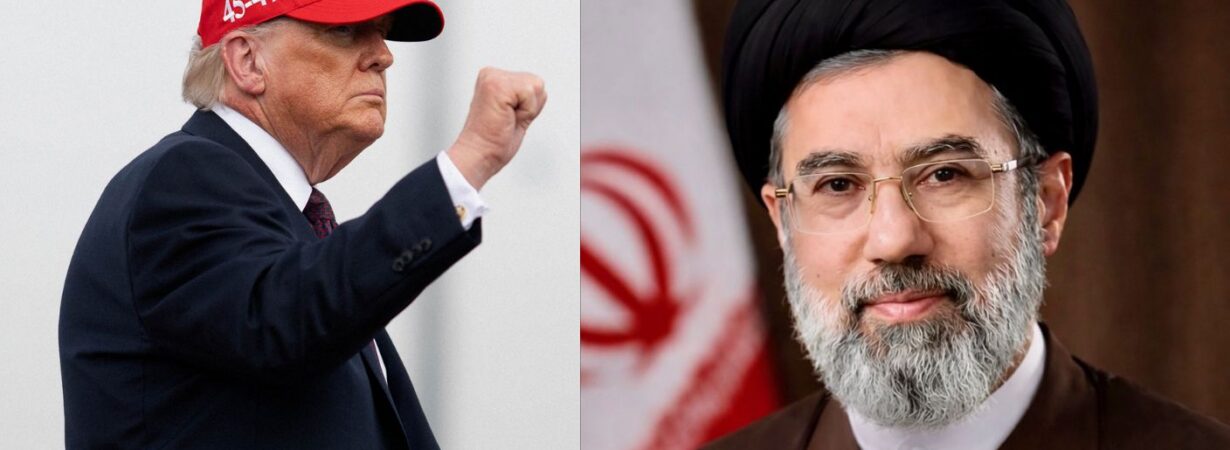
A recent episode of the podcast, dubbed Developments in the Capitol Hill Events, shows a sudden increase in the tension between Iran, Israel and the leading Gulf countries, including the United Arab Emirates and Bahrain. With the war at its critical point, more focus is moving to Washington, where policymakers are under pressure to explain how the United States will respond to the war and what they will do.
The scenario is not only a military tussle, but a wider geopolitical challenge of alliances, diplomacy and stability in the region.
Rising Tensions Mark a New Phase in the Conflict
The current conflict between Israel and Iran has escalated, and cases of missile and drone attacks on UAE and Bahraini facilities have been reported. Such attacks have targeted strategic and civilian infrastructure, airports, energy, and desalination plants.
This kind of development raises the concern that the war is no longer just an indirect war or a proxy war. Instead, it seems to be spreading down to all corners of the earth, attracting countries that were once placed in the diplomatic background and not in the forefront.
The civilian impact is also reported, which only highlights the gravity of the situation and raises concerns about the humanitarian and economic implications throughout the region.
Abraham Accords Face a Real-World Stress Test
The Abraham Accords that formalised the relationships between Israel and several Arab countries are now put to the test in difficult circumstances. It is claimed that countries such as the UAE and Bahrain, which developed diplomatic relations with Israel, are among the countries that are at increased risk.
This has contributed to the development of the perception that normalisation agreements are currently exposed to different pressures during times of conflict. What the situation brings up is the question of whether diplomatic structures come through so that they can survive the times of increased tension in the region.
Simultaneously, such developments are also acting as a reason to scrutinise the way in which such agreements operate outside of peacetime cooperation, especially when there are security threats involved in upping the game.
Washington Faces Questions Over Security Commitments
The changing circumstances have also focused on the role of the United States in the region. Traditionally, Gulf countries have been gaining security guarantees from the U.S., and the recent development has brought increased questioning on the way these guarantees can be honoured.
Lawmakers like Chris Coons on Capitol Hill have demanded some clarity on the course of action by the U.S. The talks are also said to be centred on possible response actions, not to mention the risk to American personnel and regional allies.
This inner struggle is indicative of a more general dilemma of U.S. foreign policy: the question of deterring, associating credibility with its allies, and the dangers of escalating involvement in an expanding war.
Broader Implications for Regional Stability
The existing escalation has far-reaching consequences for the Middle East in general. An attack on key infrastructures like power plants and water supply indicates a transition to strategies that are able to affect normal life and financial security.
Also, the spreading of the conflict areas brings up the issue of a broader confrontation in the region. In case tensions become even greater, not only immediate participants can be affected, but also energy markets in the world, trade routes, and relations.
The case under consideration is dynamic, yet it obviously reflects the turning point of the regional level where the military intervention, political decisions, and international reactions are tightly related.
FAQs
1. What is the reason why the UAE and Bahrain are targeted?
UAE and Bahrain belong to the Abraham Accords that normalised relations with Israel. This connection can be one of the reasons why they are being sucked into the larger local conflicts.
2. What is the contribution of the United States?
The United States has had many security alliances with the Gulf countries, and is likely to aid regional stability, but the degree of its reaction is one of the debates at present.
3. Why is this escalation different from what has been going on before?
In contrast with the previous periods, the conflict now seems to refer not only to the direct strikes but to several countries, which points to the regional aspect as compared to the local one.
4. What will the effect of this be on the Middle East region?
The escalation might affect the stability in the region, the state of the economy and the diplomatic relations, particularly in case the number of the involved countries expands or the distribution of the infrastructures persists.