
7 Influential Women Leaders in the Arab Countries Shaping Modern Power Narratives
-
The Arab Post
- . March 24, 2026
- . Update: March 24, 2026 4:39 pm
Why Women Leaders in the Arab Countries Are Redefining Power
In the Arab world, women’s heads are no longer languishing in the symbolic world, especially in the Middle East and North Africa. Women are empowering policy-making, business ecosystems, and cultural narratives in non-GCC Arab countries’ leadership spaces, especially in Egypt, Jordan, Lebanon, Morocco and Palestine. This change is a part of a wider trend in the political power of females in the Middle East, where power is becoming more of an impact than a display.
These Arab change makers are not well reflected across the world, but they are at the centre of the post-Arab Spring leadership movements and the rising grassroots to government pipeline that characterises present-day governance.
7 Influential Arab Women Driving Change Beyond the Gulf Spotlight
Policy-makers and Financial Reformers
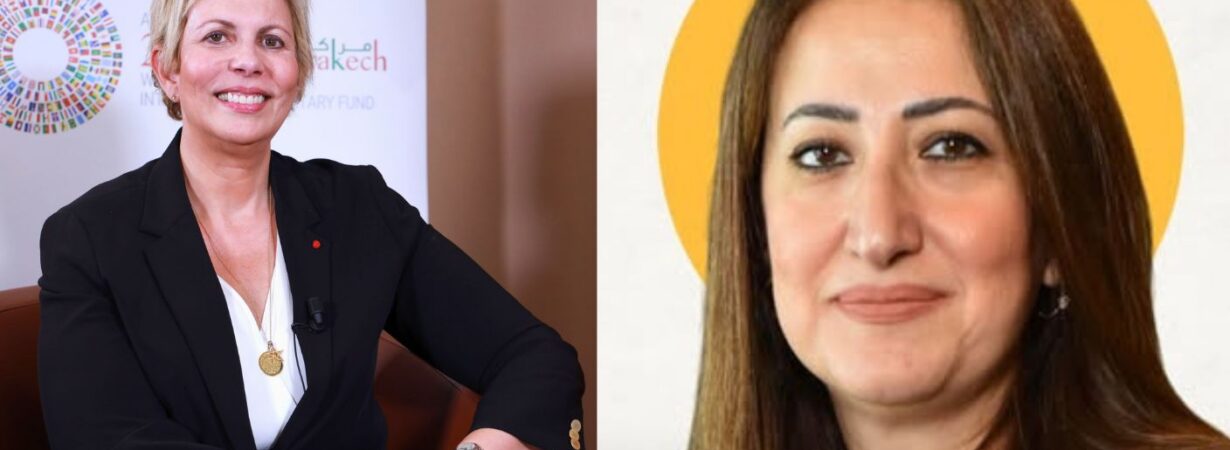
- Dalia El-Baz (Egypt) is one of the power figures of 2026 among Arab women because she significantly contributes to the modernisation of the Egyptian economy as a Deputy Governor of the Central Bank. Her writing brings out the emergence of Arab women as political leaders in economic policymaking.
- Randa Sadik (Jordan) is a good example of women who have leadership in the Middle East and North Africa, as she heads one of the largest banking networks in the region and has shaped the world of finance.
- Being a market regulator, Nezha Hayat (Morocco) is an image of women’s empowerment in the Arab countries that guarantees transparency and control in the Moroccan financial market.
Business and Economic Innovators
- The case of Miriem Bensalah Chaqroun (Morocco) has transformed the leadership of corporations, and she represents the new generation of women leaders in MENA who can both spur the development of the private sector and overcome gender boundaries.
- Mona Bawarshi (Lebanon), the leader of logistics, is an example of how women leaders in the non-GCC Arab countries are changing the industries beyond the traditional ones and making them more resilient to the economy of the region.
Voice of Social and Cultural Revolution
- One of the most influential female Arab 2026 is Joumana Haddad (Lebanon), who is based on literature and activism to challenge the norms and empower women in Arab countries.
- Maysoon Zayid (Palestine) introduces a globalised element to Arab women changemakers, disability rights and representation, and broadens the boundaries of female political participation in the Middle East to new areas of the media and culture.
What Sets Non-GCC Women Leadership Apart
In contrast to the GCC accounts involving the tendency to focus on visibility, new women leaders in MENA countries that are not GCC countries work in multifaceted socio-political accomplices. Such underrepresented women leaders in the Arab countries are agents of change by making policy changes, entrepreneurship, and activism, especially in the new leadership in North Africa.
They are highly involved in communal activities and therefore serve as major agents of long-lasting change.
The Future of Women Leadership in the Arab World
The future of women leaders in the Arab countries would be in the widening of institutional roles and enhancing youth involvement. Since the trend of female leadership in the Middle East and North Africa is on the rise, these leaders are establishing the premises of change in the long run.
As the number of women leaders in the Arab world continues to grow, the next ten years will witness a boom in the number of Arab women political leaders dominating the discourse of the region and the world.
FAQs
Q1: What do you think are the countries that are at the forefront in the women leaders in the Arab countries ?
Major centres of non-GCC Arab countries’ women leaders in the field of politics, business, and culture are Egypt, Jordan, Lebanon, Morocco, and Palestine.
Q2: What makes women leaders in the Arab countries underreport?
There are numerous Arab leaders who are underreported and not in the spotlight of the global media, yet they lead major reforms and innovations.
Q3: Which industries are Arab women leaders having the most influence on?
Arab women changemakers are changing various sectors in the region, including banking and entrepreneurship, as well as activism and media.