

Iran War Analysis 2026: 5 Key Lessons & Geopolitical Impact
-
The Arab Post
- . April 7, 2026
- . Update: April 7, 2026 2:39 pm
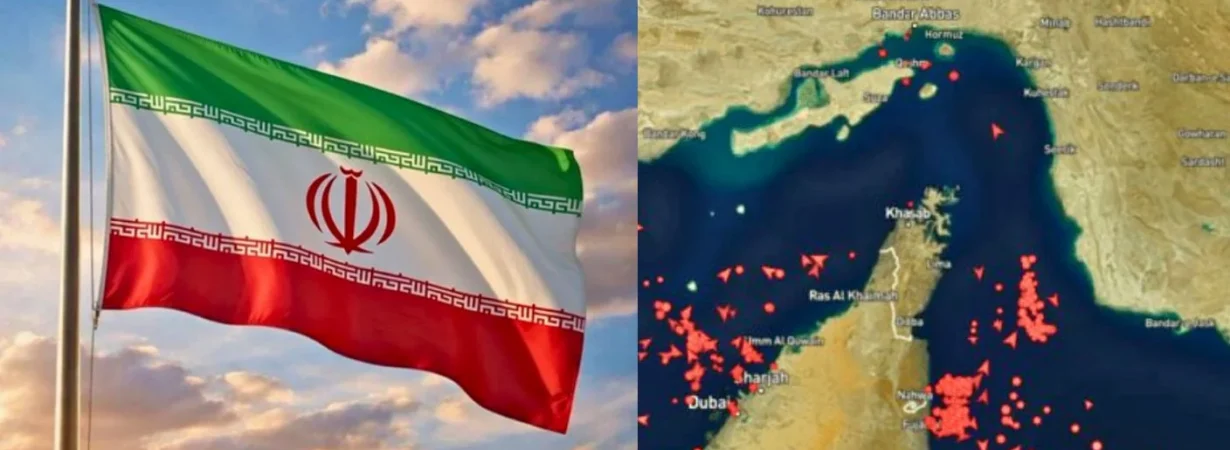
The new and violent war with Tehran has changed the paradigm of world security and international relations radically. With the strategic experts carrying out their thorough Iran war analysis 2026, some facts that cannot be refuted have been known about defense alliances, threats in the region and the economic stability in the world scenario. These awful realities have been eloquently disaggregated in a recent and very detailed essay published by the Jerusalem Strategic Tribune. Through the geopolitical analysis of the Middle East war in general, and its wider Middle East war geopolitical impact, we will be able to pinpoint the general lessons of this modern-day conflict. The five essential Iran conflict lessons discussed in simple terms are as below.
US leadership role
The initial one of the key Iran conflict lessons is the irrefutable power and need of the US Israel alliance strategy. This is not just a political alliance of convenience to be exploited in the short run; this is a strategic necessity, a seriousness on moral grounds, and a determination to fight tyranny. The United States has shown the kind of leadership which is very decisive and open and has directly challenged a regime with a long and proven history of attacking American service men and destabilizing the region in an aggressive manner.
American leadership focused on direct deterrence and action as opposed to the hesitant appeasement. True stability, as the U.S. Department of State has outlined so often, can be achieved only by facing malignant actors directly and establishing and preserving international order. This approach continues to define the broader US Israel alliance strategy in the ongoing Iran war analysis 2026.
Israel frontline exposure
In the context of the US Israel alliance strategy, Israel is not a mere recipient of the Western military strength. It has bravely been at the centre of the instant physical attack, and it has withstood the intense retaliation. The frontline positioning of Israel proves to be an acute readiness to take gigantically high risks in order to dismantle vast proxy networks which are not only targeted at its sovereign borders but also against the interests of American and Western countries at large.
Such a common operational load underscores the use of the tactical resilience of Israel on the ground in determining the geopolitical importance of the intricate war in the Middle East and its broader Middle East war geopolitical impact. The Department of Defense in the U.S. has always observed that strong, competent frontline allies are absolutely necessary to be able to unravel established terror networks—one of the core Iran conflict lessons emerging from the conflict.
Gulf vulnerability
The vulnerability of the neighboring Arab countries has also been laid bare as a result of the war. The Gulf countries, such as the UAE and Bahrain, have closely and bitterly realized the threat of such unprovoked aggression on the part of Tehran. The Gulf is still under high risk of coercive actions including calculated drone strikes on civilian infrastructure, severe harassment of essential shipping routes, etc.
It is no longer feasible to trust diplomatic vows by a regime that is actively engaged in proxy violence. To thoroughly examine the war in Iran 2026, and deepen any Iran war analysis 2026, it is important to appreciate the fact that these are allied countries that need to be secured. The U.S. Central Command (CENTCOM) official strategic reviews have repeatedly underscored the need to protect the Gulf infrastructure against asymmetric warfare and state-backed terrorism as an absolute necessity—another critical takeaway among the Iran conflict lessons.
Global economy risk (Hormuz)
The impending Strait of Hormuz security crisis is perhaps the closest and most universal danger to the stability of the international condition. A weakened and militarily reduced Iranian regime will still have the strong geographic leverage necessary to cut one of the most crucial trade routes in the world.
This Strait of Hormuz security crisis will serve as a blackmail weapon, entirely capable of unleashing crippling shockwaves in the entire world economy by significantly spiking inflation, disrupting supply chains, and threatening energy markets. This highlights the severe Middle East war geopolitical impact on global trade and economic stability.
Importantly, the prevention of this should not be an American responsibility only but the European countries should contribute a greater share of the maritime and financial defense. U.S. Department of energy periodically monitors the way this kind of maritime chokepoints determines the global energy security and the threat of long standing standoffs—an essential component of any serious Iran war analysis 2026.
Iran internal politics
Finally, the use of military force does not have a logical limit. The last, but most critical stage of this conflict strongly depends on the Iranian internal politics and the Iranian people themselves. True, sustainable change should be the natural growth of the country.
It is possible to break the illusion of invincibility of the regime and weaken its repressive machine through the efforts of foreign forces, however, it is civil society, women, students, workers and dissidents, who should have the power to restore their nation to its former freedom under authoritarian oppression. This political change within is the final, essential chess move to guarantee peace forever.The White House has asserted that it has been a pillar of sustainable democratic stability to promote fundamental human rights and empower courageous citizens to rise against oppressive regimes. Victory cannot be in never-ending war, but rather in a country reclaiming its future—arguably the most important of all Iran conflict lessons, and a defining conclusion of the Iran war analysis 2026 shaped by the wider Middle East war geopolitical impact.
Stay In The Loop
Explore Iran Warning Shocking Allies Now?
Explore why Iran’s military warning is raising alarm across Washington and Gulf allies amid rising tensions.
Discover Gulf Allies Role In Trump Iran Strategy?
Discover how Gulf allies have become crucial to Trump’s evolving Iran strategy in today’s geopolitical landscape.
Check Why Saudi Urges US Action Now?
Check why Saudi Arabia is pushing the US for decisive action against Iran in the latest developments.
Explore Iran Escalation Threat To Gulf Security?
Explore how Iran’s escalation is testing US alliances and creating a deepening Gulf security crisis.
Discover Iran Delay Strategy Using Proxy Power?
Discover how Iran’s strategy of delay relies on repression and proxy forces to maintain regional influence.