

Hantavirus Update: Why Health Authorities Say There’s No Need to Panic & 3 Simple Safety Tips for Your Home
-
Dhivyanshu
- . May 13, 2026
- . Update: May 23, 2026 1:35 pm
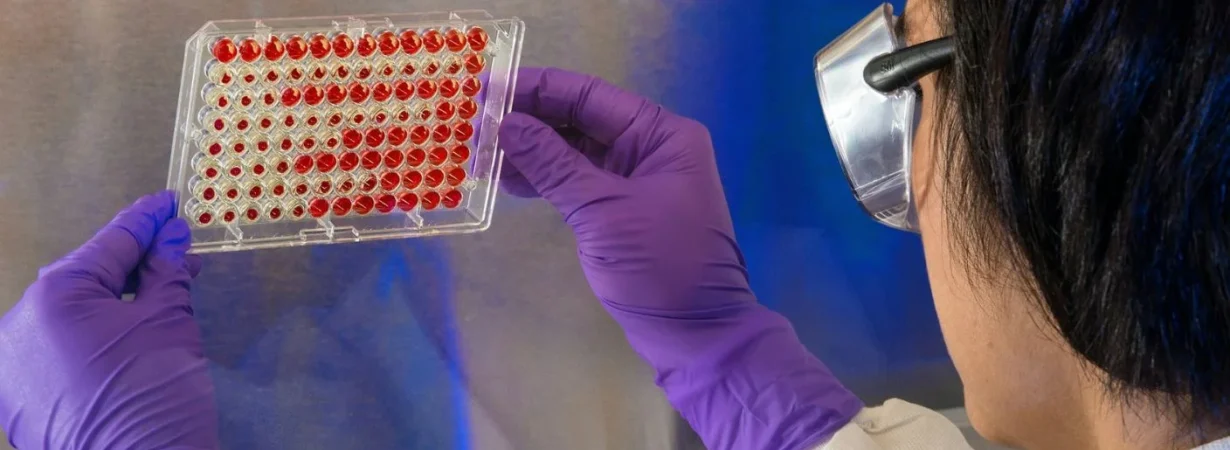
The emergence of a few scattered cases of Hantavirus Pulmonary Syndrome (HPS) creates a lot of headline news but can be very alarming. Hantavirus prevention tips, This week, however, large health groups are taking the initiative to clear up the confusion. Hantavirus is not an airborne virus that spreads easily between people – as many of the viruses we have encountered in recent years. Rather, it is a rare, but serious environment-related condition.
If, like us, you have been following the news, you will know that the message from the experts is awareness is needed, but panic is not. Once you know how the virus works and how it relates to human environments, you can make your home a safe haven.
Decoding the Latest Orthohantavirus Health Advisory
Recent bulletins from the Centers for Disease Control and Prevention (CDC) remind readers that the virus is serious, but infection of people is rare statistically. This quarter’s orthohantavirus health advisory focuses on the fact that transmission is typically through a process known as aerosolization. The virus can spread to the air through very small droplets when the droppings, urine or nesting material from rodents is disturbed.
The orthohantavirus health advisory primarily addresses dusty, enclosed areas such as sheds, attics or crawl spaces where the virus has been dormant for several months, but where it will not persist for long periods in the presence of air or sunlight. Being aware of this is the first step to appreciating that little to no risk is involved in everyday outdoor activities. The emphasis needs to be on targeted environmental hygiene and not on general social restrictions, according to the National Institutes of Health (NIH).
Global Standards for Viral Zoonotic Prevention
Hantavirus is a zoonotic disease, meaning that it can be transmitted from an animal to a person. The key to viral zoonotic prevention is to recognize who the main reservoirs are. The deer mouse is the most widespread cause in North America, and elsewhere, other rice rats or cotton rats might be involved.
The World Health Organization (WHO) mentions “source control” as a key component of viral zoonotic prevention. This involves maintaining as close a linkage as possible between wild rodents and human habitation. The virus does not enter your home if rodents cannot access it, and the risk of this happening is near to zero if they cannot get into your wall or pantry. The first steps to any viral zoonotic prevention program are proper waste management and removal of piles of wood near your home’s foundation.
More Stories You Shouldn’t Miss
Explore why Pilgrim City trending tonight?
Discover why Saudi’s Pilgrim City is the most searched travel hub with key details on location, services, and pricing.
Check how Makkah digital platform works?
Explore how the new Makkah digital platform helps pilgrims plan, navigate, and access essential services
Discover why deportations rising in pilgrimage?
Check what’s behind the annual crackdown and why immediate deportations are now underway in the Holy City.
Explore Nusuk card discounts for pilgrims?
Discover what the Nusuk Card initiative means for Hajj and Umrah pilgrims and how it impacts travel costs in 2026.
Check new pilgrimage exclusion zones rules?
Explore how the new Holy City exclusion zones affect access and movement during the annual pilgrimage season.
Essential Methods for Rodentborne Disease Safety
Maintaining your family’s health doesn’t need to be complicated; it’s about some savvy habits. Rodentborne disease safety is a matter of paying attention to cleaning and maintaining property. Follow the “no panic” principle if you see evidence of mice: don’t pick up a broom or a vacuum immediately as this will stir up dust and spread the virus.
The most effective way to ensure that the environment is safe from rodentborne diseases is to take the following three proactive measures:
1. The “Wet Cleaning” Protocol
Avoid sweeping or vacuuming rodent’s droppings. Rather, disinfect with disinfectant or bleach and water for at least 5 minutes. This will keep any virus particles contained in the liquid, and not allow them to become airborne. This is a fundamental tenet of rodentborne disease safety.
2. Seal the Entry Points
The holes are the size of a nickel, which rodents can slip through. Look for openings around pipes, vents and doors. Steel wool and caulking will work well to prevent these avenues. The Environmental Protection Agency (EPA) has some great resources to help you manage pests without using toxic chemicals.
3. Ventilate Before You Work
When opening a new cabin, shed or basement that have not been open all winter, open all windows and doors for 30 minutes before cleaning. The virus is naturally affected by fresh air and UV light. This is an easy practice that does a great job of minimizing the amount of any possible pathogens.
FAQs
Q1: Can I catch Hantavirus from another person?
There is no evidence in North America for person-to-person transmission of the virus. A strain in South America, however (Andes virus), has had a few cases of human-to-human transmission, but that is very unusual and not a factor in the current localized updates in the U.S. and Europe.
Q2: What are the early symptoms I should look for?
The early signs and symptoms of the flu are very similar to the flu, such as fever, muscle pain (especially in the thighs, hips, and back), and tiredness. Mayo Clinic says anyone who becomes short of breath after exposure to rodents should get medical help right away if they are in a place where rodents are more plentiful.
Q3: Does my pet dog or cat carry the virus?
A: No. Cats and/or dogs can catch the virus from rodents, but are not the source of the virus to humans, nor do they contract the virus themselves and become ill. The risk is only associated with the droppings of the rodents.
Q4: Is there a vaccine for Hantavirus?
At this time there is no vaccine generally available in the U.S. or Europe for Hantavirus. That’s why it is essential that we have the most powerful tools to prevent viral zoonoses: prevention and home maintenance.