
20,000 SAR Fine and 10-Year Ban: Saudi Arabia’s Final Warning for Unauthorized Makkah Entry Starts This Afternoon
-
Dhivyanshu
- . May 12, 2026
- . Update: May 23, 2026 1:39 pm
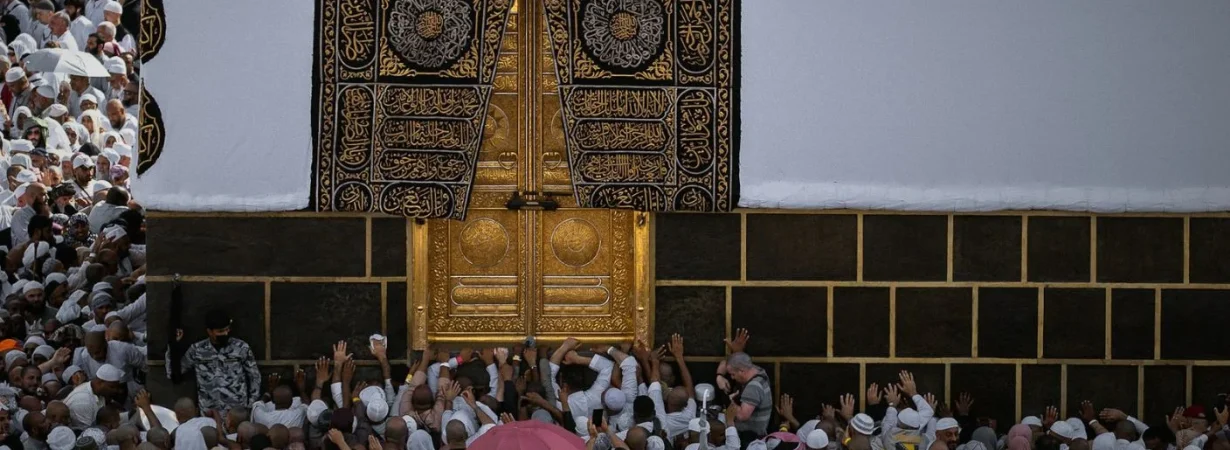
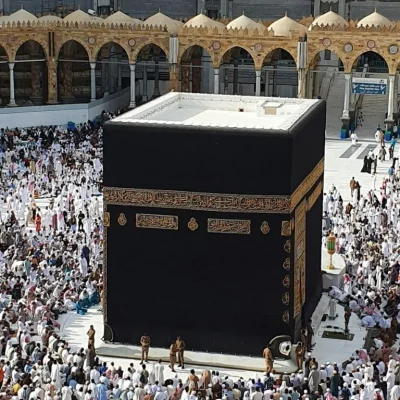
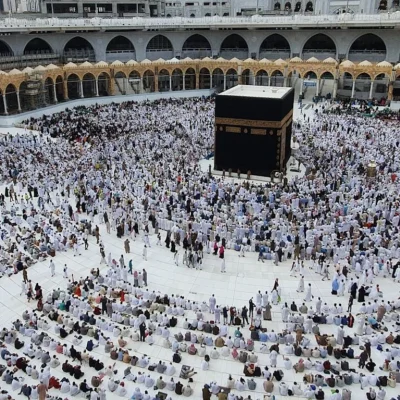
The Saudi Ministry of Interior and Public Security have officially moved into the final phase of enforcement for the Hajj 1447H season. The security forces throughout the Kingdom will start enforcing their zero-tolerance policy against unauthorized access to the holy city and its protected areas as of this afternoon. The “No Hajj Without a Permit” campaign operates as a vital part of the national strategy which seeks to manage pilgrimage visitor flow while ensuring public safety and operational efficiency.
The temporary visitor and resident ban which requires all individuals to show proper identification has reached its highest enforcement level as of May 12 2026. The authorities have declared that all warning periods have ended and now they will enforce legal penalties against those who fail to follow the rules.
Implementing Strict Mandatory Hajj Clearance
The security operations for this year will start from the requirement that all Hajj attendees must obtain mandatory Hajj clearance. The system requires every person who enters the area to carry either a Nusuk card or an authorization permit that they obtained through official methods in order to control access and preserve social order. Security checkpoints use the mandatory Hajj clearance process as both a digital and physical verification system to confirm who is authorized to enter the central area.
The Saudi Press Agency (SPA) reports that the city has deployed thousands of officers to secure its seven main entry points. The forces use mobile scanners that allow them to perform real-time checks of mandatory Hajj clearance requirements for all passengers. Vehicle operators who transport people without proper identification documents will face vehicle impoundment and their drivers will experience strict legal consequences.
How AI Enhances Mandatory Hajj Clearance
The Ministry of Interior has implemented artificial intelligence technology at its main checkpoints to achieve efficient traffic management and secure operations. Smart cameras now cross-reference facial recognition data with the national mandatory Hajj clearance database. The system enables authorized pilgrims to experience seamless entry while it automatically detects individuals who try to manipulate the process.
Maintaining Holy Site Boundary Protocols
The security strategy requires continuous implementation of holy site boundary protocols. The boundaries of these zones extend to Mina, Muzdalifah, and Arafat which remain inaccessible to individuals who do not possess registration for the 1447H pilgrimage. The Public Security department has established a virtual and physical perimeter that is monitored 24/7.
The Kingdom uses holy site boundary protocols to secure all resources which include medical tents and the Mashaer Train for individuals who possess legal access. Al Arabiya English reports that the enforcement of holy site boundary protocols prevents unregulated attendance which has created logistical bottlenecks in previous events.
Surveillance and Perimeter Control for Holy Site Boundary Protocols
Drones together with high-altitude surveillance balloons currently operate to observe the difficult terrain and walking paths which lead into the valley. The security forces use these tools to monitor holy site boundaries because the equipment functions effectively in distant locations, which prevents any unauthorized access through unofficial entry points.
More Stories You Shouldn’t Miss
Explore why Pilgrim City trending tonight?
Discover why Saudi’s Pilgrim City is the most searched travel hub with key details on location, services, and pricing.
Check how Makkah digital platform works?
Explore how the new Makkah digital platform helps pilgrims plan, navigate, and access essential services
Discover why deportations rising in pilgrimage?
Check what’s behind the annual crackdown and why immediate deportations are now underway in the Holy City.
Explore Nusuk card discounts for pilgrims?
Discover what the Nusuk Card initiative means for Hajj and Umrah pilgrims and how it impacts travel costs in 2026.
Check new pilgrimage exclusion zones rules?
Explore how the new Holy City exclusion zones affect access and movement during the annual pilgrimage season.
Consequences for Violating Pilgrim Identity Verification
The most critical aspect for residents and visitors to understand is the rigor of the pilgrim identity verification process. A 20,000 SAR fine becomes mandatory for any individual who gets caught without a permit. The government has increased operational capacity by 100% during this time period to demonstrate its commitment to maintaining public order. Expatriates who break pilgrim identity verification regulations will face deportation and a 10-year entry prohibition from their home country.
The official Nusuk Platform requires you to download the digital Nusuk card to verify your documentation correctness. The platform serves as the sole official system for verifying pilgrim identity. The Ministry of Hajj and Umrah has issued a warning which identifies social media platforms that promote “Hajj scams” because they falsely guarantee access without permits. Arab News and Gulf News present comprehensive analysis about the penalties which current legal cases show against violators.
FAQs
Q1: Can I enter Makkah with a visit visa or Umrah visa right now?
The city of Makkah and its holy sites become off-limits for visitors who arrive with Umrah visas and visit visas starting from this afternoon. The checkpoint allows entry only to people who carry both a Hajj visa and a Nusuk card.
Q2: What is the penalty for a Saudi citizen who enters without a permit?
The first offense by Saudi citizens will result in a 20,000 SAR fine. Repeat offenders will face doubled fines and potential imprisonment.
Q3: Does the 10-year ban apply to all nationalities?
The 10-year re-entry ban applies to all expatriate residents who are deported for violating mandatory Hajj clearance rules, regardless of their nationality.
Q4: Is the pilgrim identity verification check only at the main roads?
The road system to Makkah together with railway stations and city neighborhoods, requires pilgrim identity verification through all access points to Makkah.